The self-serving psychological mechanisms that contribute to global social dilemmas
A) are very recent developments in our psychological make-up.
B) have come about as a result of the global economy.
C) were originally adaptive for life in small groups.
D) are only present among individuals in capitalistic countries.
Question 2
A social dilemma is a situation in which an individual can profit from selfishness unless
A) everyone chooses the selfish option, in which case everyone loses.
B) some people choose the selfless option, in which case everyone loses.
C) everyone chooses the selfless option, and then only some people profit.
D) almost everyone chooses the selfish option and then everyone profits.


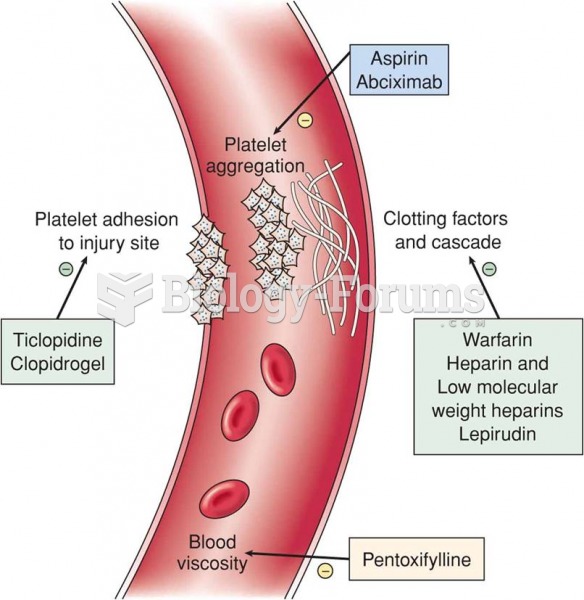 Mechanisms of action of anticoagulants
 Adolescents are preoccupied with finding their place in the social group as well as society.
 Democracy (or “democratization”) is a global social movement. People all over the world yearn ...
 Enduring Social Issues
 Demographic change and the effect on people social, and economic life
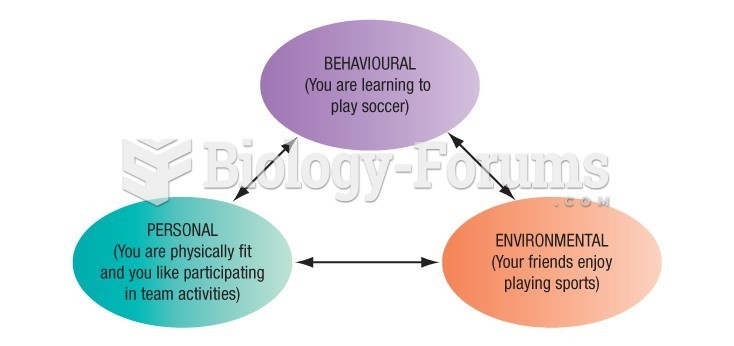 Bandura's social-cognitive model of human behaviour