Federal and state estate taxes are best described as
a. taxes on property left at death
b. taxes on beneficiaries
c. taxes on the transfer of property from a decedent to his or her beneficiaries
d. taxes on gifts
e. taxes on a person who dies
Question 2
An arrangement through which one transfers property to a third party with instructions for its distribution after death while retaining control over the property during his or her life is called a
a. will
b. gift
c. trust
d. joint tenancy with right of survivorship
e. codicil


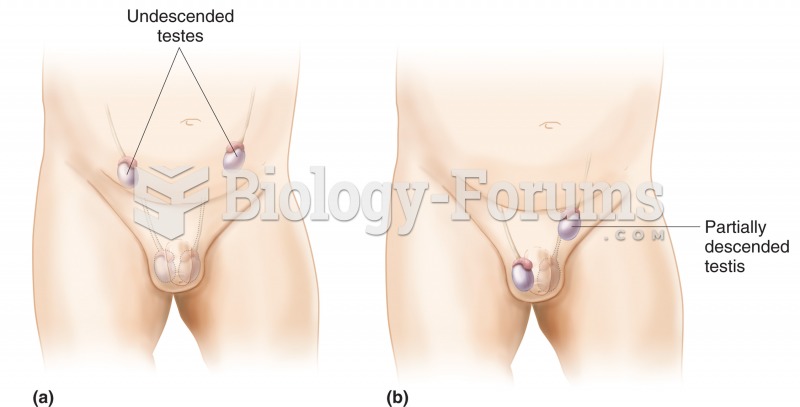 Cryptorchidism. (a) In complete cryptorchidism, the testes of a newborn have failed to descend into
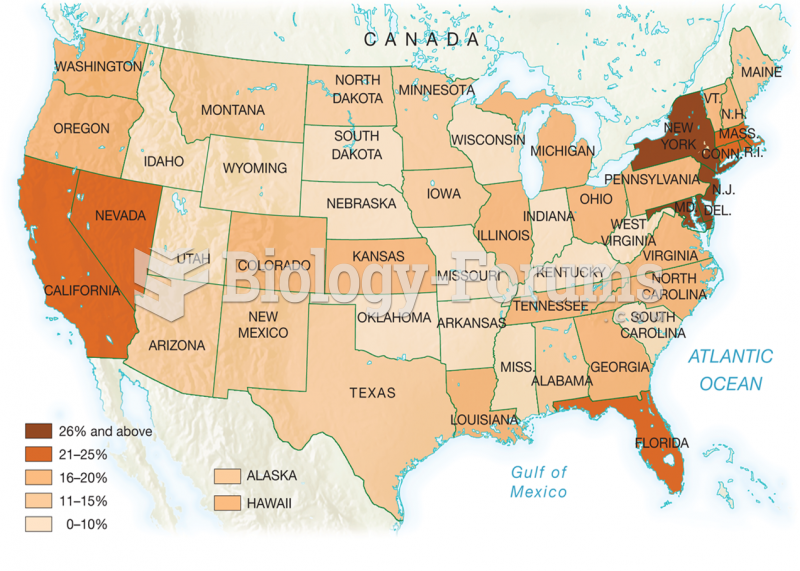 Abortion Rates by State, 2008
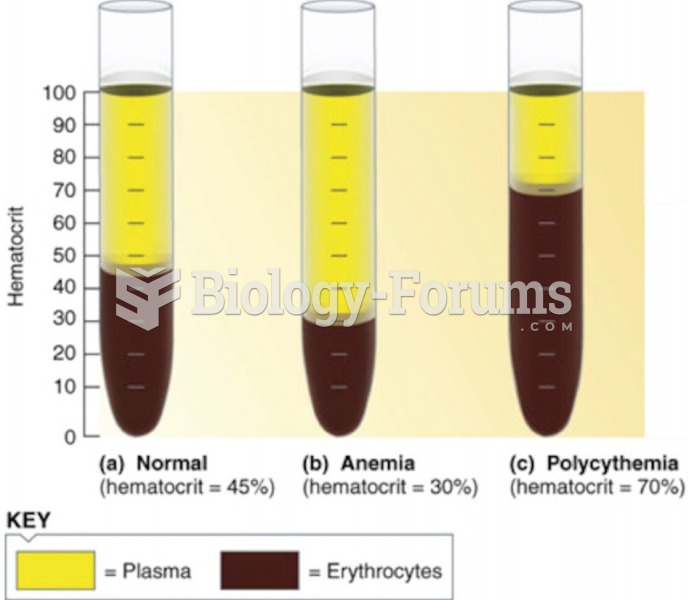 Hematocrits, left to right: normal, anemia, polycythemia.
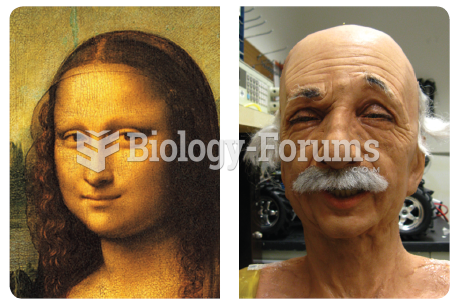 The asymmetry of facial expressions. Notice that the expressions are more obvious on the left side ...
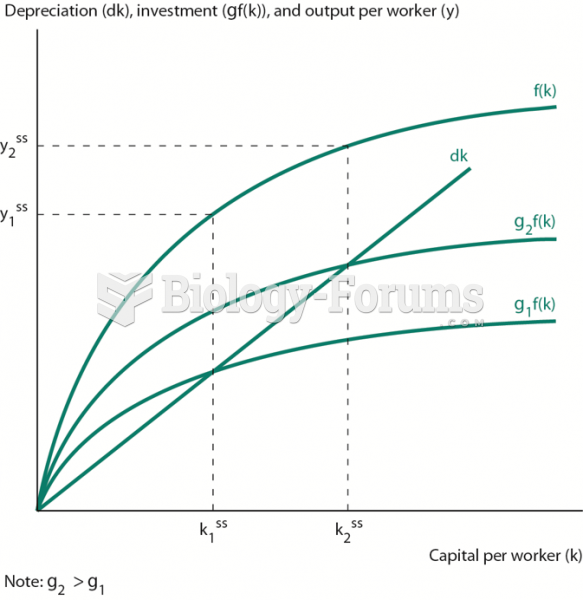 Effect of Increasing the Investment Rate on the Steady State
 The obese (ob) mouse mutant, shown on the left (a normal mouse is on the right), has provided many c