If we consider the simple random sampling process as an experiment, the sample mean is _____.
a. always zero
b. always smaller than the population mean
c. a random variable
d. exactly equal to the population mean
Question 2
Fifty-five percent of the applications received for a credit card are accepted. Among the next 12 applications,
a. what is the probability that all will be rejected?
b. what is the probability that all will be accepted?
c. what is the probability that exactly 4 will be accepted?
d. what is the probability that fewer than 3 will be accepted?
e. Determine the expected number and the variance of the accepted applications.


 Aerial and close-up views of a large biodiversity experiment in Cedar Creek, Minnesota. Each of the
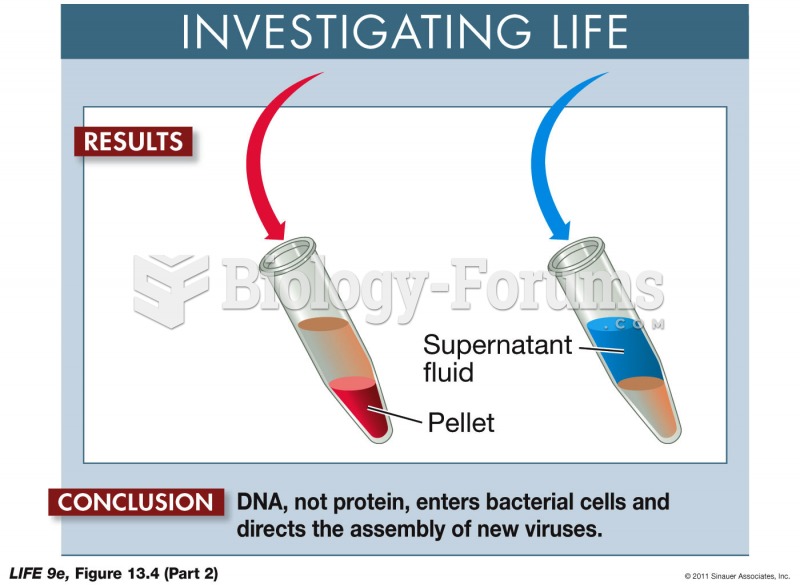 The Hershey-Chase Experiment p2
 Random
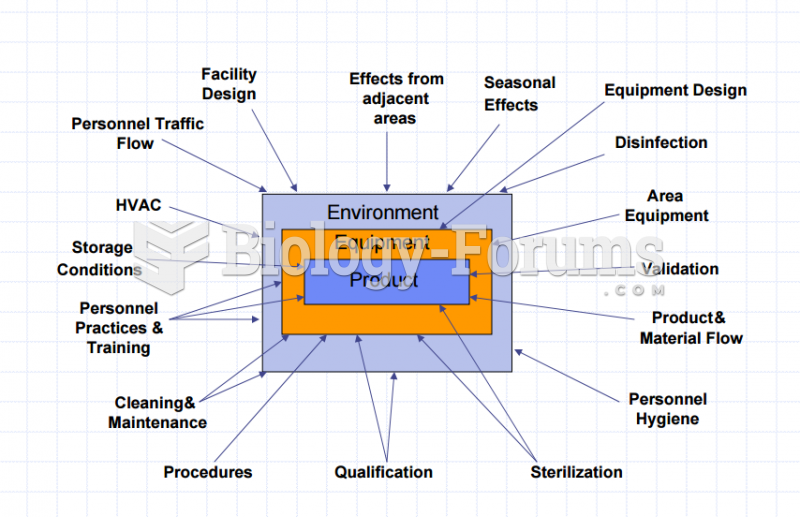 Product & Process Influences - Sterile Products
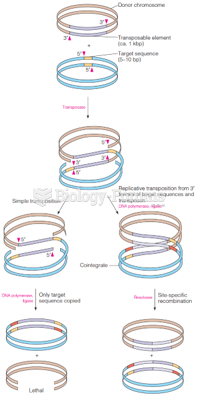 Models of simple transposition and replicative 3′ transposition
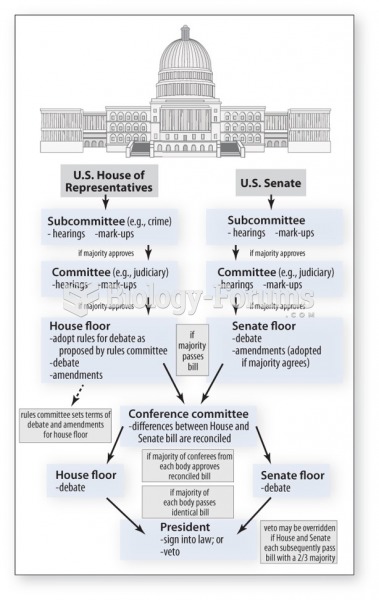 The political process is fraught with opportunities for opponents of climate legislation