A nursing home facility hosts a weekly cocktail hour. You are a social worker on staff. At the last few parties, you notice a 69 year old woman who appears to be inebriated but has only one or two drinks.
In a short discussion with her, she says she enjoys parties and social
drinking among friends. What does the situation suggest?
A. She must be drinking before the cocktail hour starts.
B. She probably has been prescribed new or different medication
that interacts with the alcohol.
C. She is probably depressed, drinking more on her own time, and
building a tolerance to alcohol.
D. You need to perform a detailed assessment to determine the
cause of the inebriation.
Question 2
You are assessing a 60-year-old man who has been a habitual marijuana smoker since he was a teenager.
He indicates during an
assessment that for several years, he has been drinking alcohol about
once a month, usually more than seven drinks. How would you best
describe his substance use?
A. He uses marijuana and abuses alcohol.
B. He abuses marijuana and misuses alcohol.
C. Due to his age and marijuana abuse, he could be incorrect in self
reporting, but he probably has an AUD.
D. Due to his age and marijuana use, he could be incorrect in self
reporting. He might be at a higher risk for a Type II AUD than is
obvious.


 Head rubbing and licking are common social behaviours within a pride
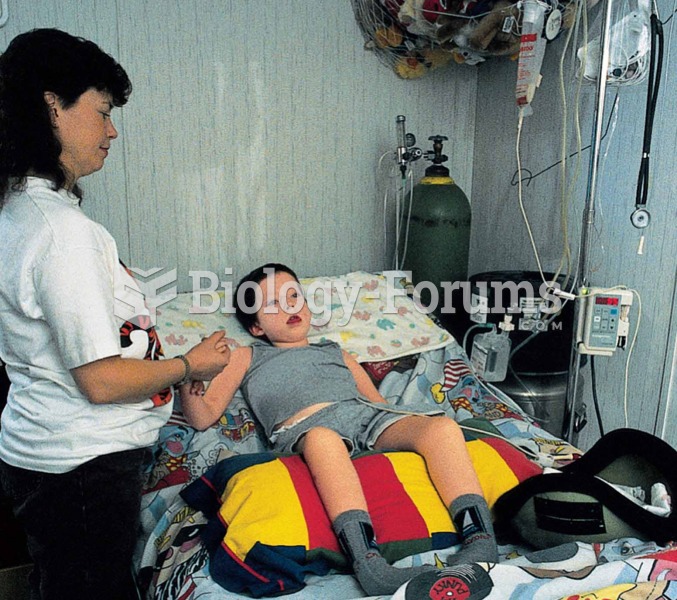 This young boy with muscular dystrophy needs to receive tube feedings and home nursing care. He atte
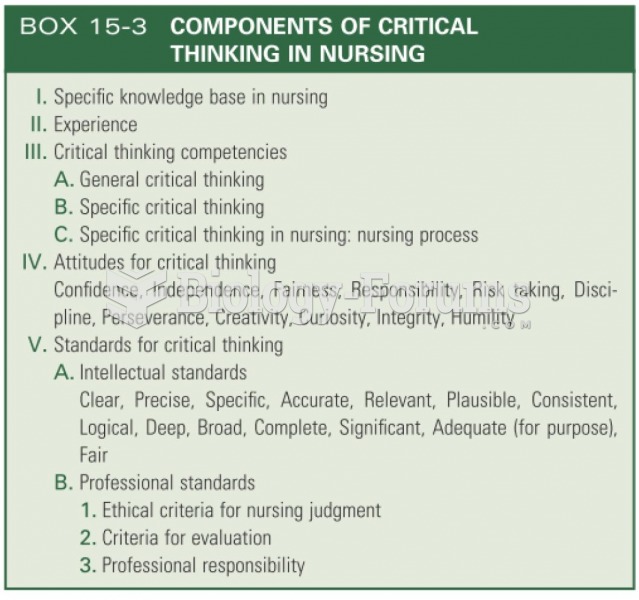 Components of critical thinking in nursing
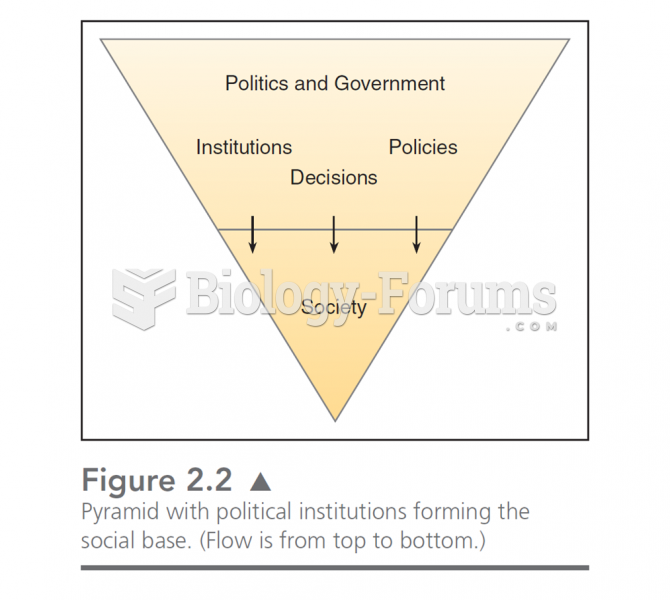 This chart illustrates the “drip down” model of government. In this, politics is formed by the soc
 Fundamental Concepts and Skills for Nursing
 Habitat and home