Answer to Question 1
A
Explanation: A) Correct.
B) Dermabrasion removes hardened skin and scars.
C) Cryosurgery uses extreme cold to destroy tissue.
D) Rhytidoplasty is removal of wrinkles.
Answer to Question 2
D
Explanation: A) Eczema is an acute or chronic inflammatory skin disorder that may involve scales among many other signs such as pustules, crusts, or scabs.
B) Contact dermatitis is an inflammation of the skin brought on by contact with irritants.
C) Impetigo is a skin infection marked by vesicles or bullae.
D) Correct. Thick scales are a sign of psoriasis.


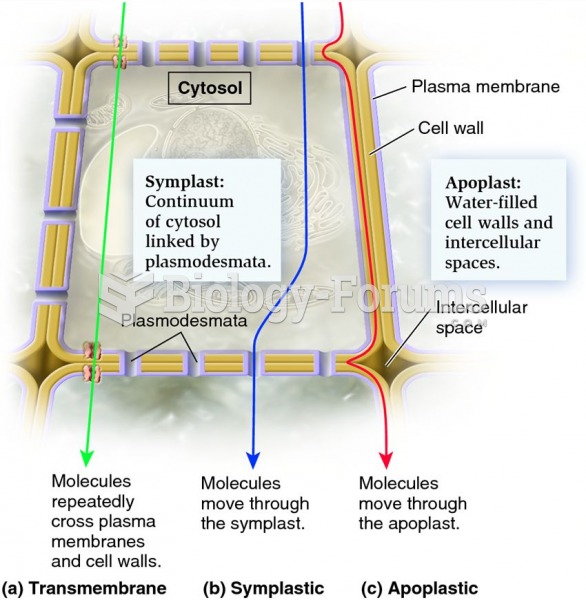 Three routes of tissue-level transport in plants: transmembrane, symplastic, and apoplastic.
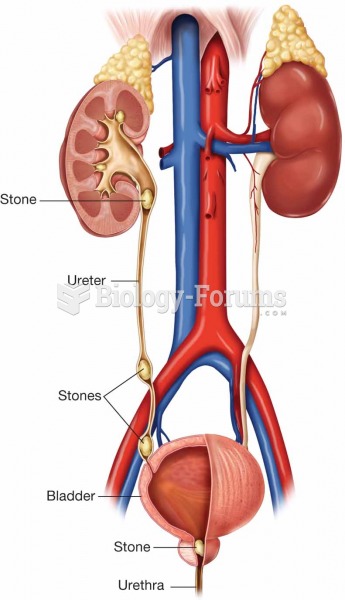 Renal calculi (stones) can form in several areas within the urinary tract. When they form in the kid
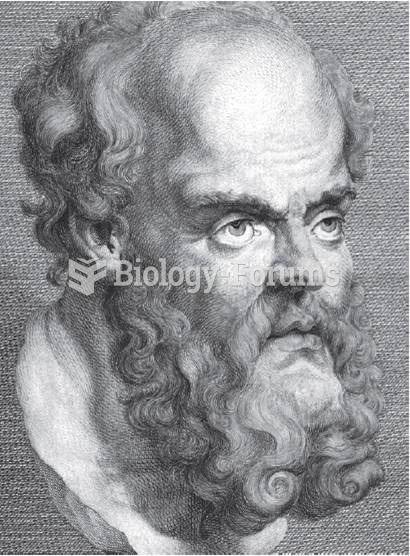 Socrates (470–399 B.C.E.) was an Ancient Greek philosopher often called the "father of ...
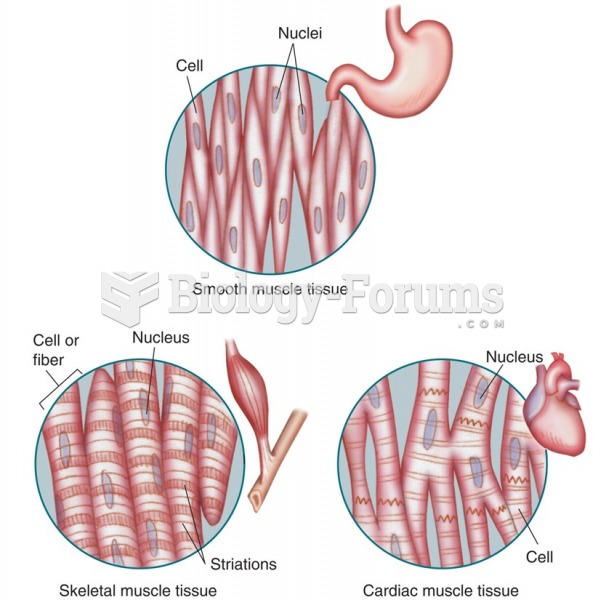 Types of muscle tissue.
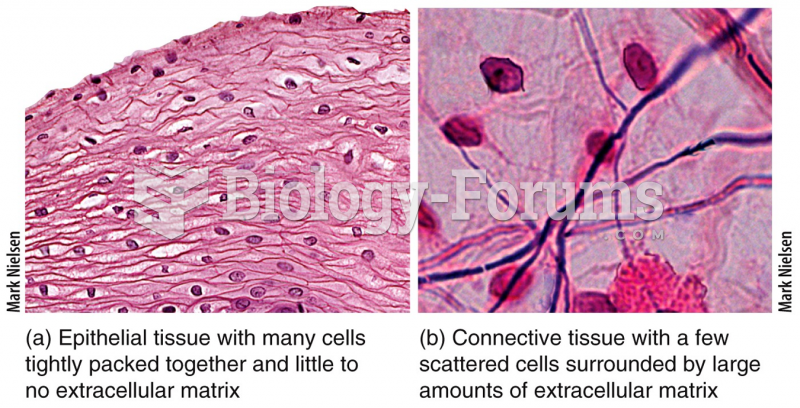 Epithelial vs. Connective Tissue
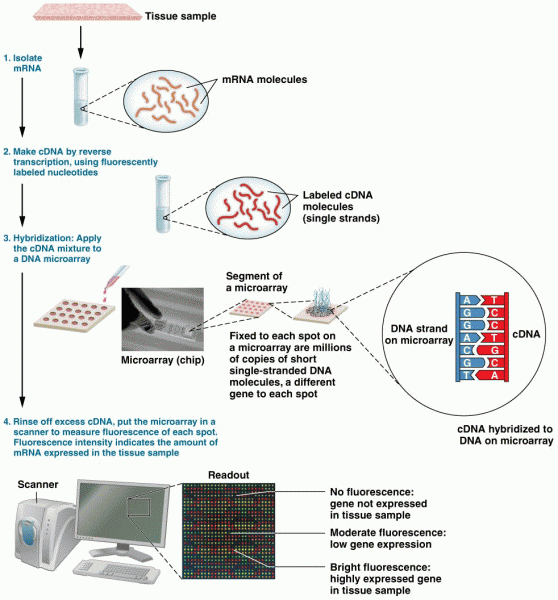 Microarray analysis for analyzing gene-expression patterns in a tissue