
This topic contains a solution. Click here to go to the answer
|
|
|

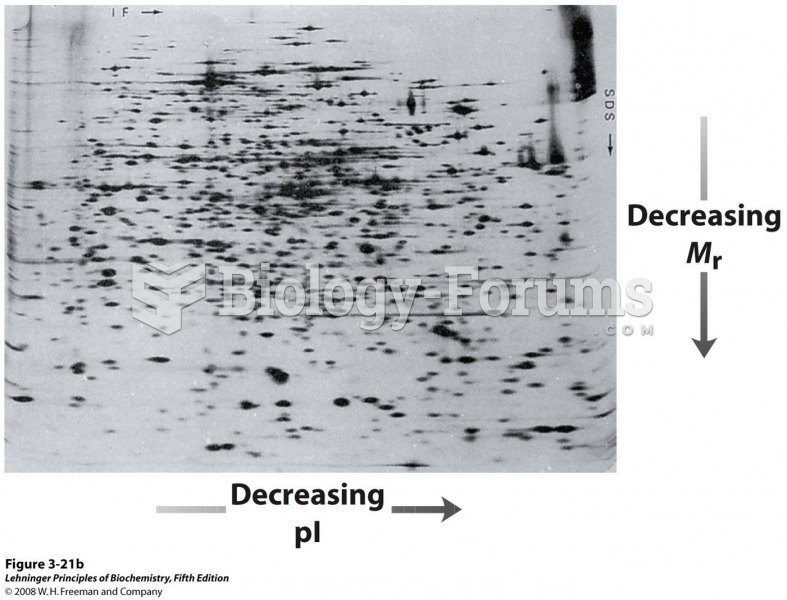 More than 1,000 different proteins from E. coli can be resolved using this technique
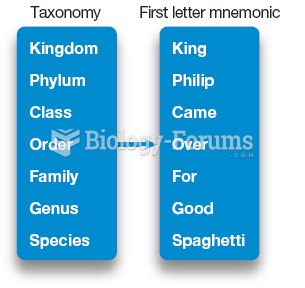 The First Letter Technique
 Turning over technique: Use tenting to assist the recipient turning to supine position. Anchor the ...
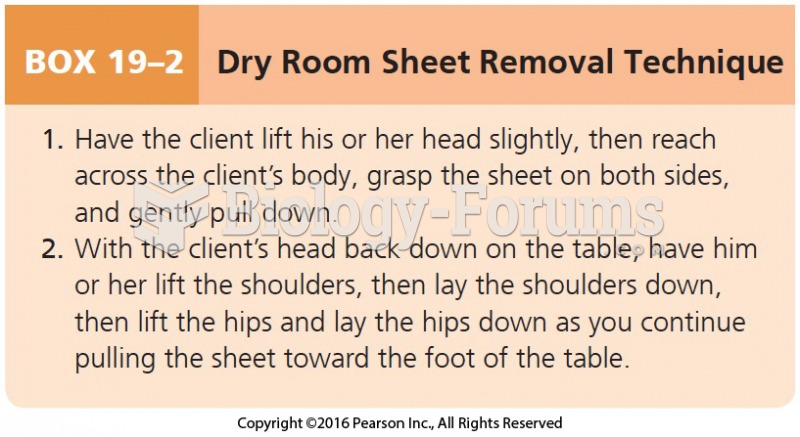 Dry Room Sheet Removal Technique
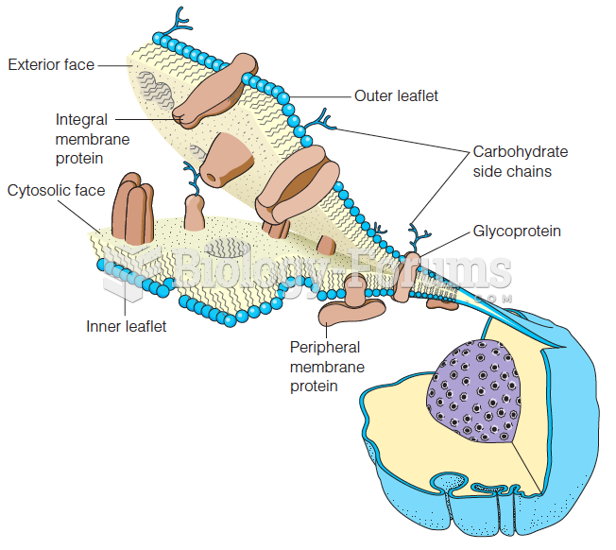 Freeze fracture technique
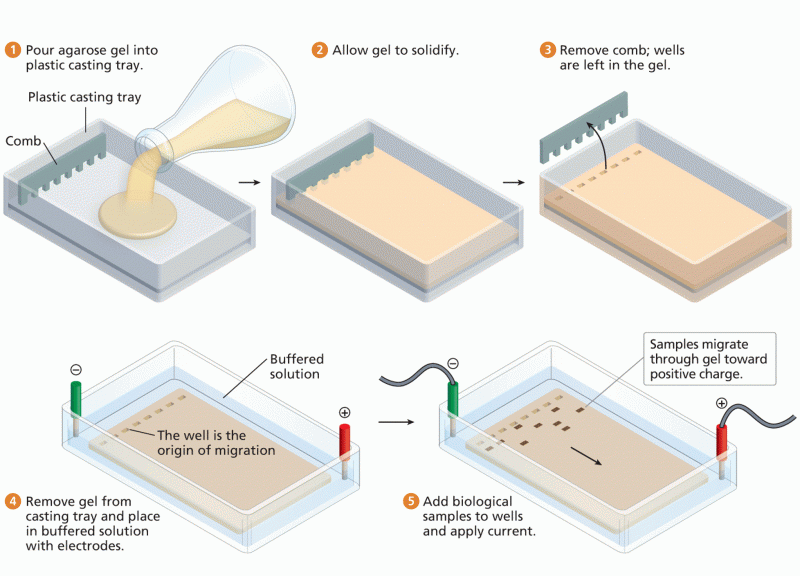 Gel electrophoresis, an essential laboratory technique in biological science research