The City Council of Happy Village is thinking about imposing rent controls. If they put rent controls in place, which constituency are they trying to please?
A) landlords
B) all taxpayers
C) existing tenants
D) all voters
Question 2
Portfolio investment means the
A) purchase of less than 20 percent of the shares of ownership in a company in another country.
B) purchase of less than 50 percent of the shares of ownership in a company in another country.
C) purchase of less than 80 percent of the shares of ownership in a company in another country.
D) purchase of less than 10 percent of the shares of ownership in a company in another country.


 Aftermath of the 2005 Texas City Refinery Explosion
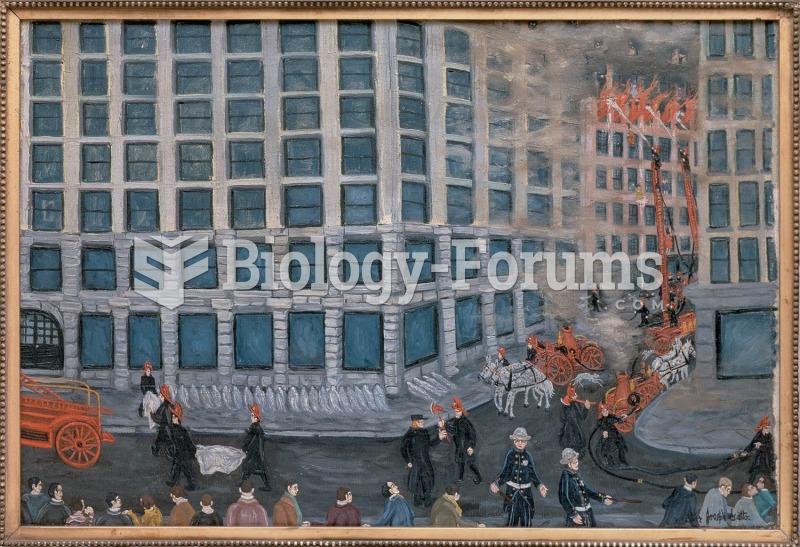 On March 25, 1911, as scores of young factory girls leaped to their deaths from the eighth, ninth, a
 David Claerbout, Sections of a Happy Moment.
 Working and Living and Playing in the City Dump of Phnom Penh, Cambodia
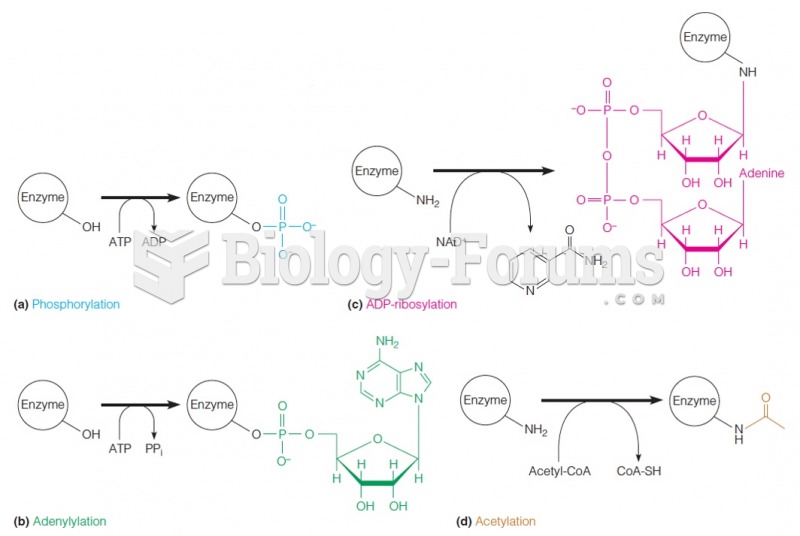 Four types of covalent modifications that controls that activities of enzymes
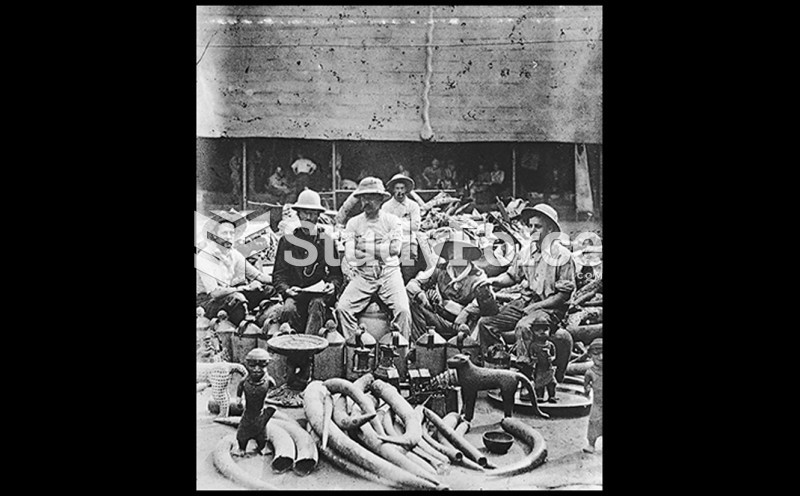 Members of the British Punitive Expedition to Benin City