Answer to Question 1
The point where MC = MR maximizes any firm's profit for the same reason it maximizes a perfectly competitive firm's profit. In particular, for small amounts of output it is the case that the MR exceeds the MC. Any unit for which MR > MC is a profitable unit to produce and so the firm wants to produce all of these units. As it increases its output, its total profit increases even as the difference between MR and MC shrinks. But as long as MR > MC, the unit is profitable and therefore is produced. Eventually the firm gets to the point where MR = MC. The firm does not want to go beyond this level of output, because for every unit beyond it MC>MR. Producing these units would cost the firm profit. So, once it starts producing, the firm won't stop producing additional units of output before it reaches the level for which MR = MC. Then, once it reaches this point, it won't go beyond this amount. Therefore the condition MR = MC determines the profit maximizing level of output.
Answer to Question 2
The maximum price will have no impact on the market. This is true because the price ceiling will only have an impact when the market equilibrium price is above it. Firms and consumers will otherwise not change their behavior.


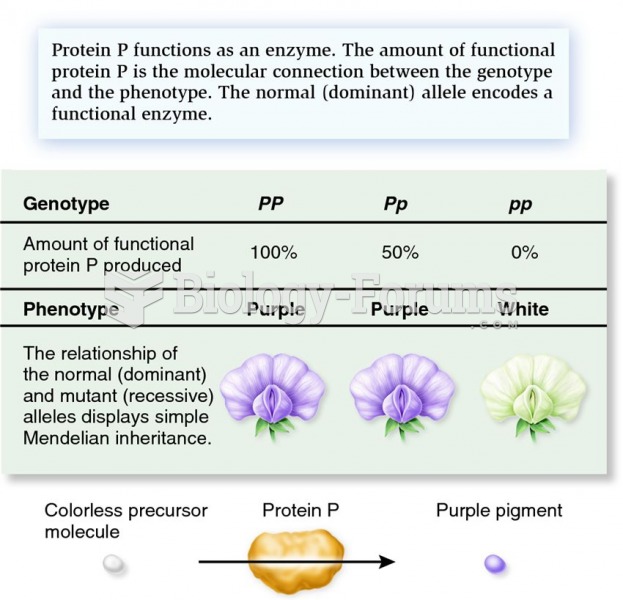 How genes produce proteins that determine traits in a simple dominant-recessive relationship.
 The Cardiac Landmarks. A = Aortic Area; P = Pulmonic Area; E = Erb’s Point; T = Tri
 Effect of changing a set point for hypothalamic values
 Label the cutbank and point bar on this image.
 Many countries do not produce enough food and need to import food from the United States
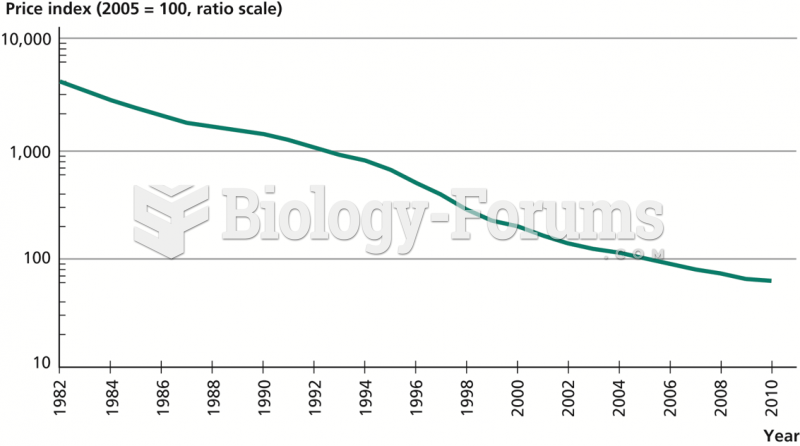 Price of Computers, 1982–2010