Group tasks are characterized by ________ when the activities of all work group members are fully dependent on one another so that each member's performance influences the performance of every other group member.
A) pooled task interdependence
B) sequential task interdependence
C) reciprocal task interdependence
D) cross-departmental task interdependence
Question 2
The potential for process losses is highest when tasks are ________.
A) reciprocally interdependent
B) sequentially interdependent
C) cross-departmentally interdependent
D) cross-functionally interdependent
Question 3
The MOST LIKELY source of process losses on tasks with pooled interdependence is that group members ________.
A) may inadvertently duplicate the efforts of other members by performing tasks that have already been completed
B) have to wait for others to finish their tasks before making a contribution
C) may not be motivated because individual contributions cannot be easily identified and rewarded
D) may overwhelm the manager because the group is too large to manage effectively


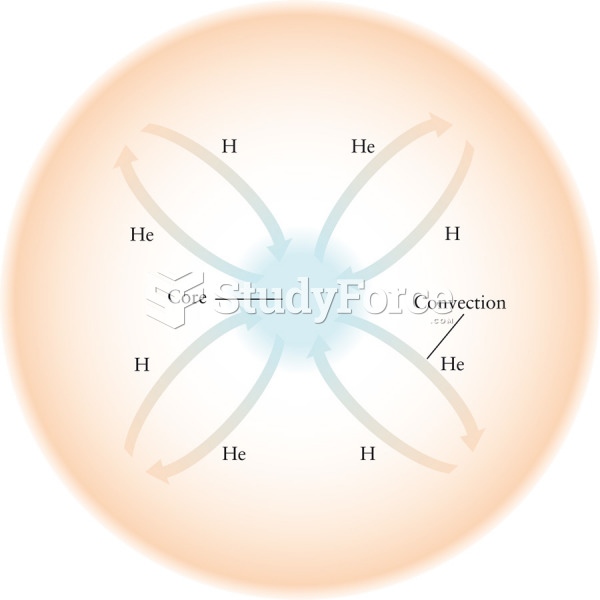 Fully Convective Star
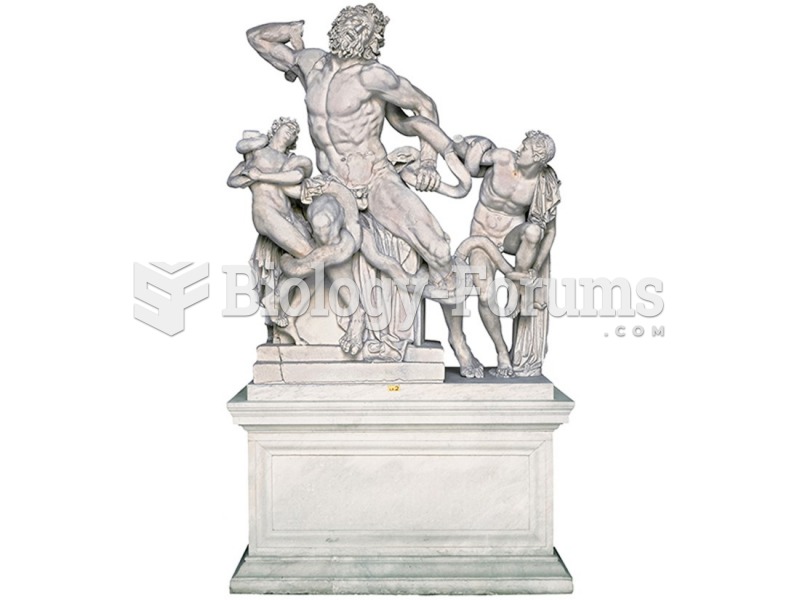 The Laocoön Group, Roman copy, perhaps after Agesander, Athenodorus, and Polydorus of Rhodes.
 Success, You Rock, Achievement, The way we work
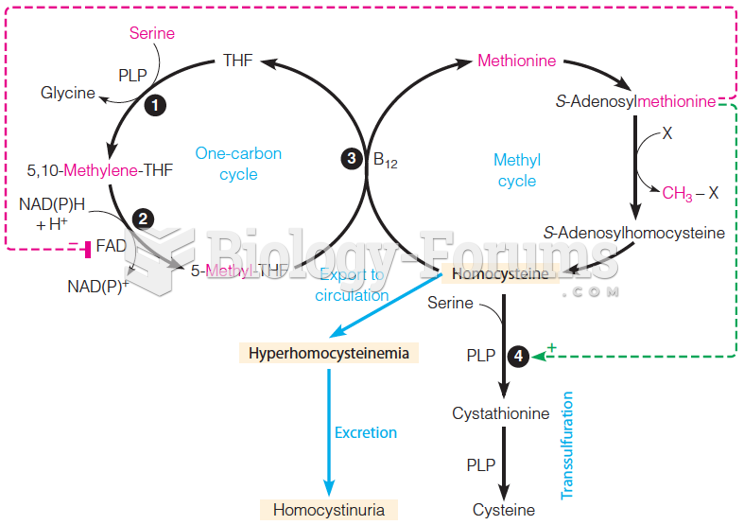 Methyl group metabolism and homocystinuria
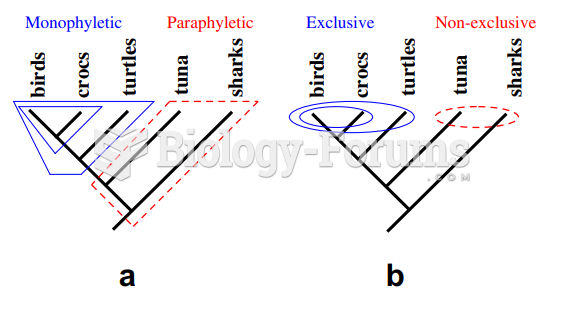 Monophyletic vs. paraphyletic group
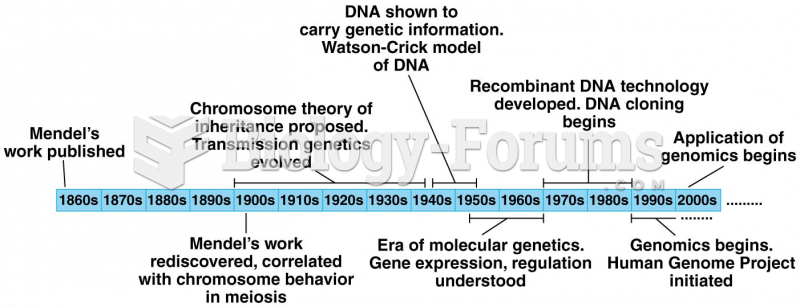 A timeline showing the development of genetics from Gregor Mendel’s work