
|
|
|

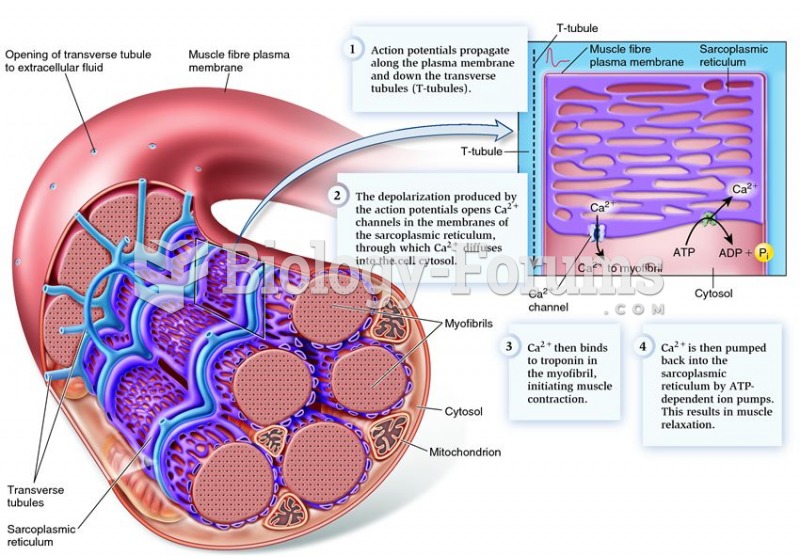 Arrangement of the sarcoplasmic reticulum, transverse tubules, and myofibrils in a single skeletal m
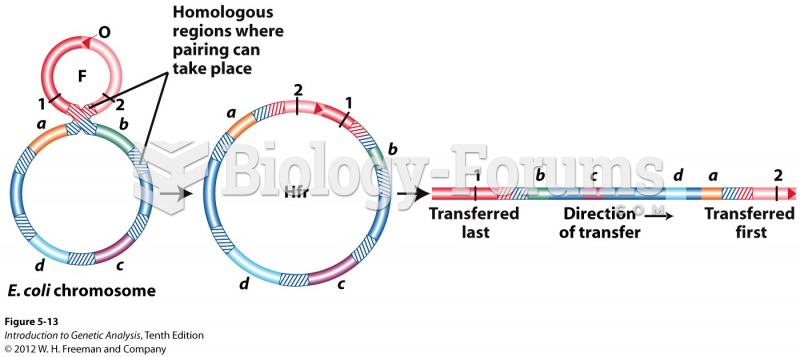 A single crossover inserts F at a specific locus, which then determines the order of gene transfer
 Everyday situations sometimes present opportunities for children to build information processing ...
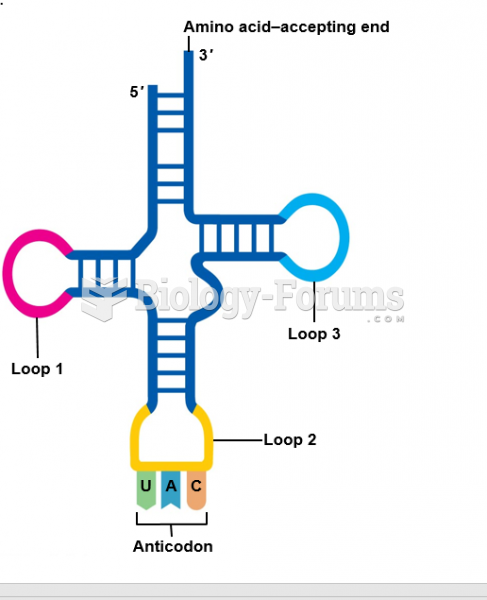 Transfer RNA.
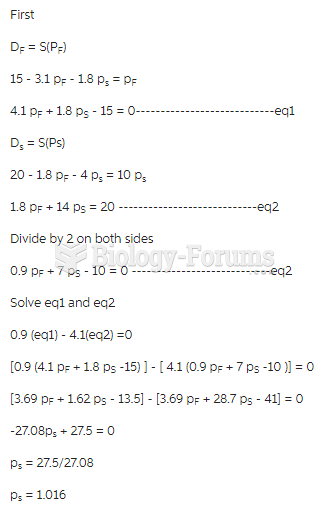 Competitive firms and maximization