
|
|
|

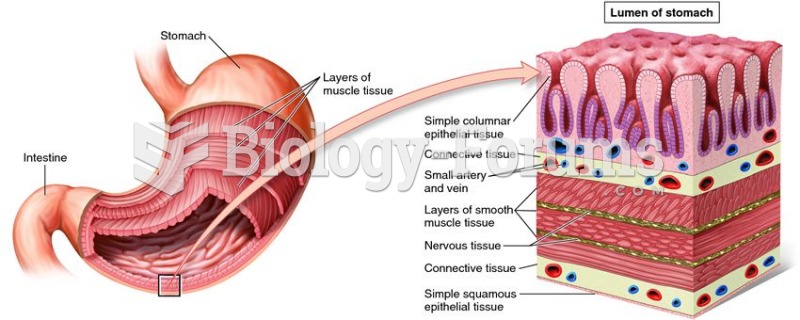 he vertebrate stomach as an example of an organ composed of all four tissue types
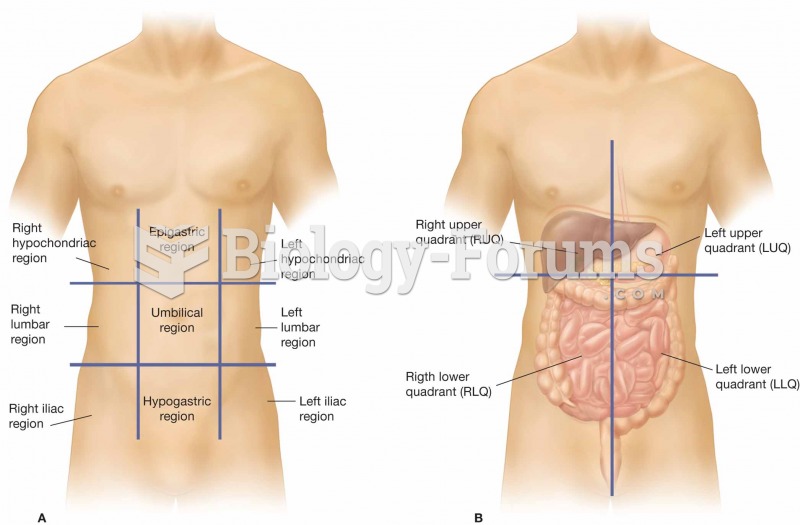 (A) The nine regions of the abdominopelvic cavity. (B) The four regions of the abdomen, which are re
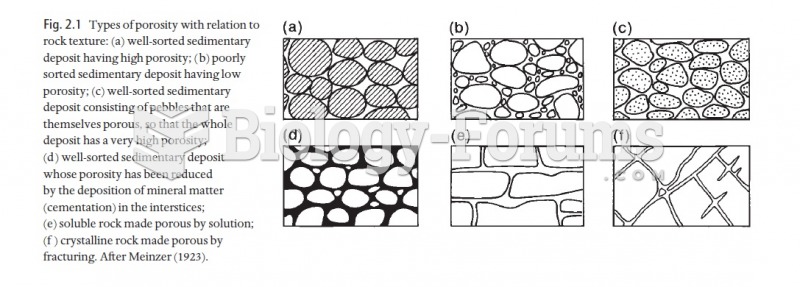 Types of Soil Porosity
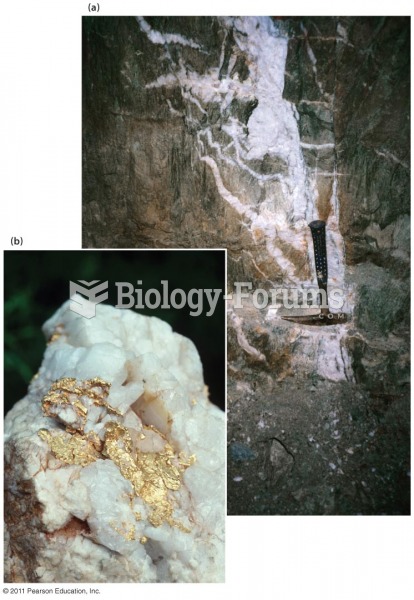 Types of Ore Deposits— Metamorphism
 Cloud Types: Low Clouds
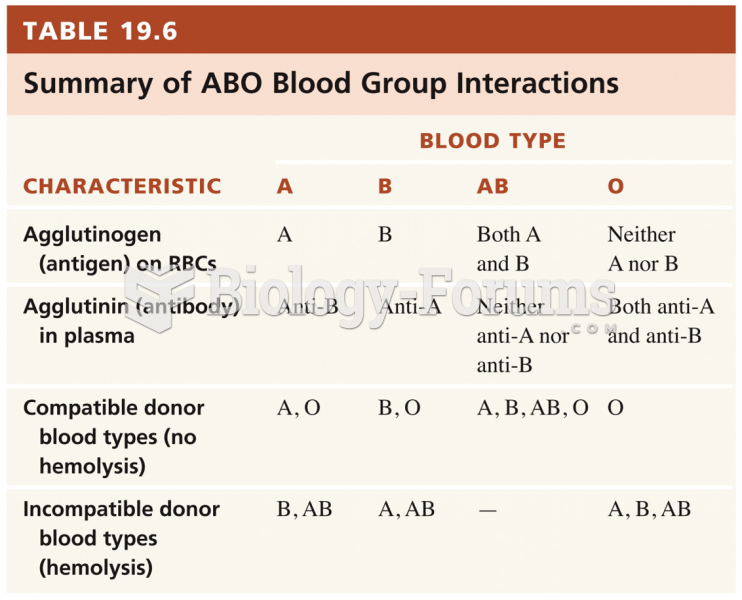 Blood Groups and Blood Types