
This topic contains a solution. Click here to go to the answer
|
|
|

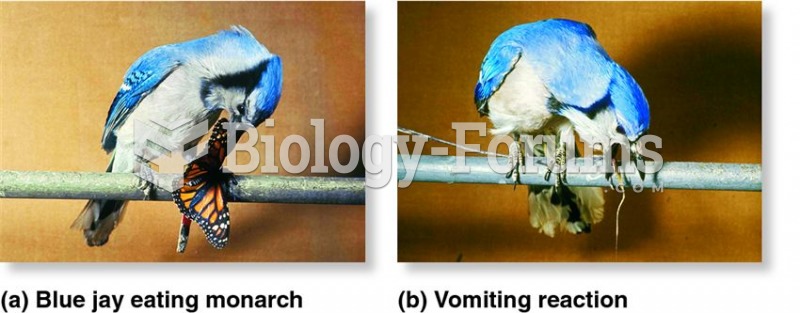 Operant conditioning, also known as trial-and-error learning.
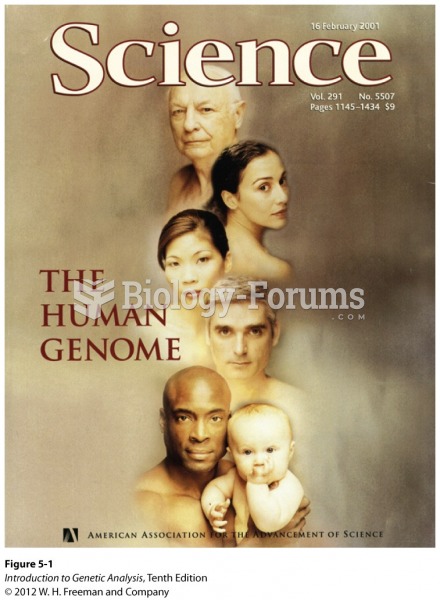 The fruits of DNA technology, made possible by bacterial genetics
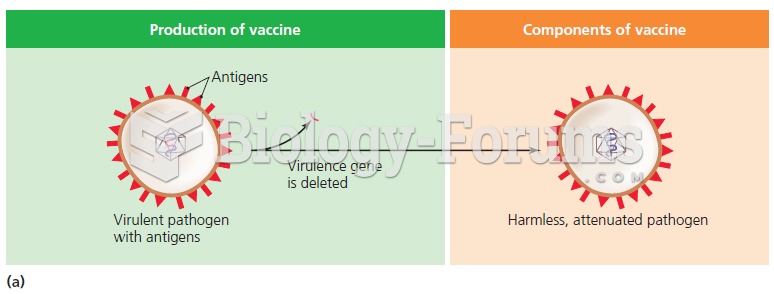 Some uses of recombinant DNA technology for making improved vaccines
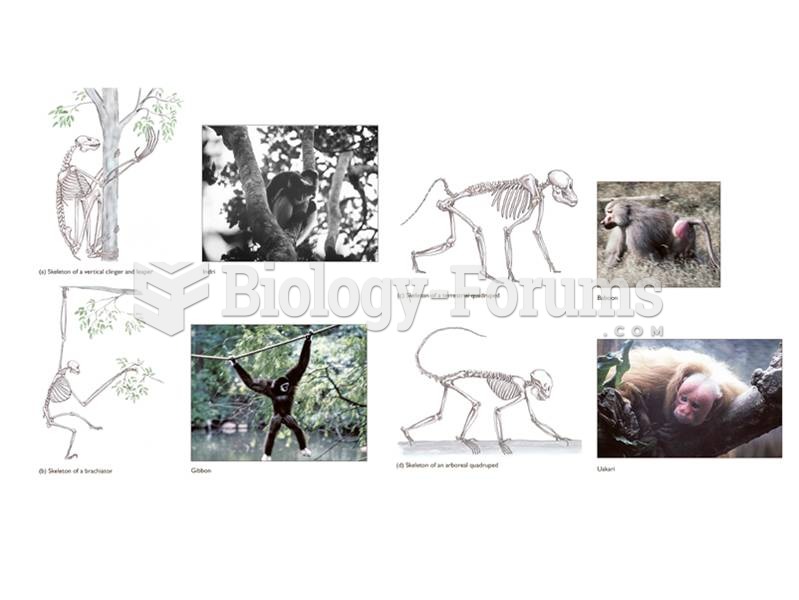 The Primate order displays a diversity of ways of moving around.
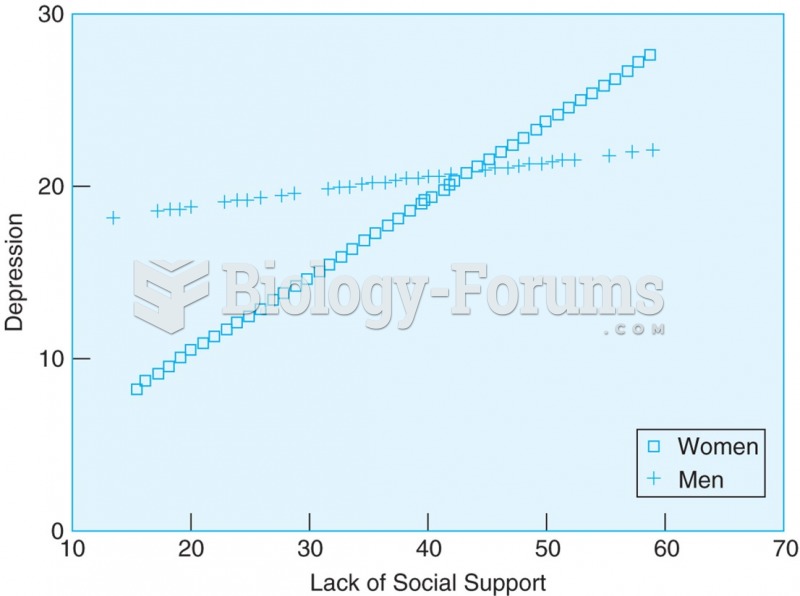 For Gulf War veterans, lack of social support in the field is related to postwar depression. The ...
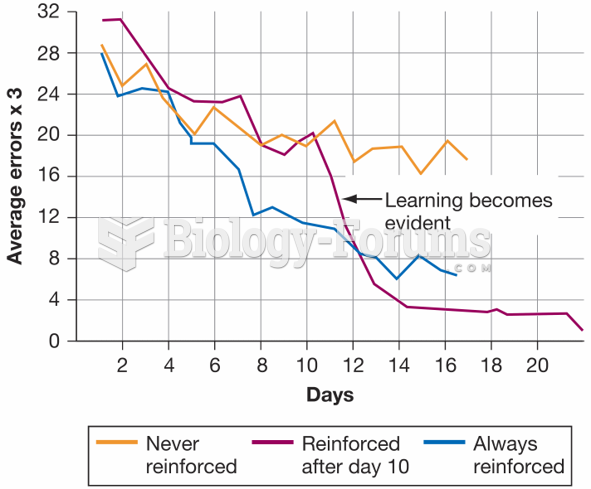 Latent Learning