Answer to Question 1
Ans: C
In the stage before young adulthoodadolescenc ethe young adult would have successfully developed identity, achieving the outcome of devotion and fidelity. A young adult is experiencing a current developmental conflict of intimacy versus isolation, with the ultimate long-term outcome of achieving affiliation and love. Drive and hope are the long-term outcomes of infancy. Direction and purpose are the long-term outcomes of the preschool stage. Production and care are the long-term outcomes of adulthood, which the young adult has yet to reach.
Answer to Question 2
Ans: B
The video is depicting free association, as described by Freud, in which a person verbalizes spontaneous, uncensored words of whatever comes to mind. Dream work refers to the interpretation of dreams as part of psychoanalysis. Gestalt therapy involves individual and group exercises to bring unmet needs into awareness. Classical conditioning refers to behavior that occurs in response to a stimulus.


 Unique markings identify individual humpback whales.
 Sub-Adult Caribbean Reef Shark (Carcharhinus Perezi)
 Scientists have demonstrated functional hair regeneration from adult stem cells
 These young children are taking the initiative to explore their environment as they examine a snail
 Home Health Nurse.
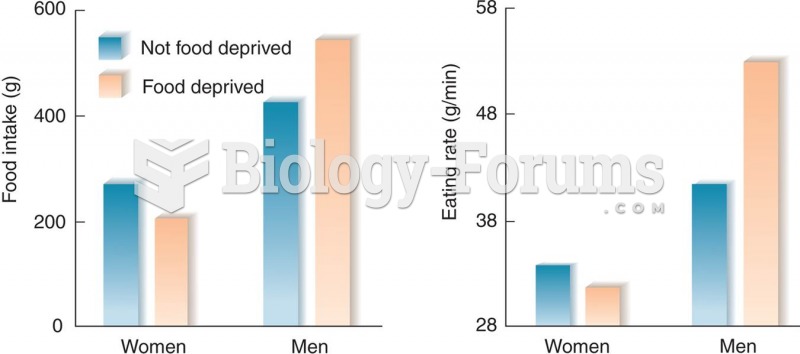 Reactions of Young Men and Women on Fasting