When a researcher asks the question, Was the subject dropout rate during the course of the study equal over the various conditions or more pronounced in certain treatment groups?, she is concerned with which one of the following potential confounds
a. regression
b. random error
c. mortality
d. events outside the laboratory (history)
Question 2
If people who drop out of study are systematically different from those who stay, we have which threat to validity?
a. selection
b. mortality
c. regression to the mean
d. maturation


 Question
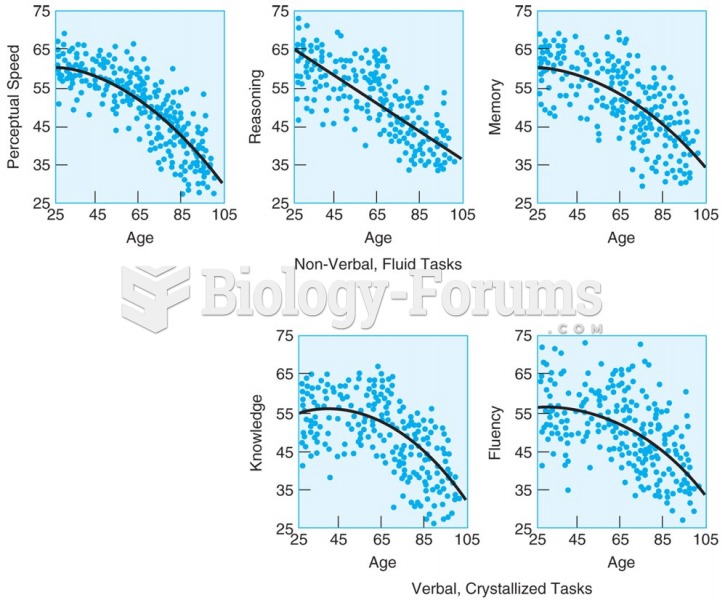 Adults in the Berlin Study of Aging show earlier declines on tests of nonverbal, fluid tasks (upper ...
 How to solve a half life problem involving exponential models (Question 2)
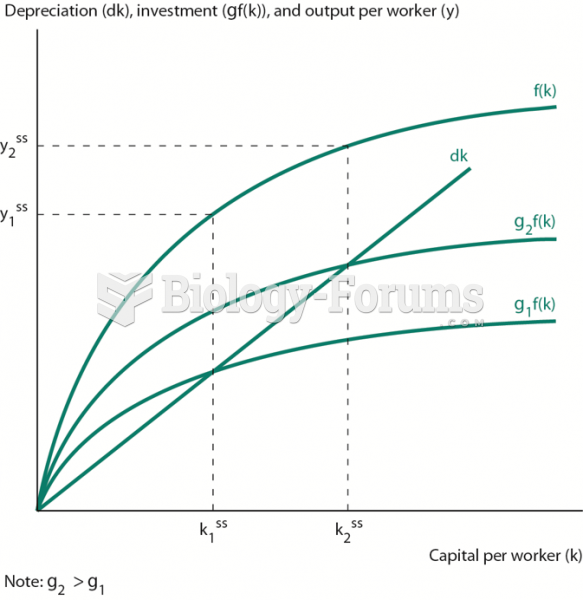 Effect of Increasing the Investment Rate on the Steady State
 Question
 economic question