A probability function is a rule that assigns probabilities to the values of the random variable of interest.
Indicate whether the statement is true or false
Question 2
Which of the following statements is true?
a. In constructing a pie chart for a categorical variable, one sector of the pie is assigned to each category of the variable.
b. A bar chart for a categorical variable shows the same distribution of measurements in categories as the pie chart, but with the height of each bar measuring how often a particular category was observed.
c. The categories for a qualitative variable should be chosen so that a measurement will belong to one and only one category, and each measurement has a category to which it can be assigned.
d. In constructing a pie chart for a categorical variable, one sector of the pie is assigned to each category of the variable and a bar chart for a categorical variable shows the same distribution of measurements in categories as the pie chart, but with the height of each bar measuring how often a particular category was observed.
e. All of these.


 Lab Values
 How to plot a sine function containing an amplitude and phase-shift (Question 2 of 3)
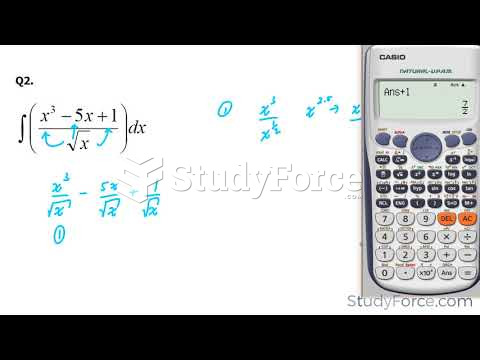 How to find the indefinite integral of a function
 How to vertically shift a sinusoidal function (y=a*sinb(x−c)+d)
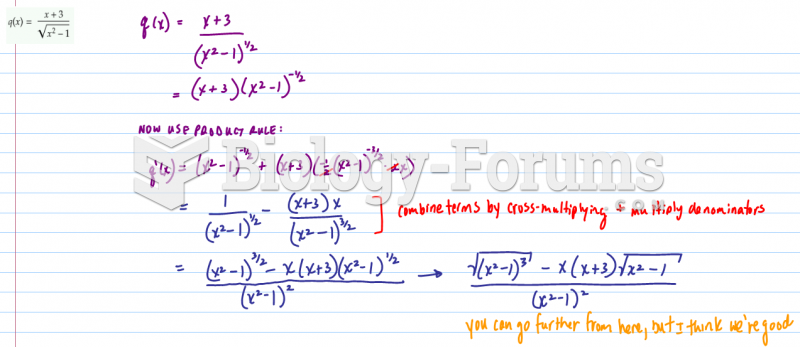 Find the derivative by using the quotient rule.
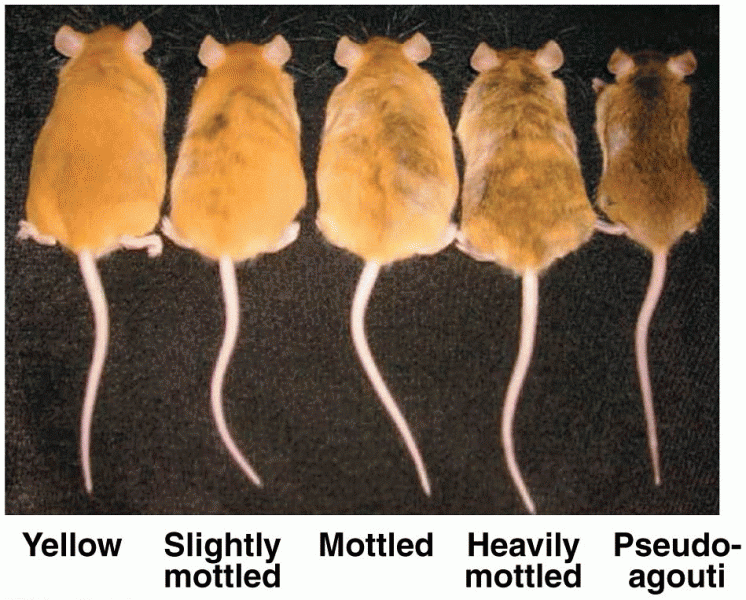 Variable expression of yellow phenotype in mice caused by diet-related epigenetic changes in the gen