
This topic contains a solution. Click here to go to the answer
|
|
|

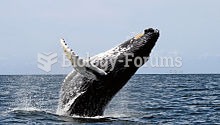 Humpbacks frequently breach, throwing two thirds or more of their bodies out of the water and splash
 Water Gradient
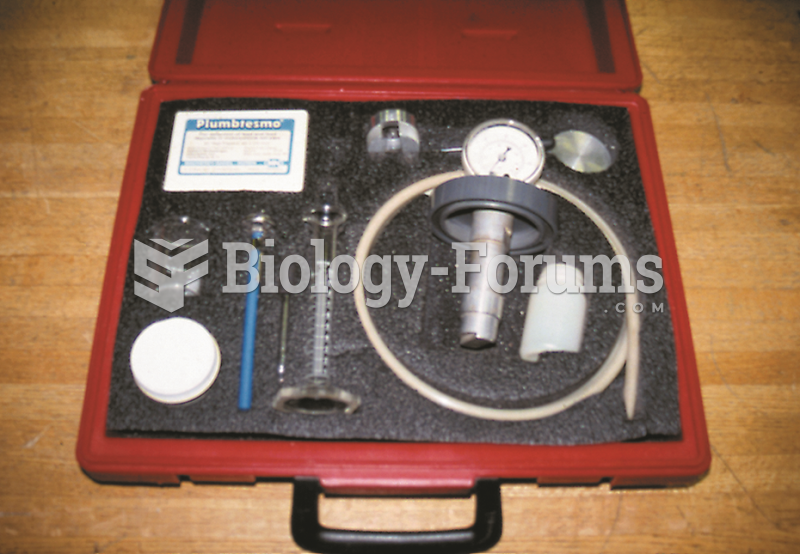 A gasoline testing kit, including an insulated container where water at 100°F is used to heat a ...
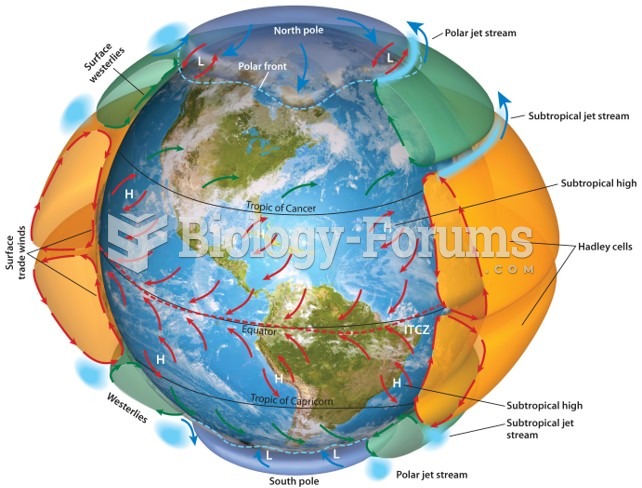 Temperature gradient generates a global pattern of circulation
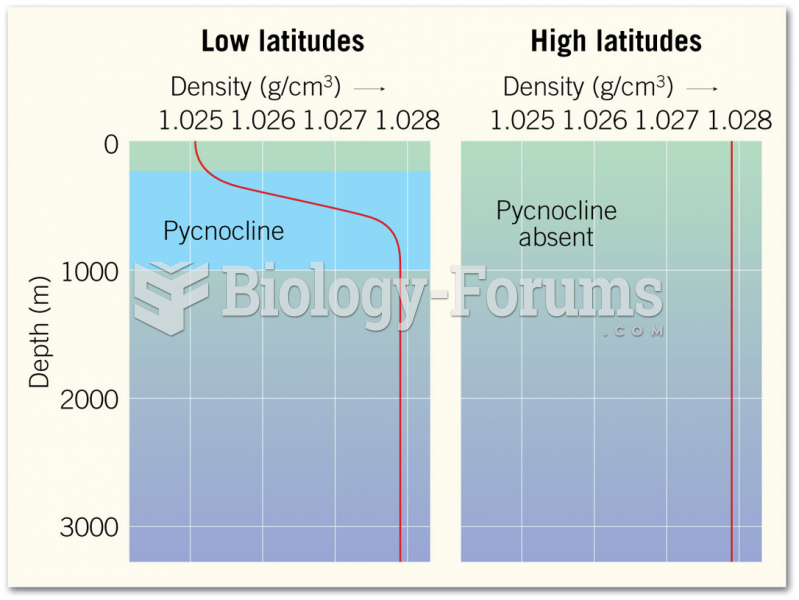 Variations in Ocean Water Density with Depth
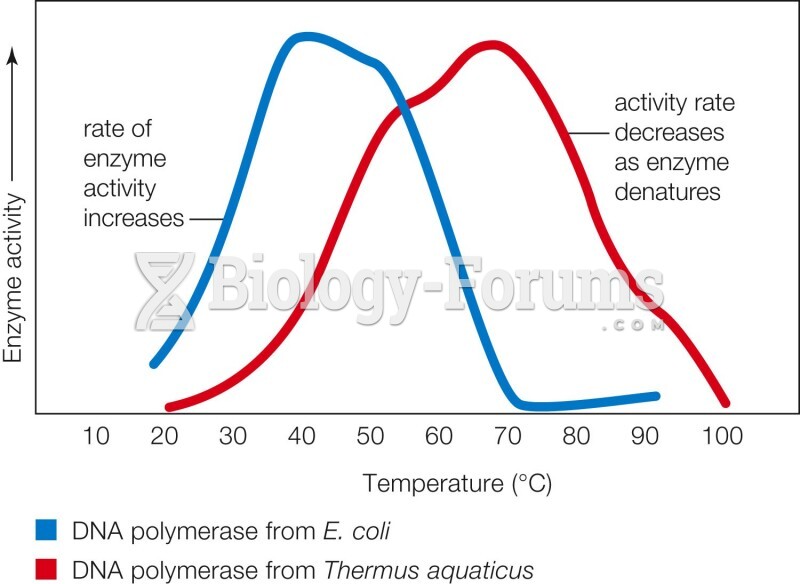 Enzyme activity varies with temperature