A larger brain allowed primates to develop which of the following capacities and abilities?
A) the ability to huddle in the forest to keep warm.
B) use of smell to identify food
C) use of language to signal information to other members of the group
D) the ability to locomote within the forest
E) the capacity to chew and swallow food
Question 2
________ refers to the concept in which maturation is extended, and the brain of an adolescent reaches its adult brain size.
A) Adaptation
B) Mutation
C) Trisomy 21
D) Neoteny
E) Allodyny


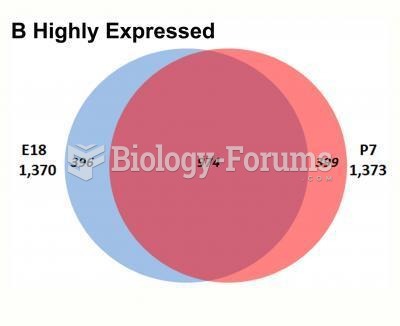 Active Genes Discovered In The Developing Mammal Brain
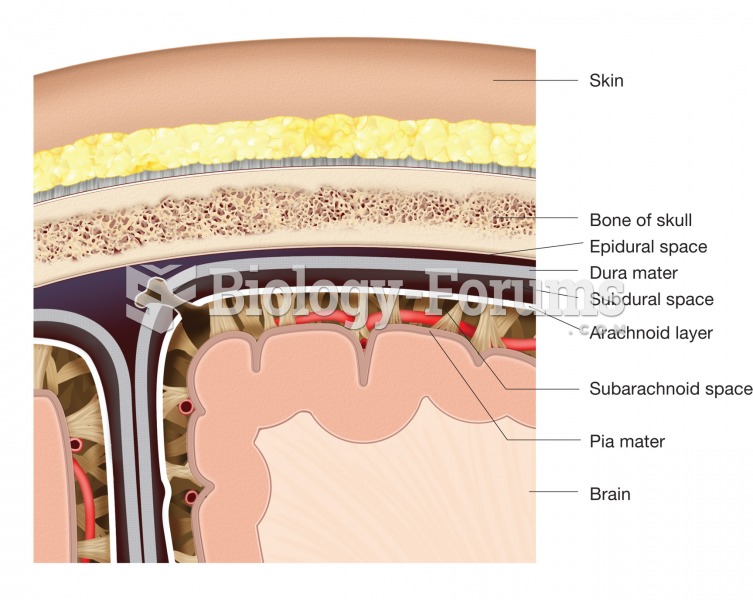 The meninges. This figure illustrates the location and structure of each layer of the meninges and t
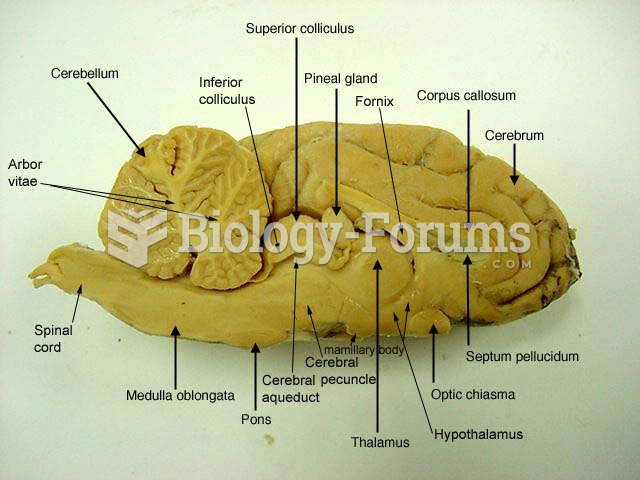 SHEEP BRAIN
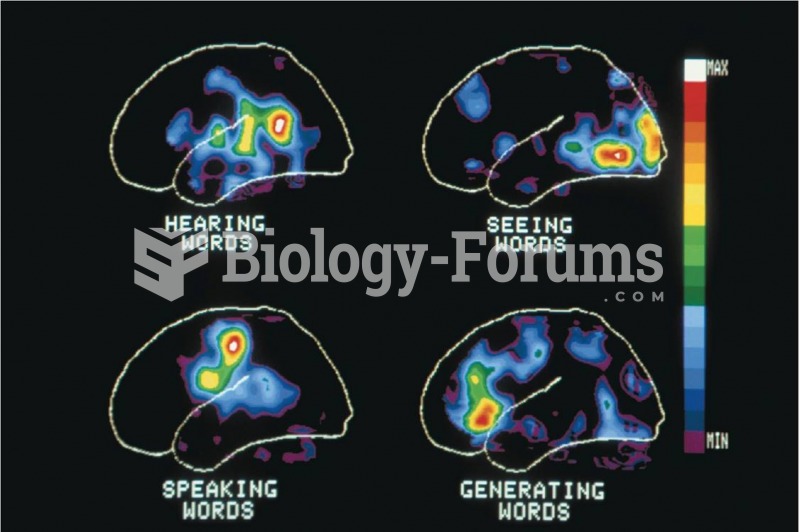 Is the self the same as the brain? Materialists contend that in the final analysis, mental states ...
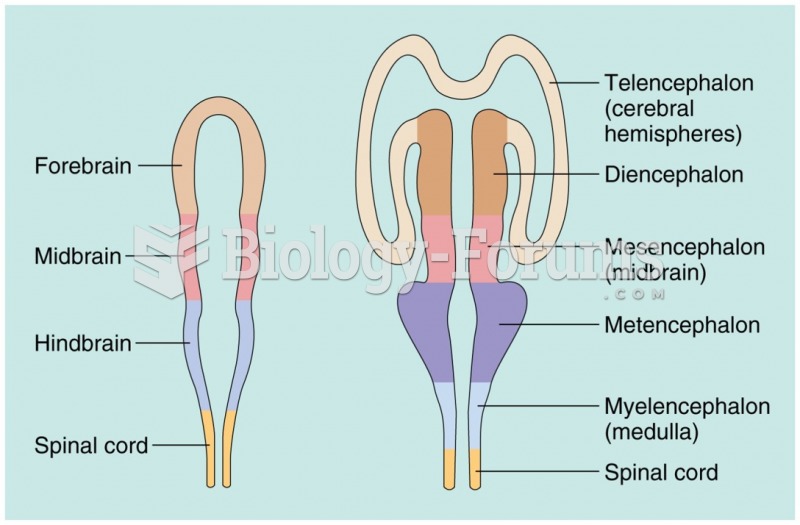 The early development of the mammalian brain illustrated in schematic horizontal sections. Compare ...
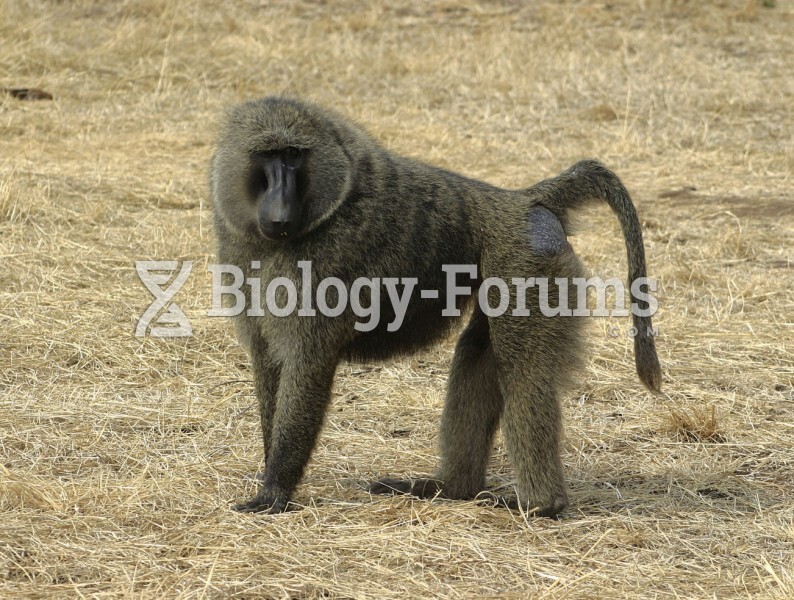 Nonanthropoid Primates: Old World Monkey