
This topic contains a solution. Click here to go to the answer
|
|
|

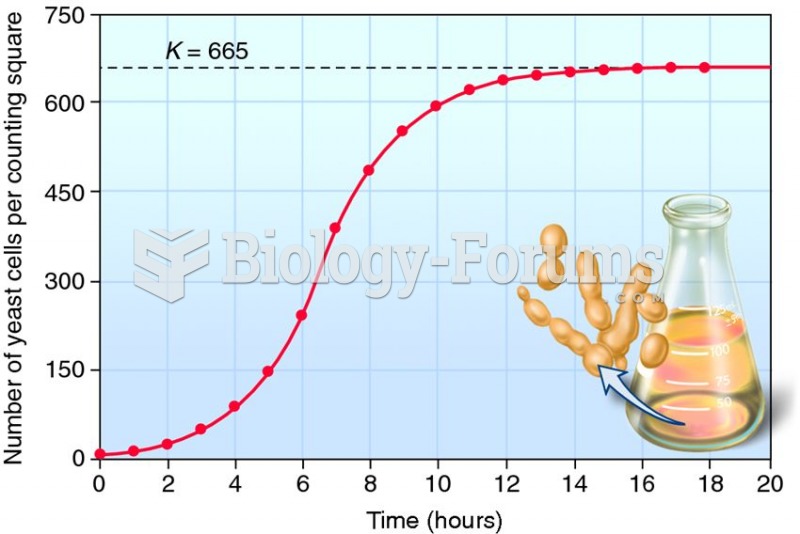 Growth of yeast cells in culture fits the logistic growth model.
 Part of this child's pattern of daily living is attending child care during the work day
 Mumps Virus affecting cells
 Johannes Gutenberg, Page from the Forty-Two-Line Bible, Mainz.
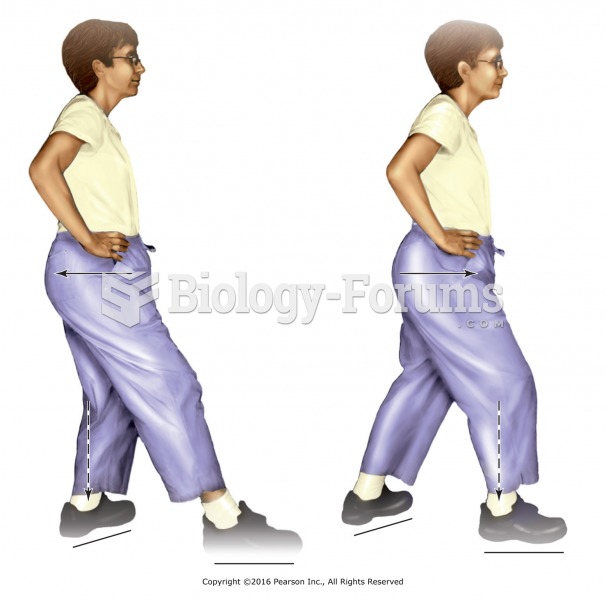 Tai chi stance with front foot pointing straight ahead and back foot at 45° angle, heels in line, ...
 Math work