
This topic contains a solution. Click here to go to the answer
|
|
|

 Human Ecology and Biology
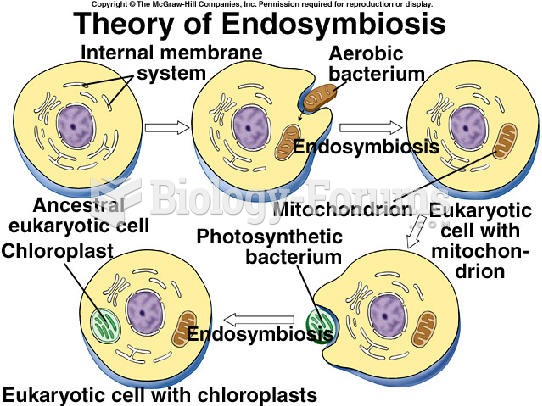 Theory of Endosymbiosis
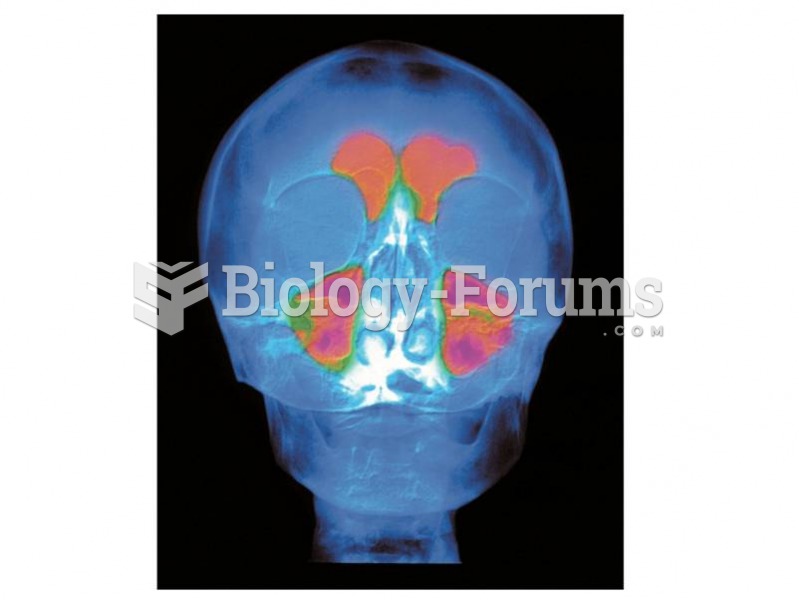 The frontal sinus, an airfilled space just behind the brow, is a unique size and shape in each of us
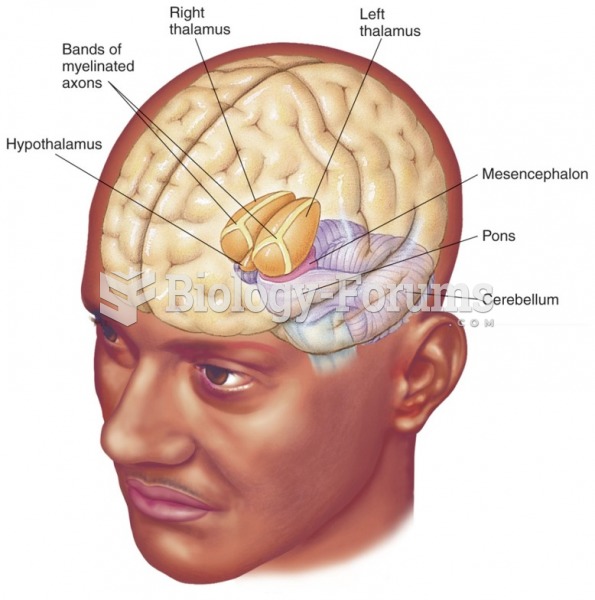 The human diencephalon.
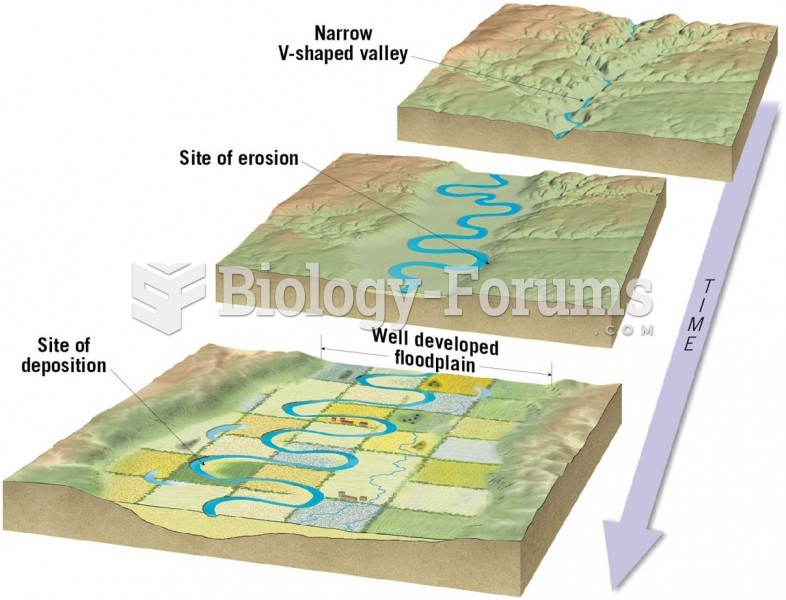 Erosional Floodplain Development
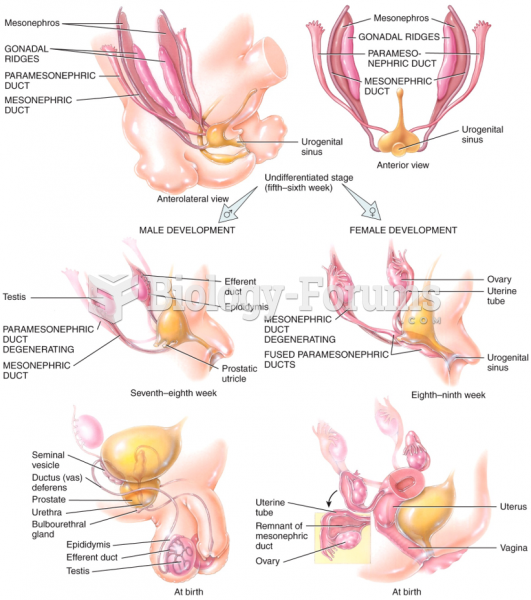 Development of the Reproductive Systems