
This topic contains a solution. Click here to go to the answer
|
|
|

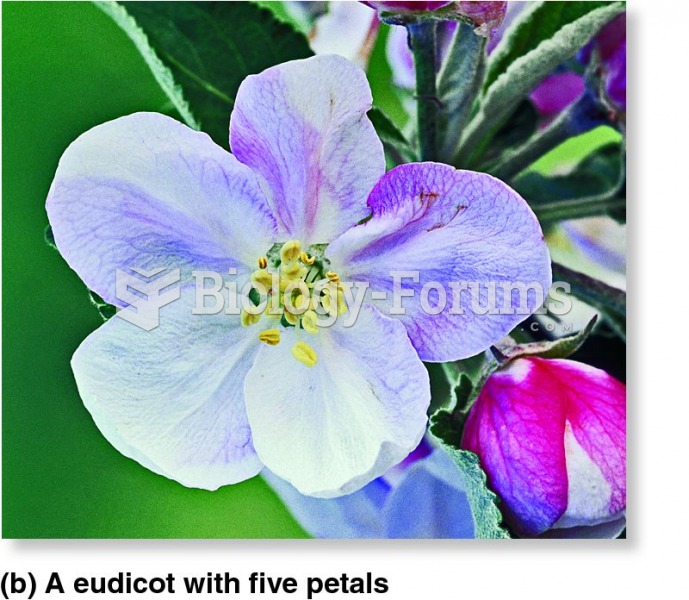 Flower part number is a characteristic difference between monocots and eudicots
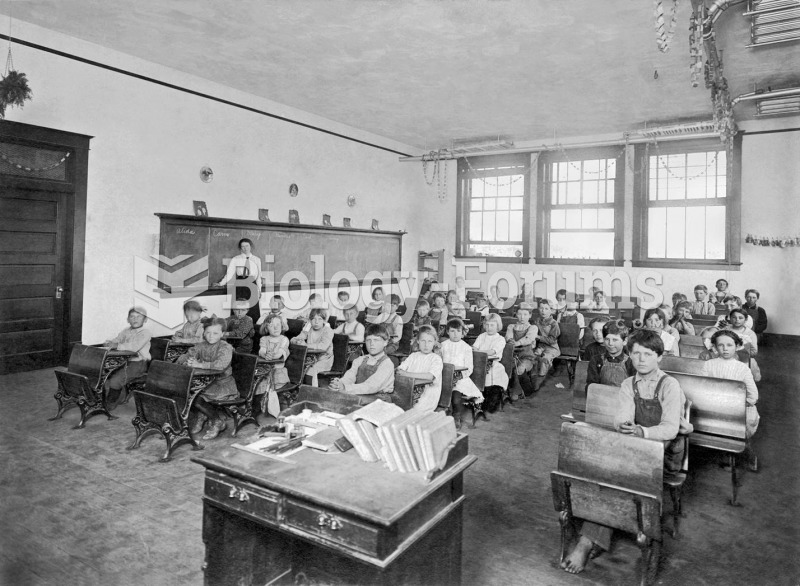 Dewey and the reformers attacked classes, such as this one, circa 1900, where students sat up straig
 Students in class
 Both students with intellectual disability (ID) and students who are intellectually gifted need ...
 Symbolic interactionists stress that a basic characteristic of humans is that they attach meaning to ...
 Food vs Cash: Which Is More Effective for Alleviating Hunger?