
This topic contains a solution. Click here to go to the answer
|
|
|

 Model of a longitudinal study in which 983 students were surveyed in 1984 and then again in 1985, 19
 Bank teller assisting with customer service.
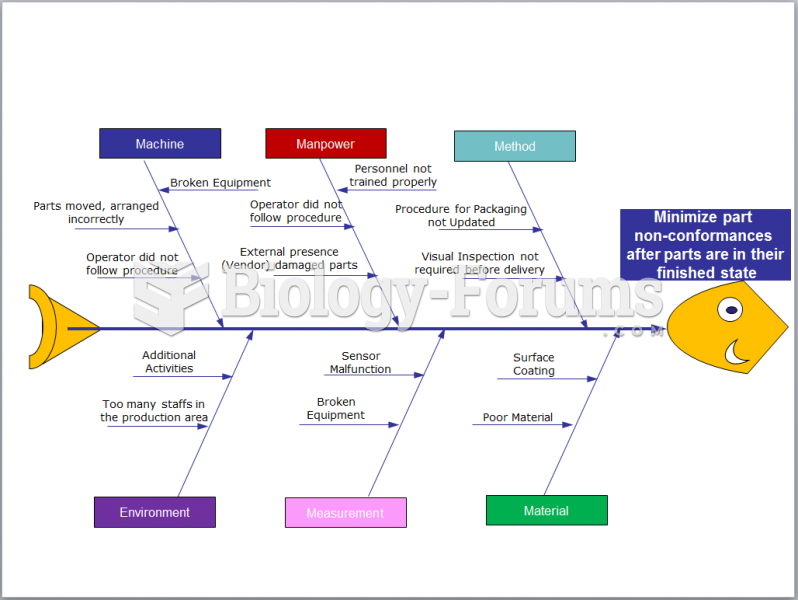 Lean 6 sigma - Fishbone Diagram - CAUSES & Effects OF LOW CUSTOMER SATISFACTION
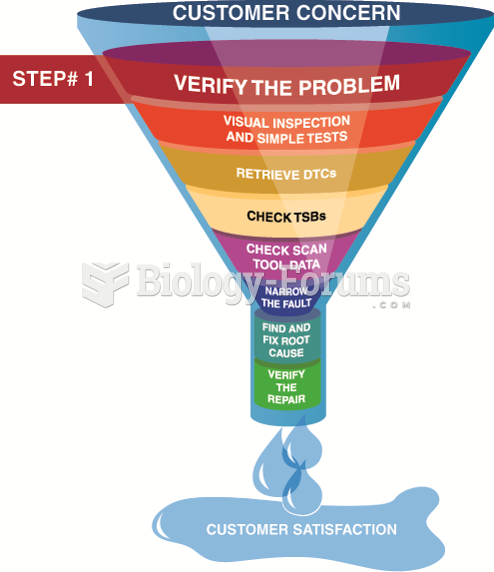 Step 1 is to verify the customer concern or problem. If the problem cannot be verified, then the ...
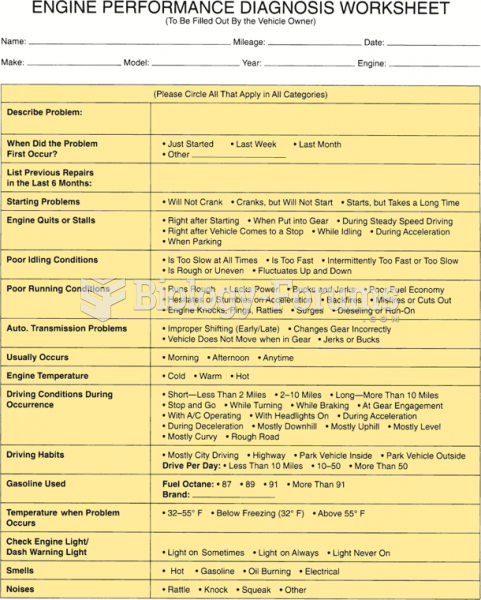 A form that the customer should fill out if there is a driveablilty concern to help the service ...
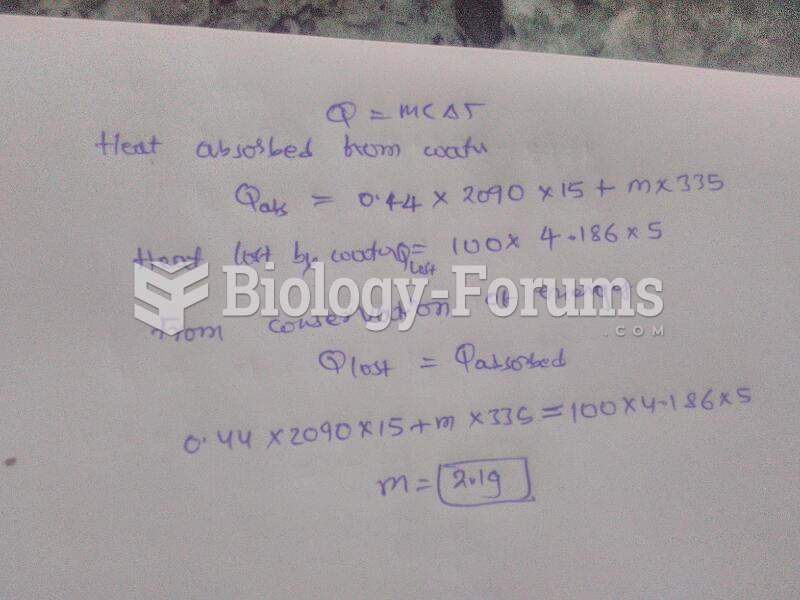 A 44-g block of ice at -15°C is dropped into a calorimeter (of negligible heat c