
This topic contains a solution. Click here to go to the answer
|
|
|

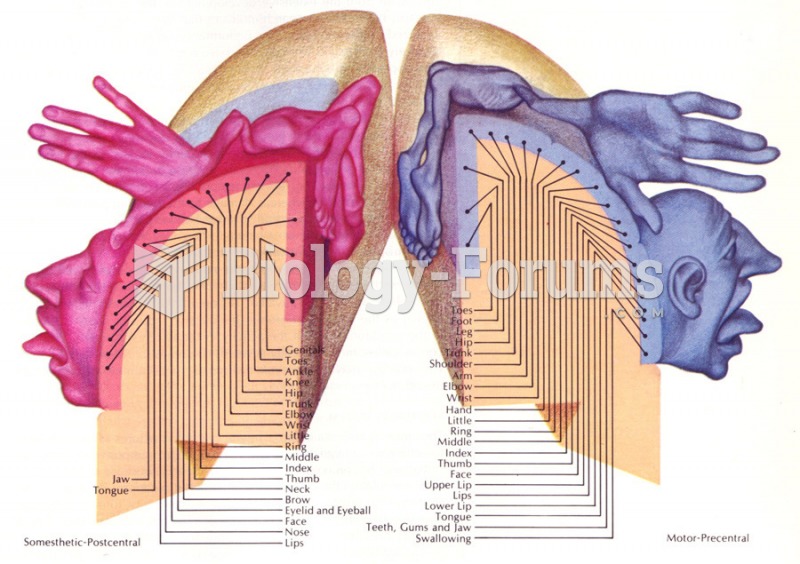 Brain Interpretation and Regions
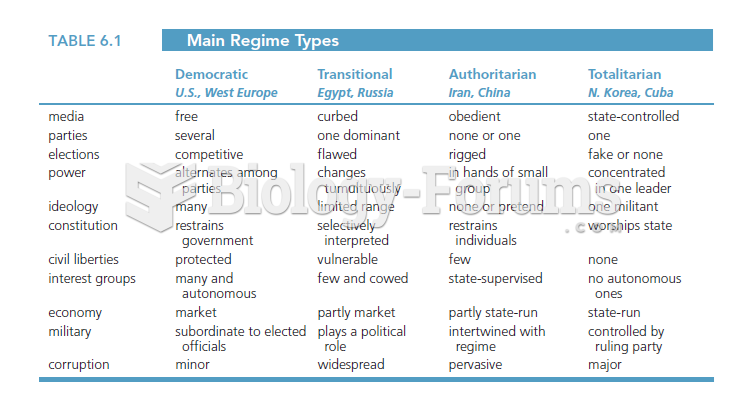 Table 6.1 illustrates the main regime types and their differences. It breaks the regimes into four
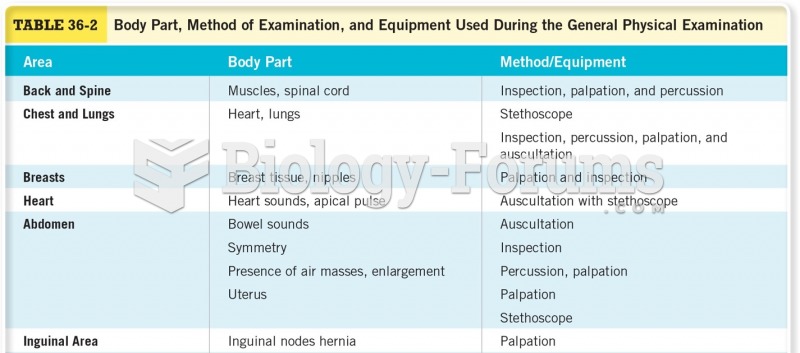 Body Part, Method of Examination, and Equipment Used During the General Physical Examination Cont.
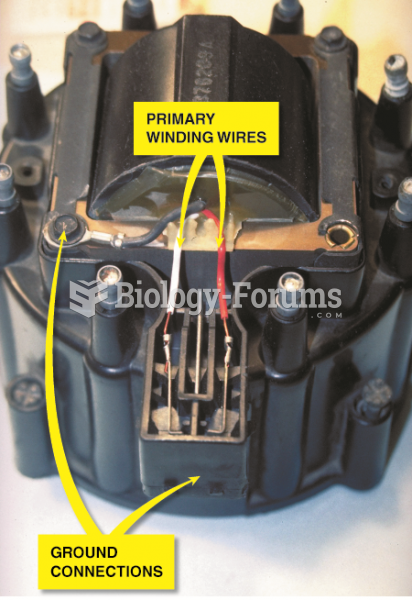 A typical General Motors HEI coil installed in the distributor cap. When the coil or distributor cap ...
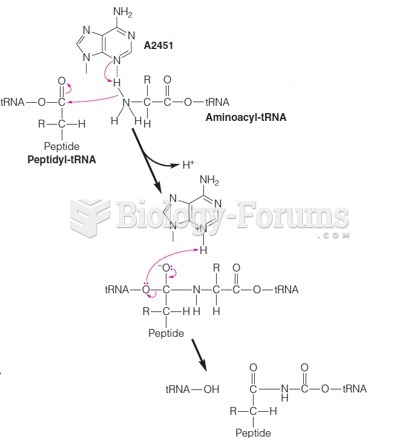 A mechanism for peptidyltransferase involving A2451 (E. coli) as a general base
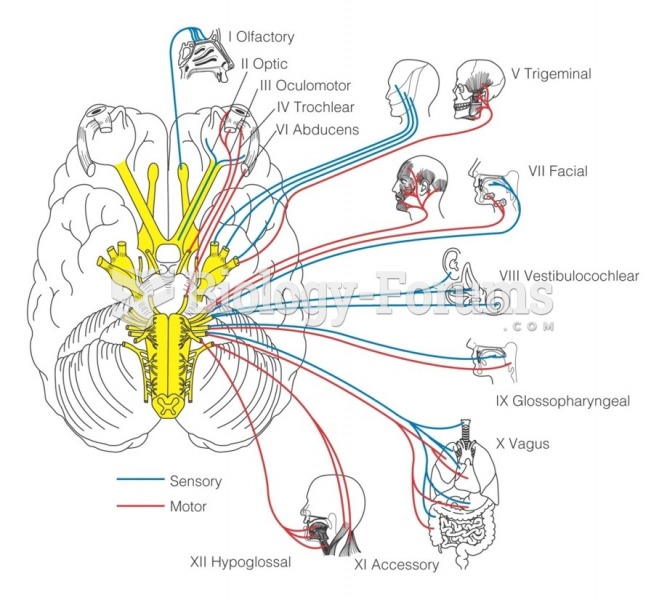 Cranial nerves and their target regions. (Sensory nerves are shown in blue; motor nerves, in red.)