Suppose your school football team is playing its rival on Saturday afternoon. It turns out your team gets trounced by the rival 56 to 7. What would you predict on campus come Monday morning, based on the classic research of Cialdini (1976)?
A) BIRGing: lots of people wearing your school's football jerseys.
B) BIRGing: few people wearing your school's football jerseys.
C) CORFing: lots of people wearing your school's football jerseys.
D) CORFing: few people wearing your school's football jerseys.
Question 2
Which of the following is an old name for one dissociative disorder?
A) Schizophrenia.
B) Bipolar disorder.
C) Insanity.
D) Multiple-personality disorder.


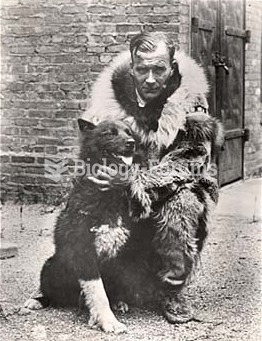 Gunnar Kaasen and Balto, the lead dog on the last relay team of the 1925 serum run to Nome.
 Working and Living and Playing in the City Dump of Phnom Penh, Cambodia
 School is over—but not for this student. After the regular school day, hundreds of thousands in ...
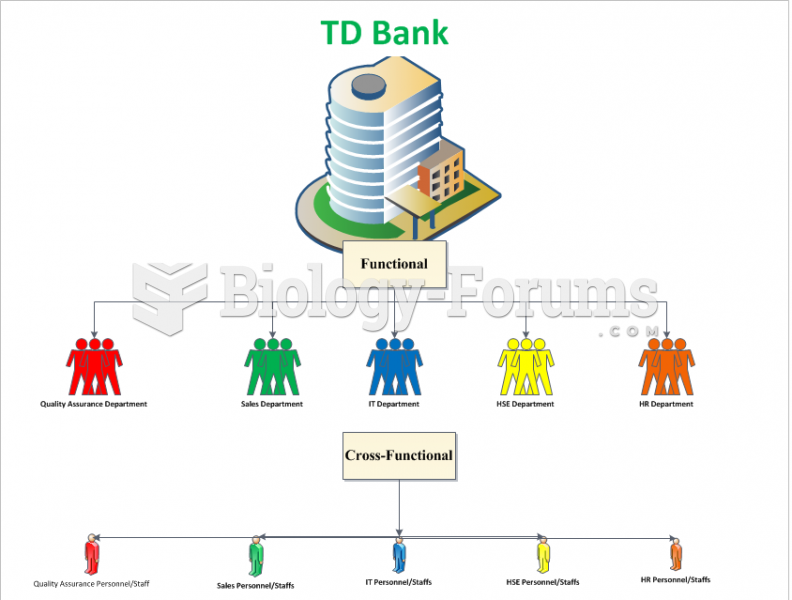 Difference between Functional and Cross-Functional team
 Try an afternoon glass of cold grape juice for a refreshing break
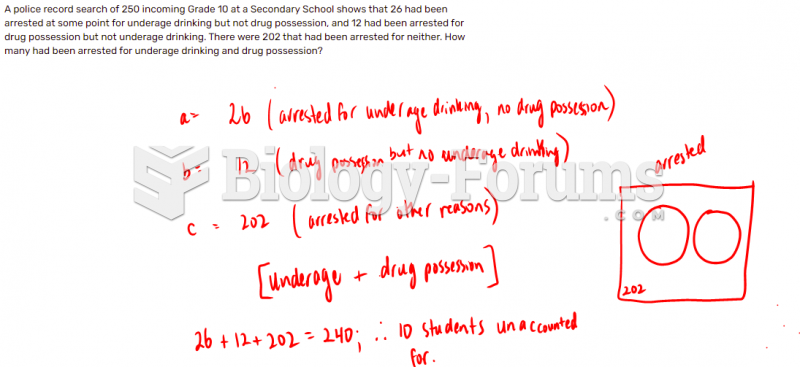 A police record search of 250 incoming Grade 10 at a Secondary School shows that 26 had been ...