Answer to Question 1
As discussed by Krotokov, a strong SOC affects our physiological systems, our motivation to engage in health- promoting behaviors, and our appraisal and coping processes. A brain with a strong SOC is more likely to send appropriate signals to the nervous, endocrine, and immune systems to resist entropic forces in the face of demands or to recover more fully when stressed. In addition, persons with strong SOCs are more motivated to engage in health-promoting behaviors like physical exercise and avoid health-destructive behaviors like tobacco smoking.
Answer to Question 2
Generalized resistance resources (GRRs) are important in shaping our world view, or what Antonovsky referred to as our sense of coherence (SOC). Our SOC becomes a relatively stable component of our personality structure by late early adulthood. It is comprised of three integrated factors that are influenced by our life experiences referred to as comprehensibility, manageability, and meaningfulness.


 Home Health Nurse.
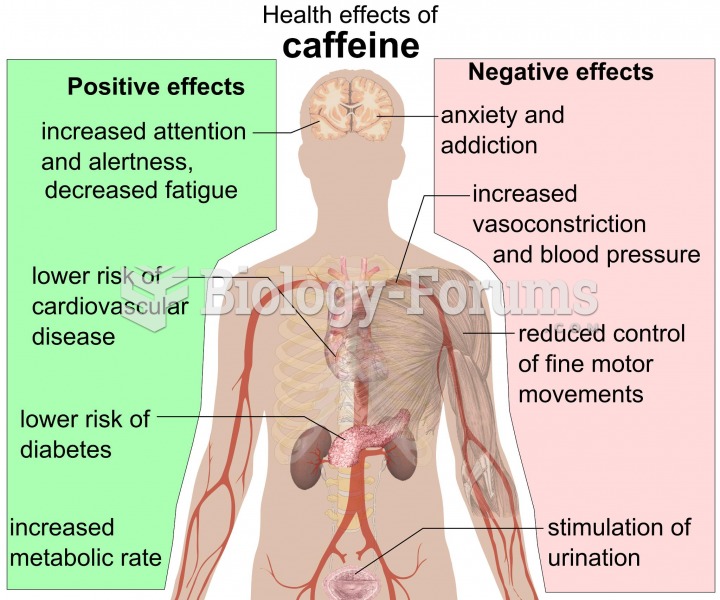 Health effects of Caffeine
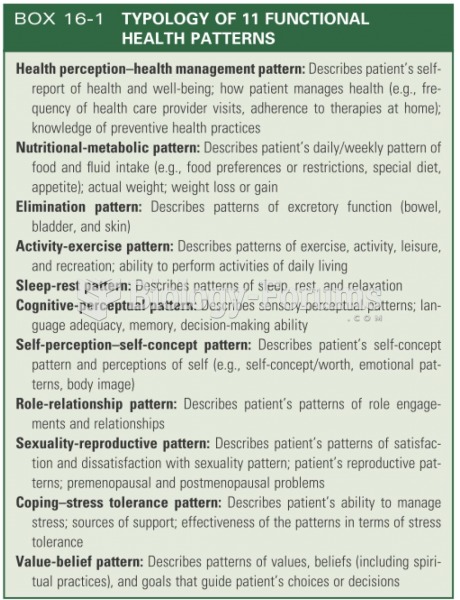 Typology of 11 functional health patterns
 How many potential risks to the health of the embryo and fetus might a mother encounter in an urban ...
 Comparison of Paper Medical Records and Electronic Health Records
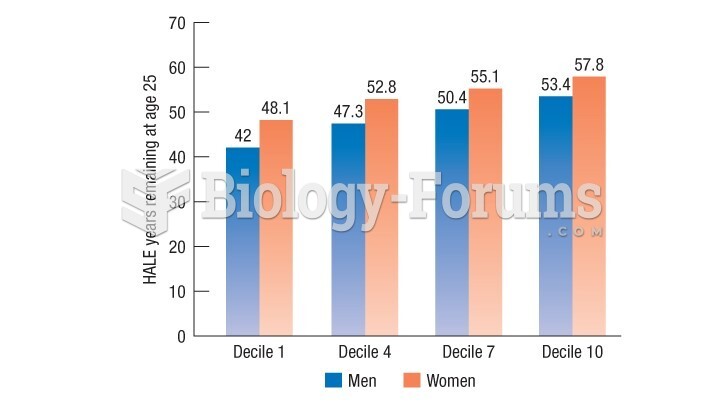 Remaining health-adjusted life expectancy (years) at age 25