According to Carol Gilligan, Kohlberg's theory of moral development places so much emphasis on justice that it is far more applicable to
a. teenagers than it is to toddlers.
b. children than it is to adults.
c. males than it is to females.
d. females than it is to males.
Question 2
In comparison to children born to non-teen mothers, children born to teenage mothers show
a. higher levels of cognitive functioning during the preschool years.
b. lower levels of emotional problems.
c. higher levels of behavioral and emotional problems.
d. higher levels of cortisol production.


 Congruence among values, beliefs, and role requirements supports the development of empowered ...
 Tornado Formation: Nonsupercell Tornado Development
 Eco-Development Projects
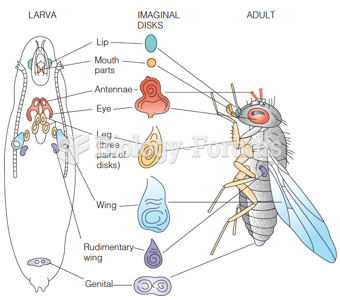 Imaginal disks in the development of Drosophila
 Infant and Toddler Development and Responsive Program Planning: A Relationship-Based Approach
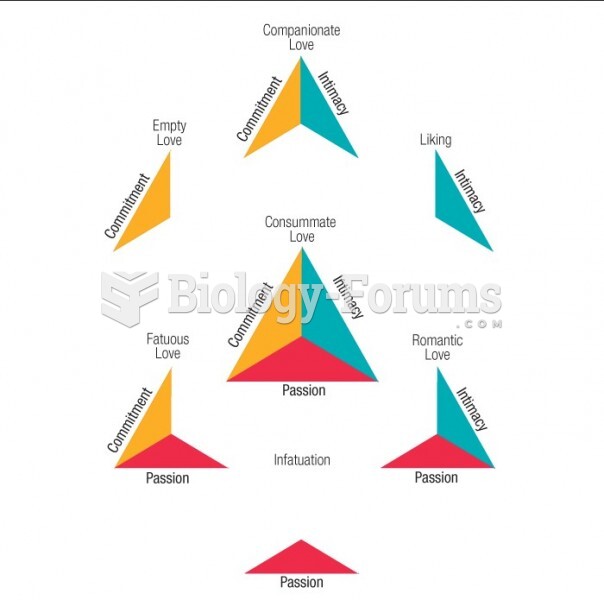 Sternberg's theory postulates three components of love