
This topic contains a solution. Click here to go to the answer
|
|
|

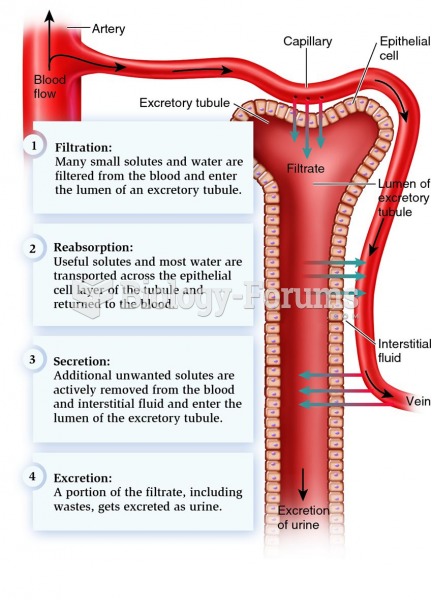 Basic features of the function of many excretory systems.
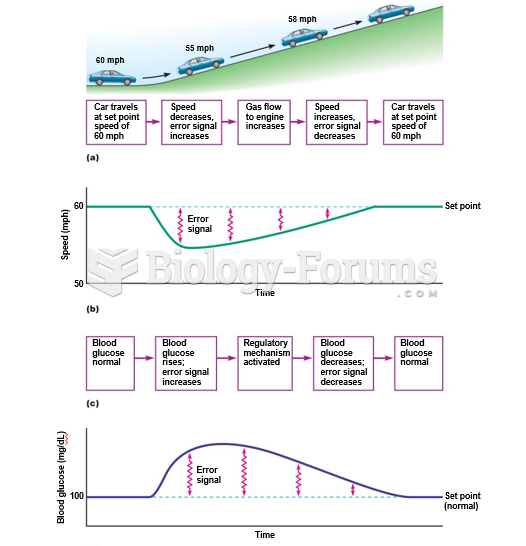 Negative feedback control of a regulated variable.
 How to combine and sketch transformations of a sinusoidal function (Question 2) (y=a*sinb(x−c)+d)
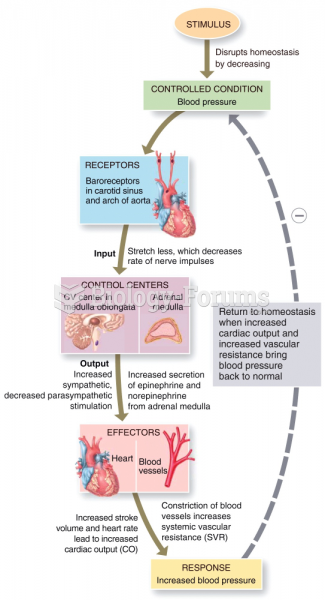 Negative Feedback Regulation of BP
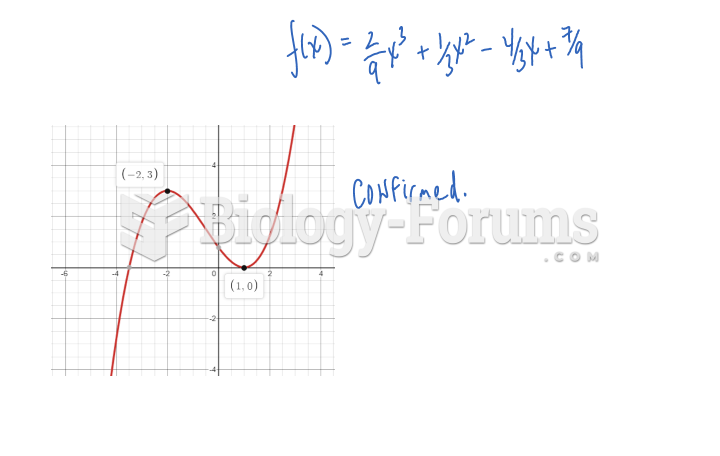 Calculus help: Find a cubic function f (x) = ax3 +bx2 +cx+d that has a local maximum value of 3 ...
 Comparison of loss- and gain-of-function alleles