In the production possibilities model, the vertical axis measures ________ and the horizontal axis measures ________.
A) people's wants; the quantity of a good or service
B) the quantity of a good or service; time
C) the price of a good or service; the price of another good or service
D) the price of a good or service; the quantity of the good or service
E) the quantity of a good or service; the quantity of another good or service
Question 2
An increase in potential GDP ________ aggregate supply and ________.
A) decreases; shifts the AS curve rightward
B) increases; shifts the AS curve rightward
C) decreases; shifts the AS curve leftward
D) increases; shifts the AS curve leftward
E) has no effect on; does not shift the AS curve


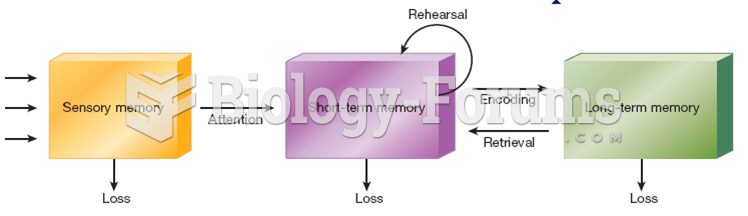 The Atkinson-Shiffrin model
 Human of the planet's net primary production and appropriation of NPP
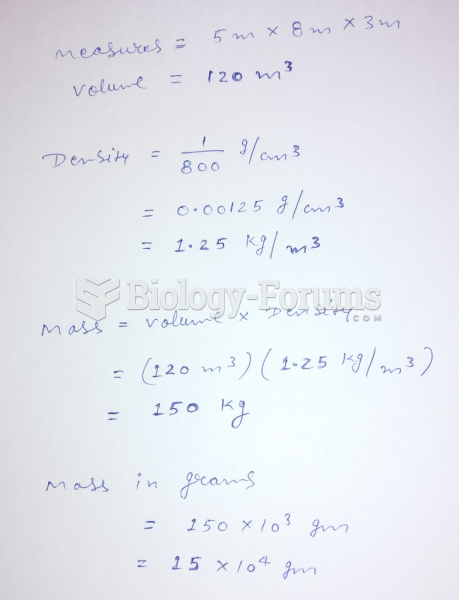 What is the mass of air in a room that measures 5.0 m 8.0 m 3.0 m? (The density of air is ...
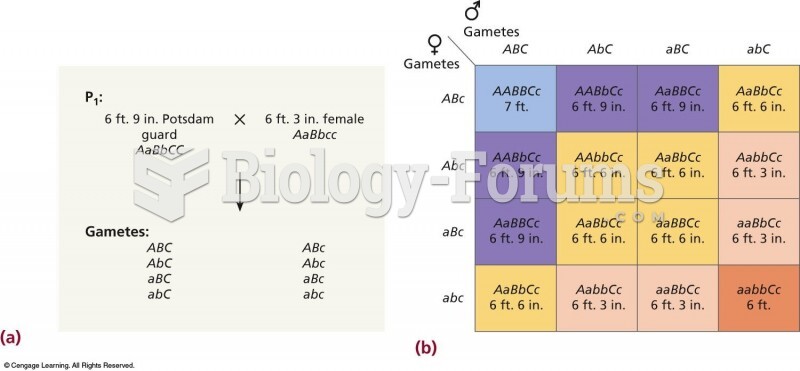 An additive model for the inheritance of height in the Potsdam Guards. In this example, the guards a
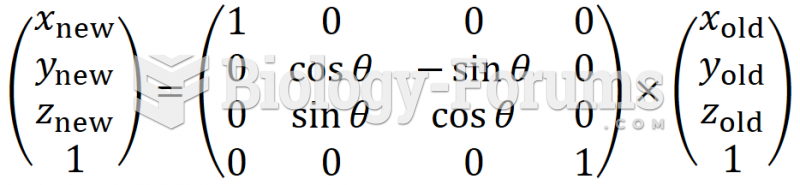 Rotating a matrix along the x-axis
 The orange ball is a model of an HPV16 virus