In an open economy, a reduction in government spending will cause
A) an increase in domestic output.
B) an increase in imports.
C) an increase in net exports.
D) all of the above
E) none of the above
Question 2
Suppose individuals wish to obtain the most accurate comparison of living standards between the Canada and Saudi Arabia. To do so, one would convert Saudi Arabian output into dollars using
A) the current nominal exchange rate.
B) the current real exchange rate.
C) the prior year's real exchange rate.
D) an average of the last five years' exchange rates.
E) purchasing power parity methods.


 Wild boar/domestic pig hybrid, displayed at Rothschild Museum, Tring, England
 In 2009, historian Woody Holton described how Abigail Adams shrewdly invested in the Continental Con
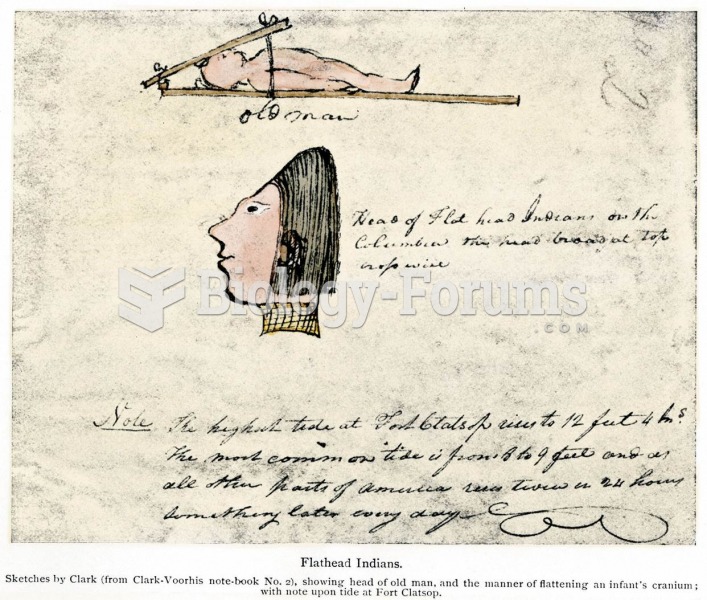 The “Flat Head” (Chinook) Indians acquired their name through shaping in infancy, as shown in a diag
 Henry Fox Talbot, The Open Door.
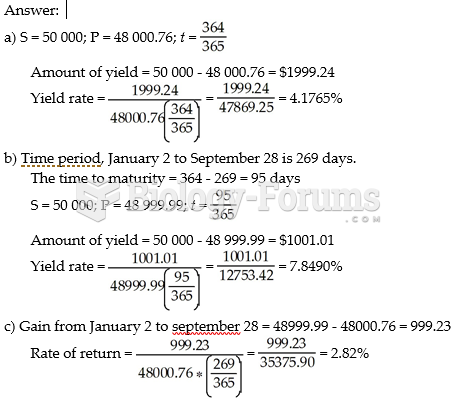 A government of Ontario 364-day T-bills with a face value of $50 000 were purchased on January ...
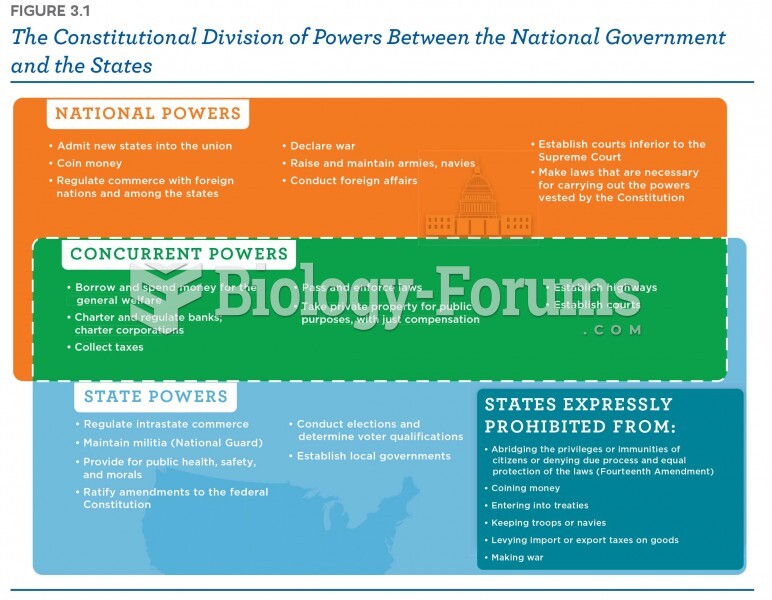 The constitutional division of Powers Between the National Government and the States