
This topic contains a solution. Click here to go to the answer
|
|
|

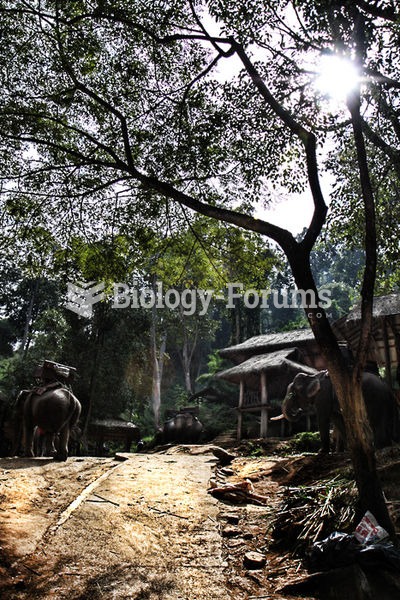 Elephant work camp in Thailand. Elephants are used for heavy forest work and in circus presentations
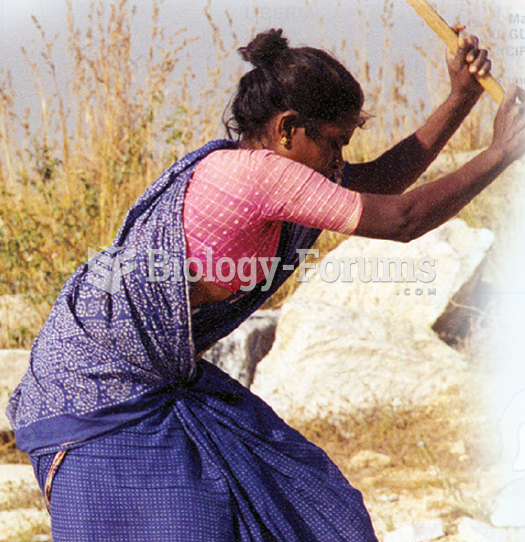 Work and Gender: Women at Work in India
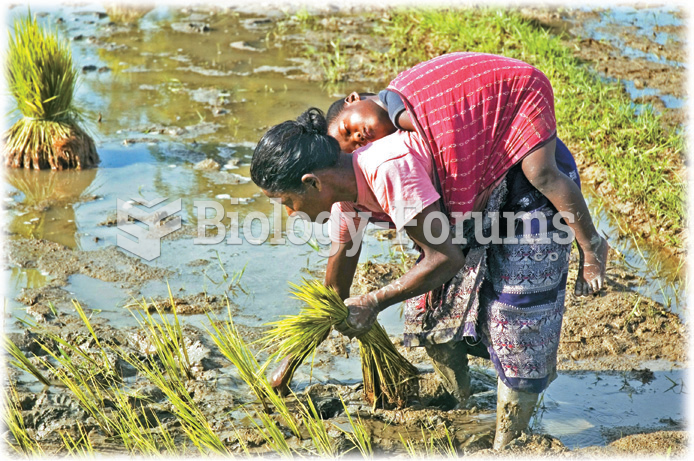 Work and Gender: Women at Work in India
 Tag identify that the power has been removed and service work is being done.
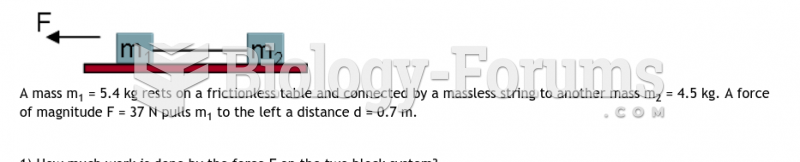 Work on two blocks
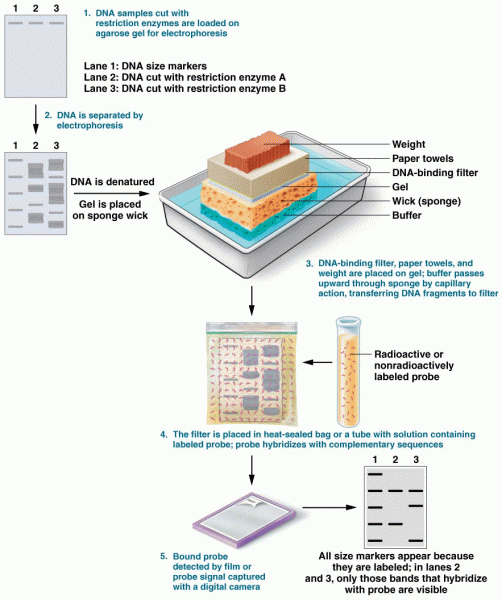 Samples of the DNA separated by gel electrophoresis