
|
|
|

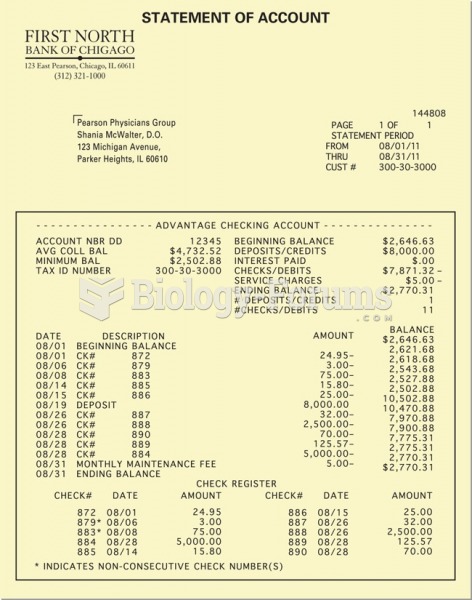 A typical bank statement.
 Example of Reconciling a Bank Statement
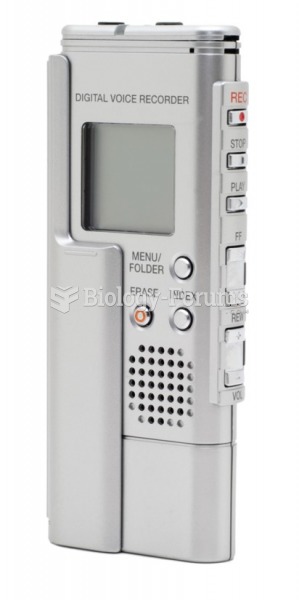 Digital recording devices can be helpful when providing patient education to visually impaired ...
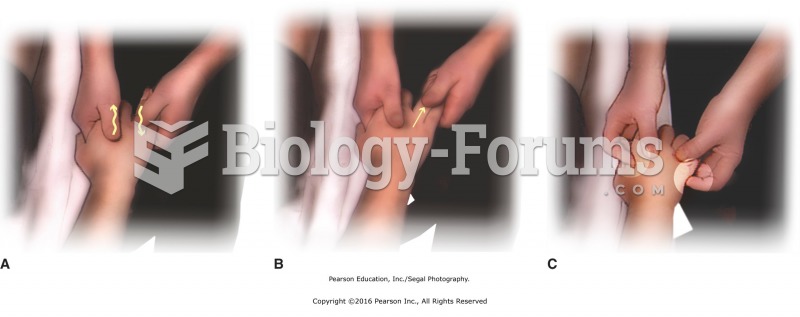 General hand massage. Include (A) metacarpal mobilizations and (B) gentle finger pulls. (C) Press ...
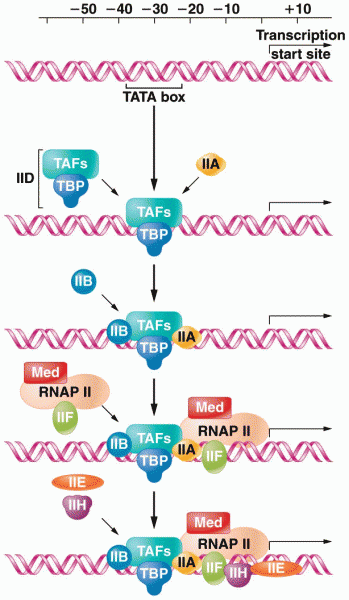 The assembly of general transcription factors required for the initiation of transcription by RNAP I
 Students pointing at a computer screen