
This topic contains a solution. Click here to go to the answer
|
|
|

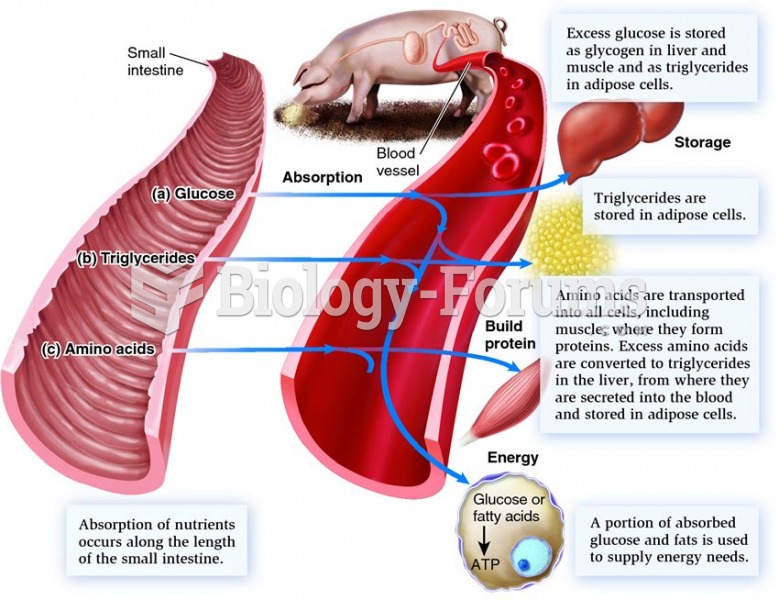 Events of the absorptive state.
 A woman in a net on a Congo shore. Although the importation of slaves was illegal after 1807, histor
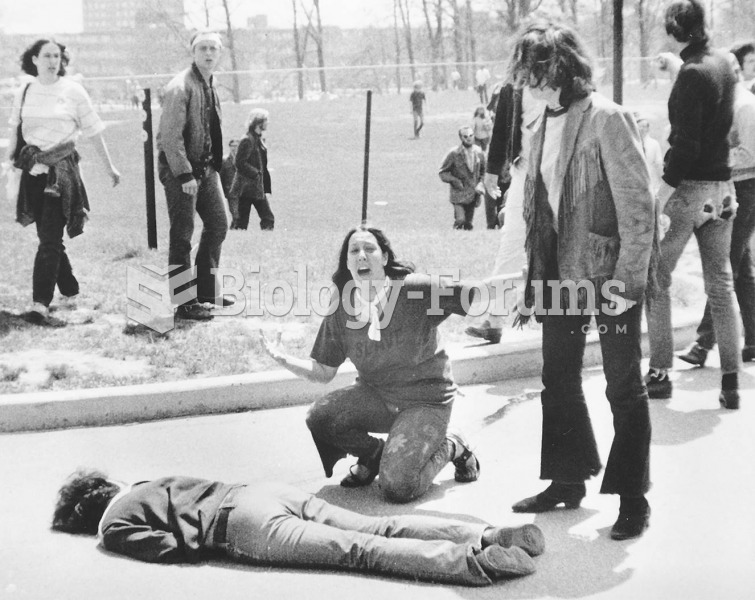 National Guardsmen firing into a crowd of antiwar protesters at Kent State University killed four ...
 Ronald Reagan rides a horse—a familiar photo opportunity for presidents. But Reagan was an amiable ...
 Common STIs in the United States
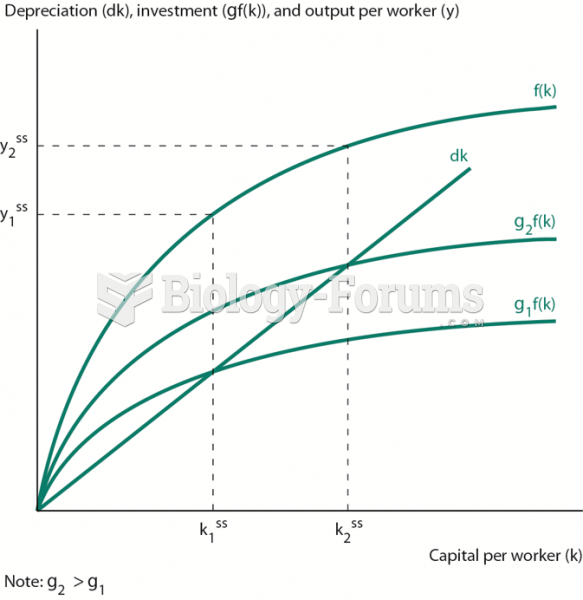 Effect of Increasing the Investment Rate on the Steady State