
This topic contains a solution. Click here to go to the answer
|
|
|

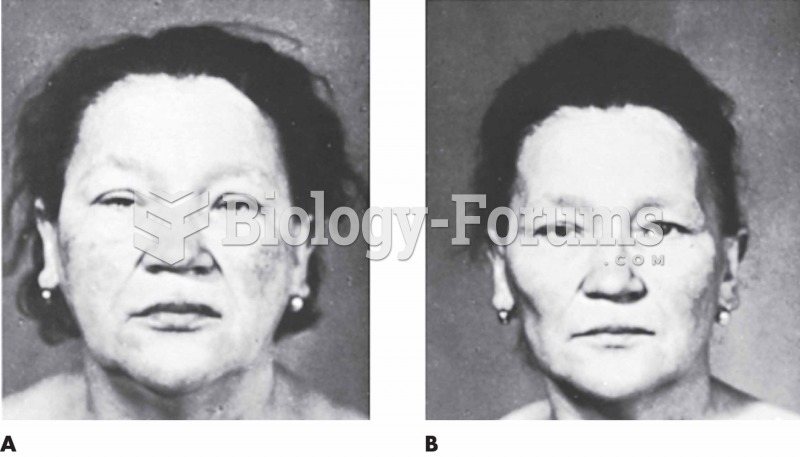 (A) A 62-year-old patient with myxedema exhibiting marked edema of the face and a somnolent look. Th
 Fall
Fall
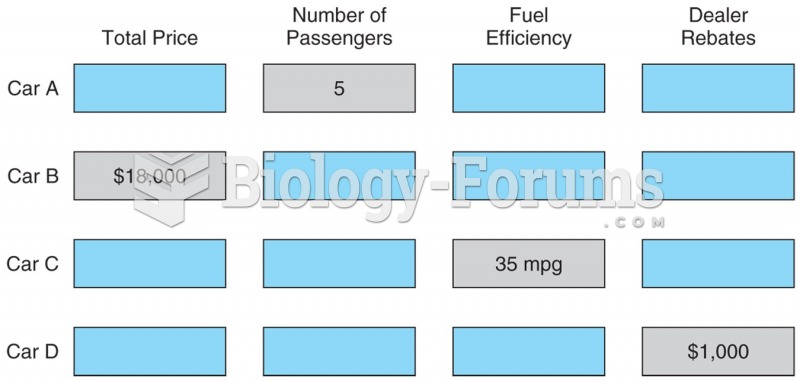 Example of a choice board used in studies of decision making. This one includes four factors for ...
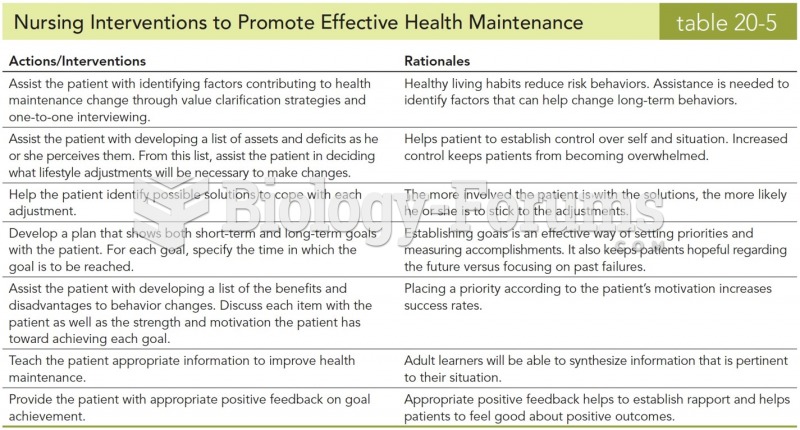 Nursing Interventions to Promote Effective Health Maintenance
 The initial timing is where the spark plug fires at idle speed. The computer then advances the ...
 Biology multiple choice