Mrs. Thomas is a new fourth grade teacher. In the third week of school, she is introducing a new science unit that includes several words that will probably be new to most of the students. The unit involves extensive declarative knowledge, and Mrs. Thomas has chunked the information into small segments that her students can grasp. Now she is in the classroom and ready to begin the introduction with the students. What is the first thing she must do in order to meet her goal of helping students learn?
a. Present visual information
b. Present verbal information
c. Gain students' attention
d. Use dual coding
Question 2
Griffin has been cast as the lead character in the school play. He has a lot of lines to memorize and about three weeks before rehearsals begin. He plans to memorize about five pages per night, making sure he has memorized Act I by the end of the first week. What method of memorization is Griffin using?
a. Massed practice
b. Serial effect
c. Distributed practice
d. Loci method


 Thomas Hobbes (1588–1679)
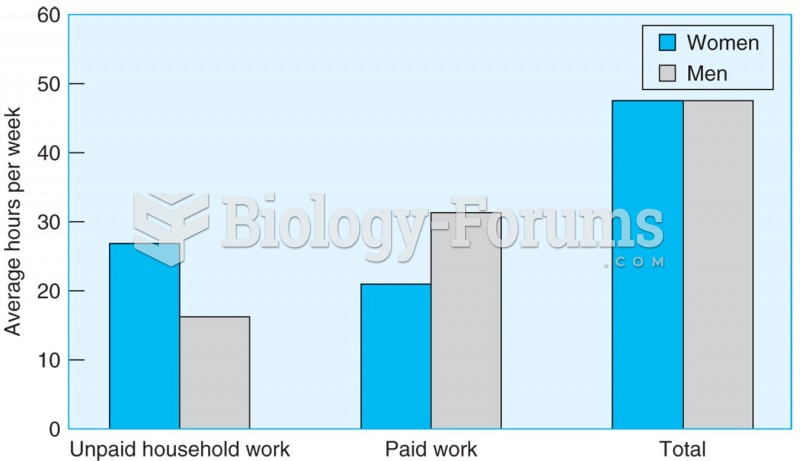 Men and women work the same number of hours a week, but men spend more time on paid work, and women ...
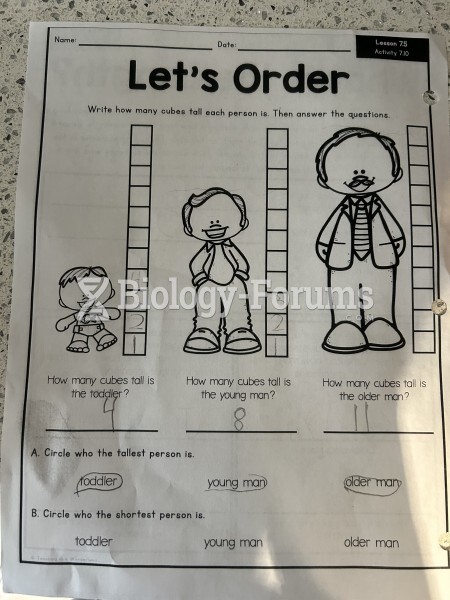 Grade 1 math
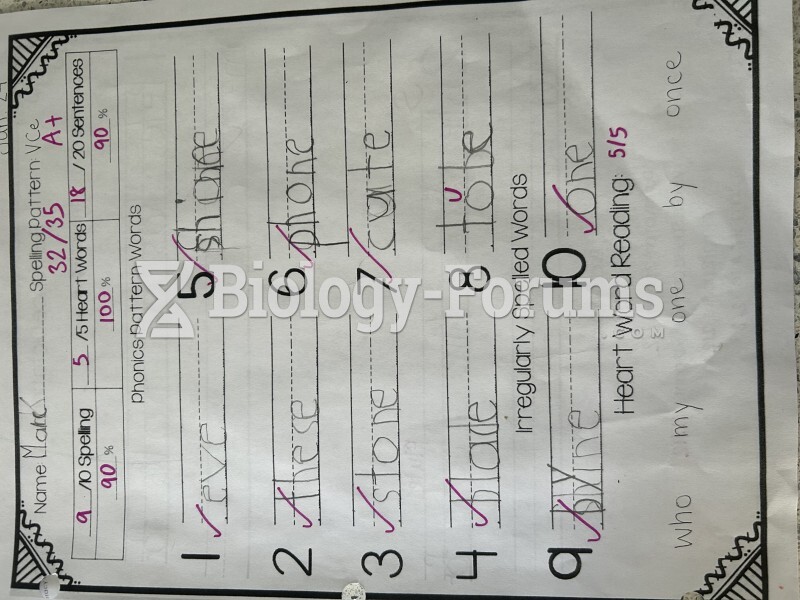 Spelling patterns Grade 1
 Likelihood words grade 1
 Math grade 1 Activity