
|
|
|

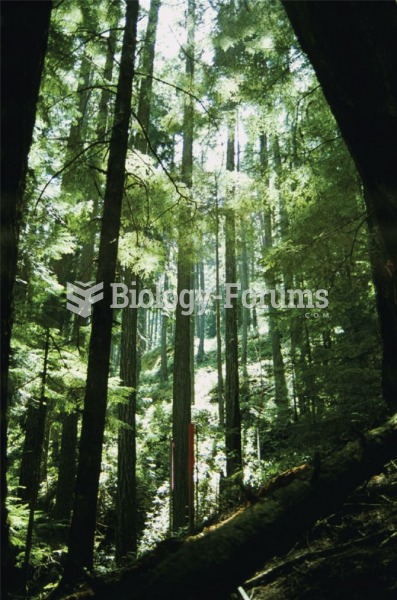 The small-scale distribution of different tree species in a Douglas-fir forest is determined by both
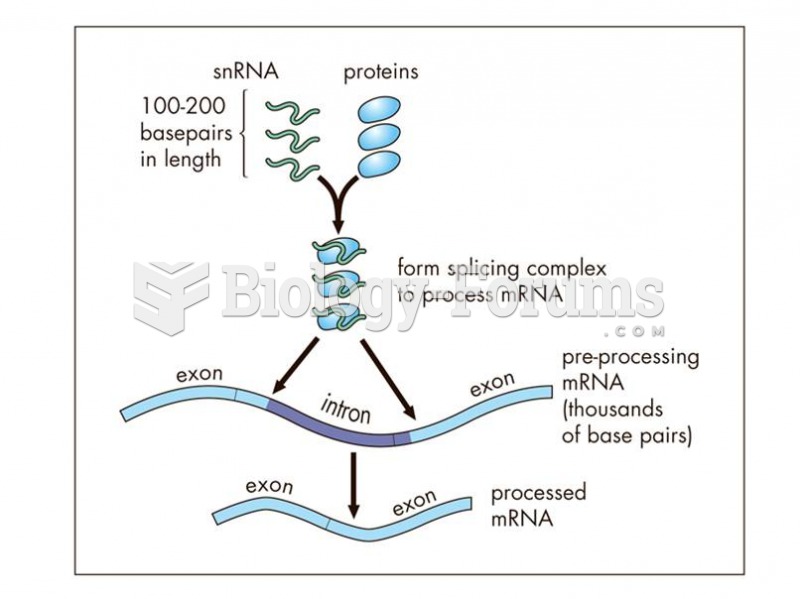 Small nuclear RNAs (snRNA), 100-200 bp in length, form part of the splicing mechanisms to process mR
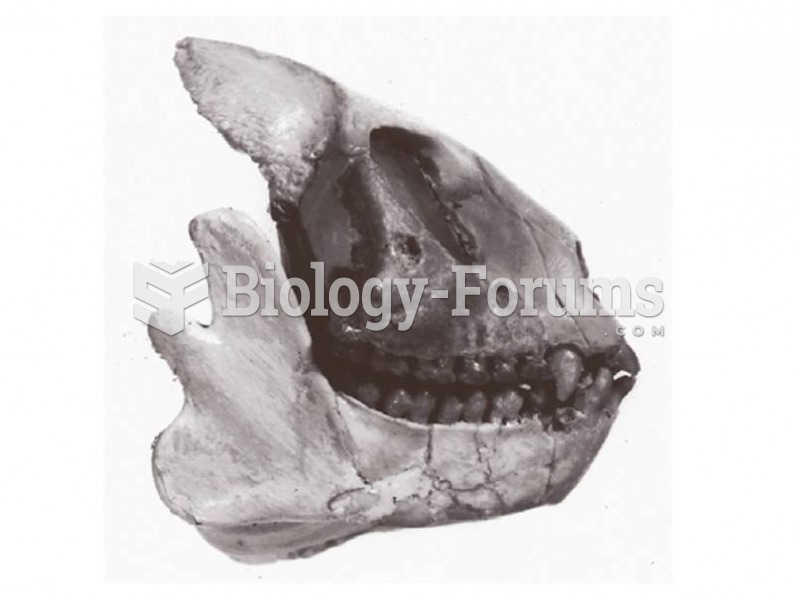 Apidium may be ancestral to all later higher primates and is reconstructed as looking like a small-b
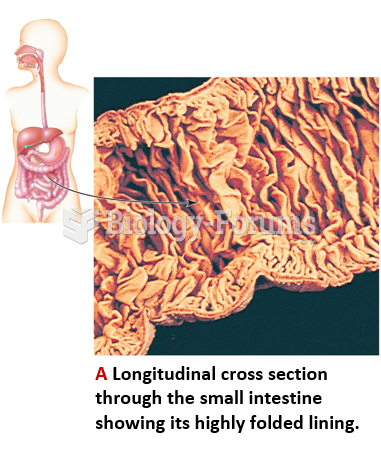 The Small Intestine: A Huge Surface for Digestion & Absorption
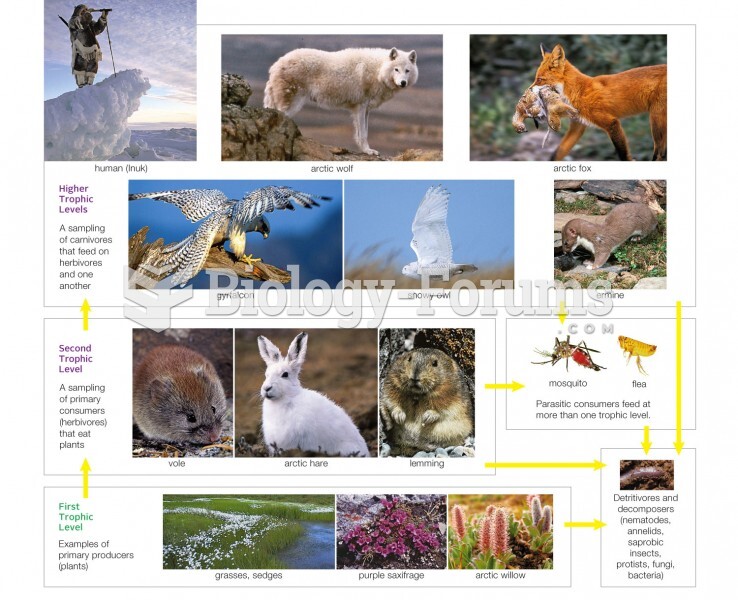 A very small sampling of organisms in an arctic food web on land.
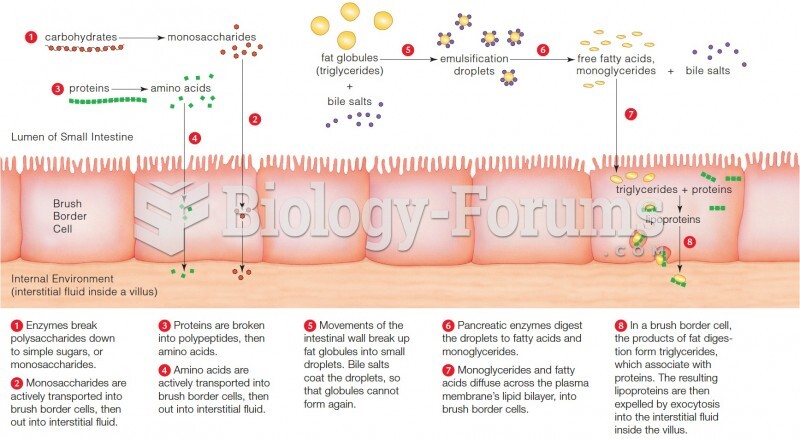 Summary of digestion and absorption in the small intestine