Answer to Question 1
ANS: A, C, D
Patients should be included in the planning process. Involving patients in planning their care helps them to (1) be aware of identified needs, (2) accept realistic and measurable goals, and (3) embrace interventions to best achieve the mutually agreed-on goals. Inclusion of patients in the planning process tends to improve goal attainment and patient cooperation with interventions. By accepting guidance and input from patients during the planning process, the nurse provides them with a greater sense of empowerment and control.
Answer to Question 2
ANS: A, B, C, D
The significance of developing organized plans of care for patients cannot be stressed enough. The nurse must take seriously the responsibility of prioritizing patient needs, developing mutually agreed-on goals, determining outcome criteria, and identifying interventions that can help patients to achieve positive outcomes. After these actions are completed in the planning phase of the nursing process, it is time for implementation of the patient's plan of care (Implementation phase).


 A hypothesis that suggests an explanation of the function of the gene that is defective in patients
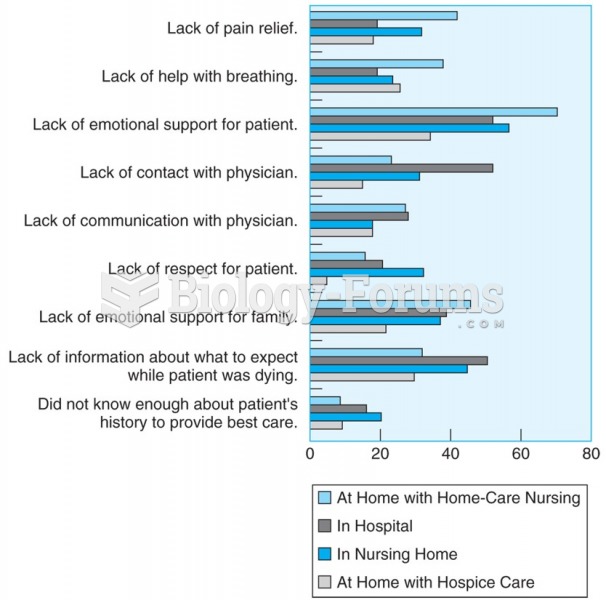 After the death of a loved one, family members report concerns about last place of care.
 Variations Affecting Health Care Among Different Cultures
 Dental Related Adverse Effects in Patients Undergoing Cancer Treatment
 How to solve a half life problem involving exponential models (Question 1)
 How to solve problems involving the area of a rectangle