In an experiment, you measure the result of the feature being manipulated, called the __________ variable, on an outcome, called the __________ variable.
Fill in the blank(s) with correct word
Question 2
When you read the results of a scientific study, which of the following should you do first?
a. Determine which type of research strategy was used (observational study, randomized experiment, etc.)
b. Look at the results and decide whether they make sense or not.
c. Jump to the part where they show the data, and see if was collected properly.
d. Decide if the results apply to your life.


 Aerial and close-up views of a large biodiversity experiment in Cedar Creek, Minnesota. Each of the
 Platycnemididae are a family of damselfly called white-legged damselflies.
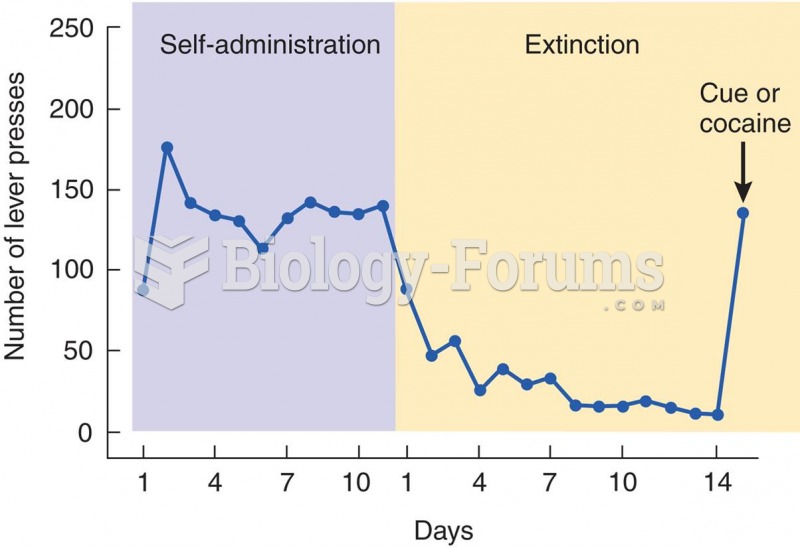 The Reinstatement Procedure, a Measure of Craving
 In 1839 Mary Cragin, at the age of twenty-nine, became a convert to John Humphrey Noyes’s “communism
 Luna Park at Coney Island was a vast living theater in which strollers were both spectators and acto
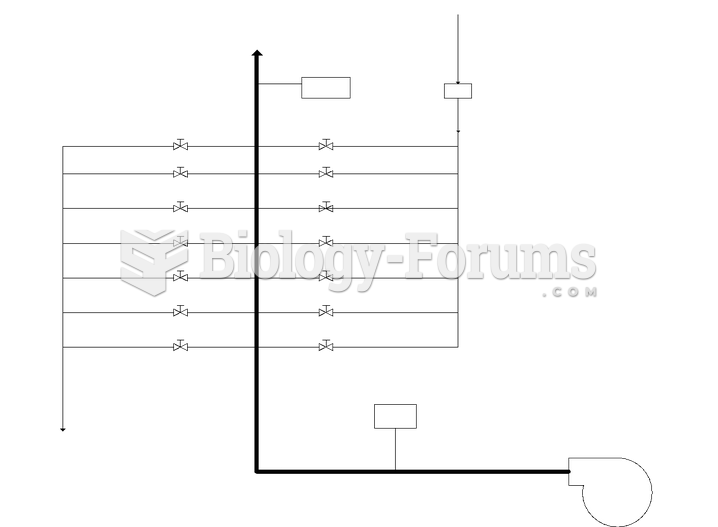 Schematic Diagram of Steam-to-air experiment (CHE415 Unit Operations)