
This topic contains a solution. Click here to go to the answer
|
|
|

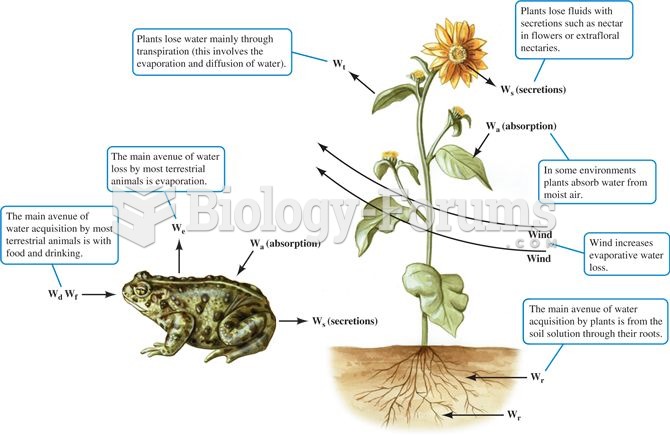 Terrestrial plants and animals can be characterized by analogous pathways for water gain and loss.
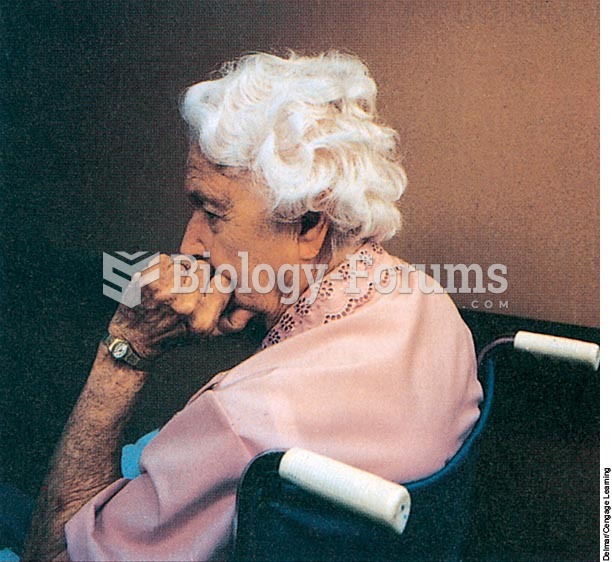 Older adults may grieve intensely over the loss of a person or situation that has been a part of the
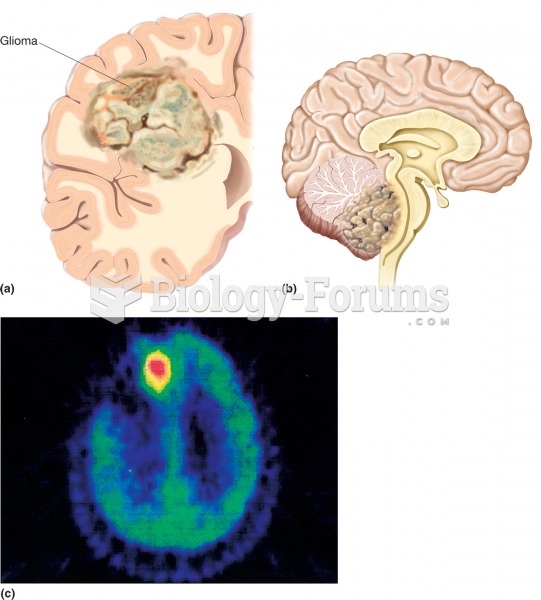 Glioma. (a) Illustration of a large glioma (colored area) within the left cerebral hemisphere in a s
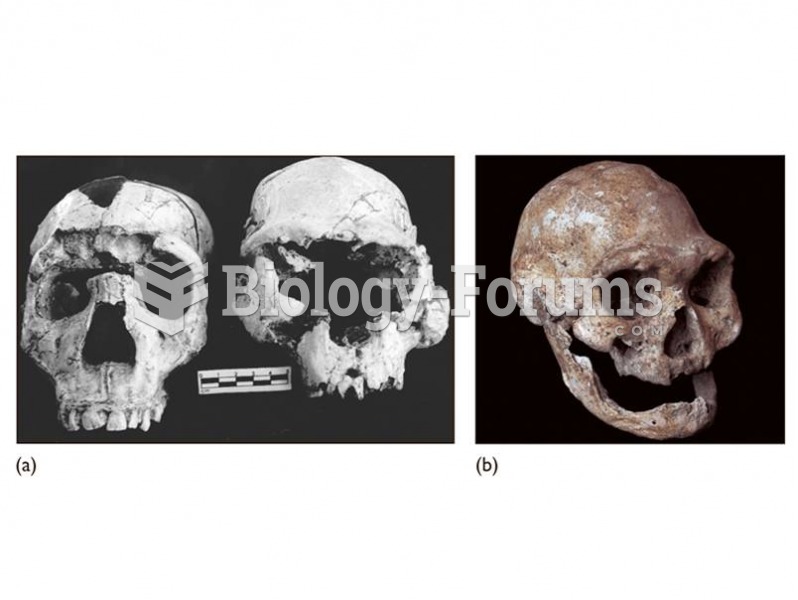 (a) The Dmanisi cranium (right) shows similarities to early African H. erectus including the Narioko
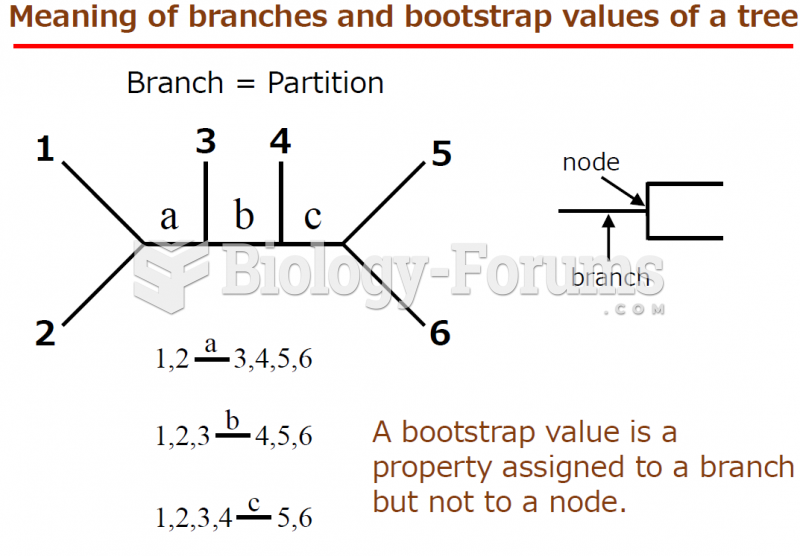 How to calculate the gain and loss gene numbers with low bootstrap of phylogenetic tree?
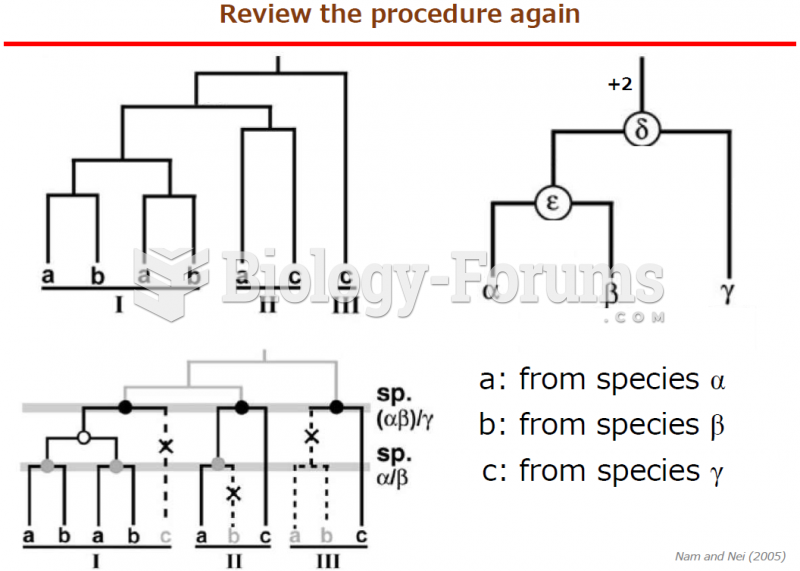 How to calculate the gain and loss gene numbers with low bootstrap of phylogenetic tree?