This topic contains a solution. Click here to go to the answer

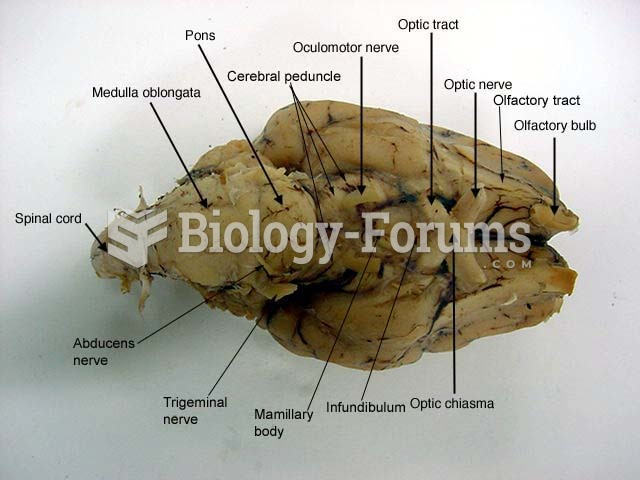
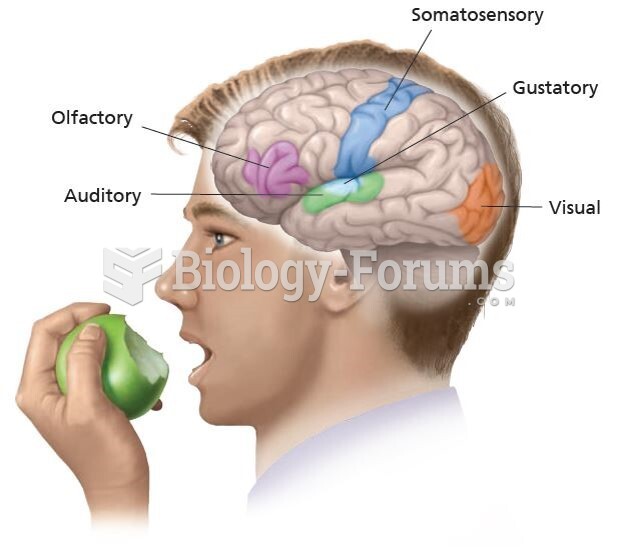
Author Question: The is the outermost part of the brain. It consists of two hemispheres (the right and the left), ... (Read 87 times)

kodithompson

  • Hero Member
  • *****
  • Posts: 566
The is the outermost part of the brain. It consists of two hemispheres (the right and the left), which are connected by the corpus callosum.
 
  ANSWER:

Question 2

The approach compares the brain functioning of healthy older adults with adults displaying various pathological brain disorders.
 
  ANSWER:


Related Topics

Need homework help now?

Ask unlimited questions for free

Ask a Question
Marked as best answer by a Subject Expert

Chelseyj.hasty

  • Sr. Member
  • ****
  • Posts: 319
Answer to Question 1

cerebral cortex

Answer to Question 2

neuropsychological


kodithompson

  • Member
  • Posts: 566
Reply 2 on: Aug 23, 2018
Great answer, keep it coming :)


amandalm

  • Member
  • Posts: 306
Reply 3 on: Yesterday
Excellent


Did you know?

A seasonal flu vaccine is the best way to reduce the chances you will get seasonal influenza and spread it to others.

Did you know?

Acetaminophen (Tylenol) in overdose can seriously damage the liver. It should never be taken by people who use alcohol heavily; it can result in severe liver damage and even a condition requiring a liver transplant.

Did you know?

Sildenafil (Viagra®) has two actions that may be of consequence in patients with heart disease. It can lower the blood pressure, and it can interact with nitrates. It should never be used in patients who are taking nitrates.

Did you know?

A cataract is a clouding of the eyes' natural lens. As we age, some clouding of the lens may occur. The first sign of a cataract is usually blurry vision. Although glasses and other visual aids may at first help a person with cataracts, surgery may become inevitable. Cataract surgery is very successful in restoring vision, and it is the most frequently performed surgery in the United States.

Did you know?

Amoebae are the simplest type of protozoans, and are characterized by a feeding and dividing trophozoite stage that moves by temporary extensions called pseudopodia or false feet.

For a complete list of videos, visit our video library