
This topic contains a solution. Click here to go to the answer
|
|
|

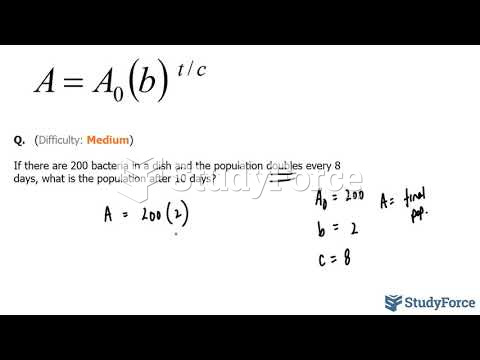 How to solve an exponential growth problem involving bacterial growth (Question 1)
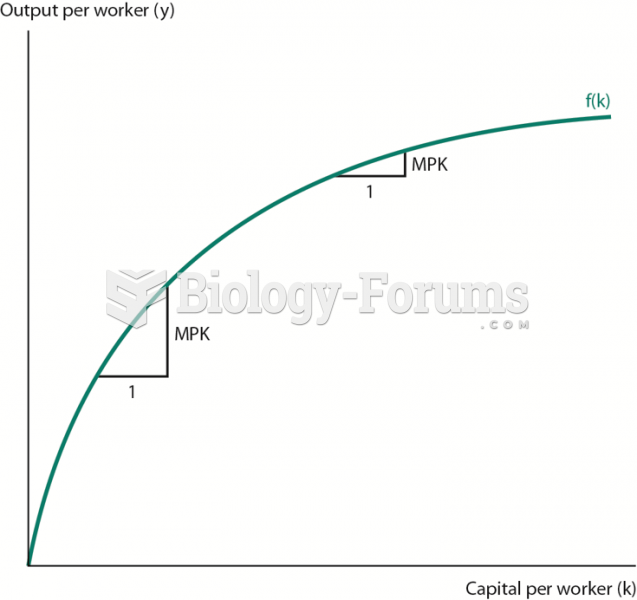 A Production Function with Diminishing Marginal Product of Capital
 Basic Marketing Research: Using Microsoft Excel Data Analysis
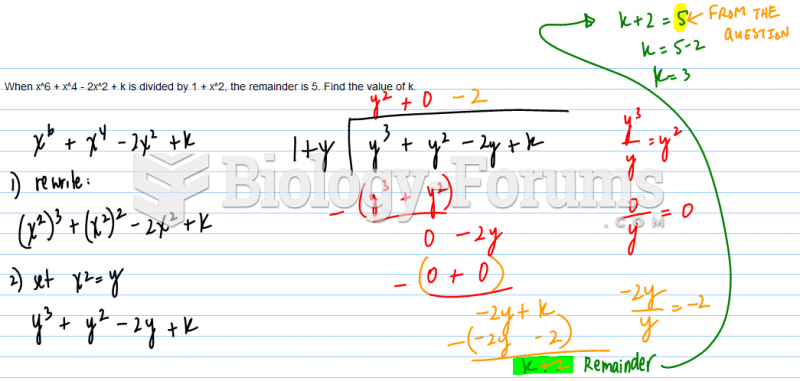 Remainder Question
 Question 37 Part 2
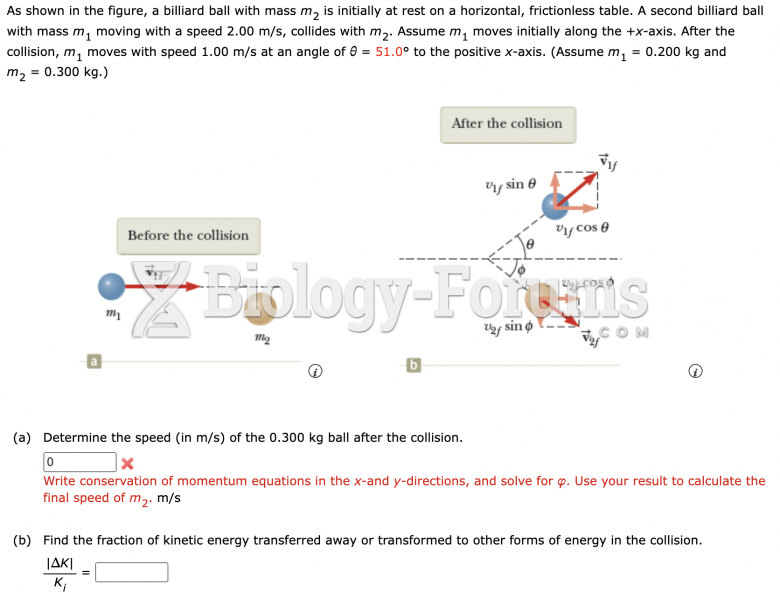 a billiard ball physics question