
This topic contains a solution. Click here to go to the answer
|
|
|

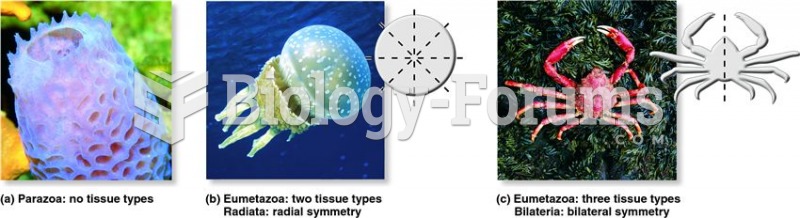 Early divisions in the animal phylogeny.
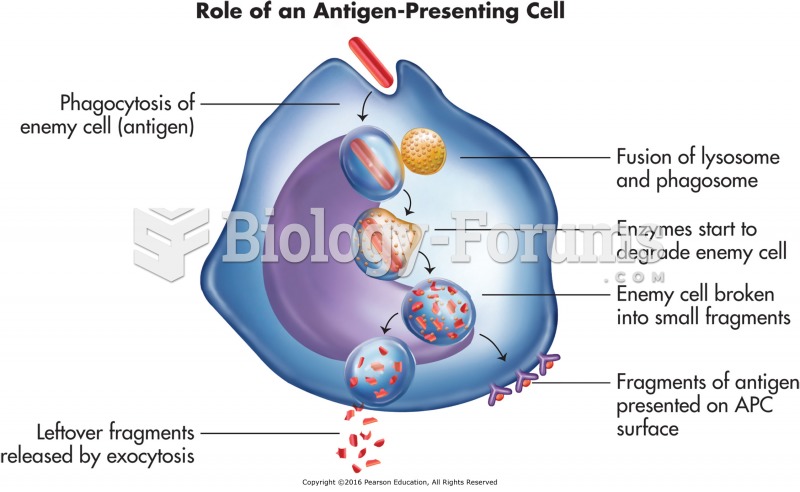 The role of antigen-presenting cell (APC).
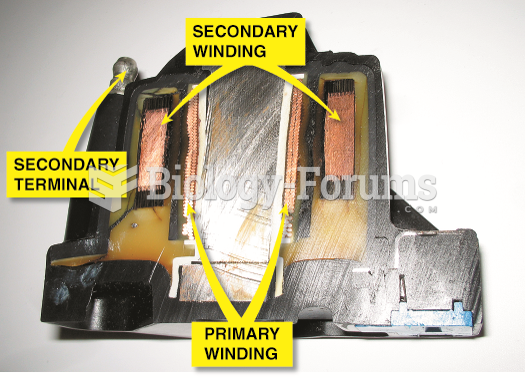 The primary windings are inside the secondary windings on this General Motors coil.
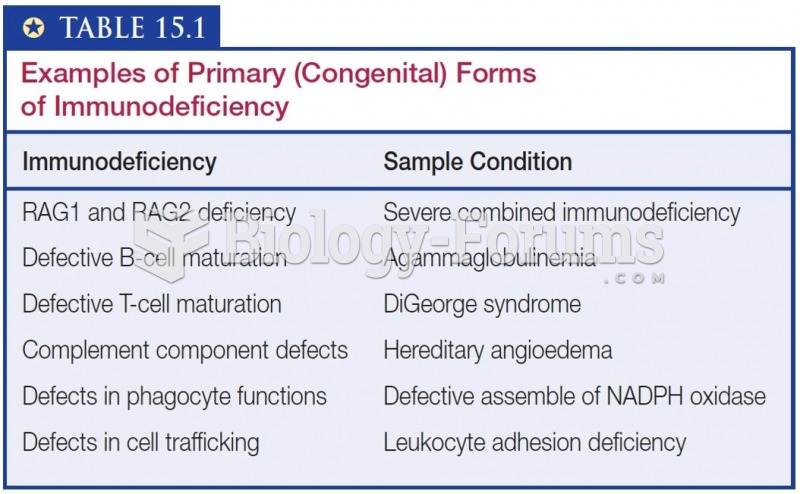 Examples of Primary (Congenital) Forms of Immunodeficiency
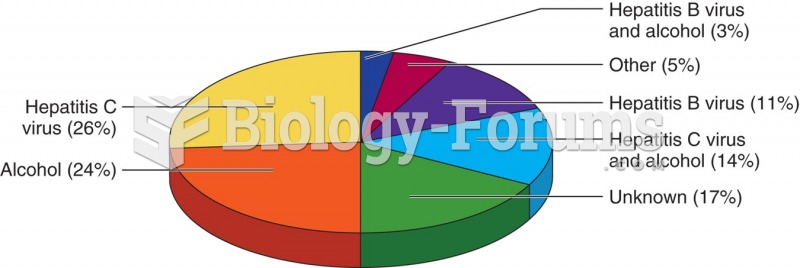 Primary causes of chronic liver disease in the United States.
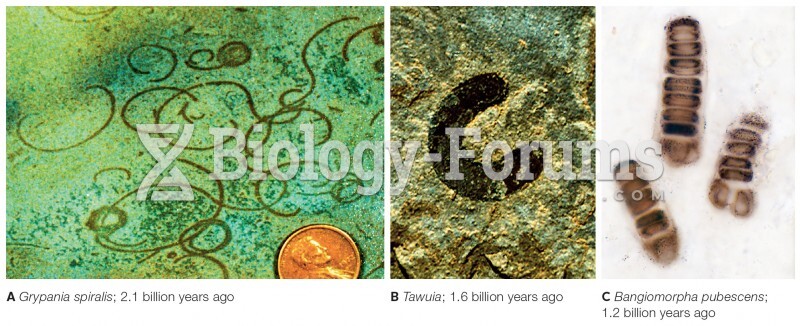 Fossils of Some Early Eukaryotes