
This topic contains a solution. Click here to go to the answer
|
|
|

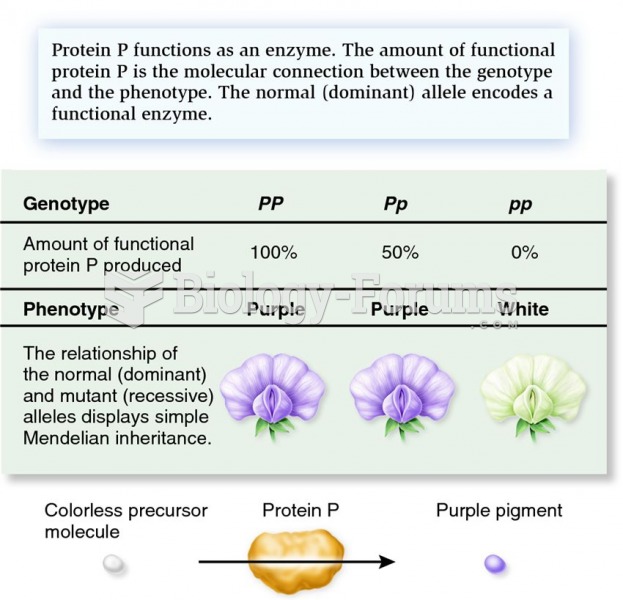 How genes produce proteins that determine traits in a simple dominant-recessive relationship.
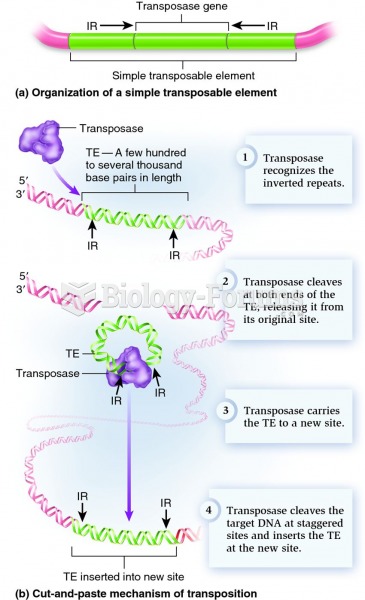 Simple transposable elements and their mechanism of transposition
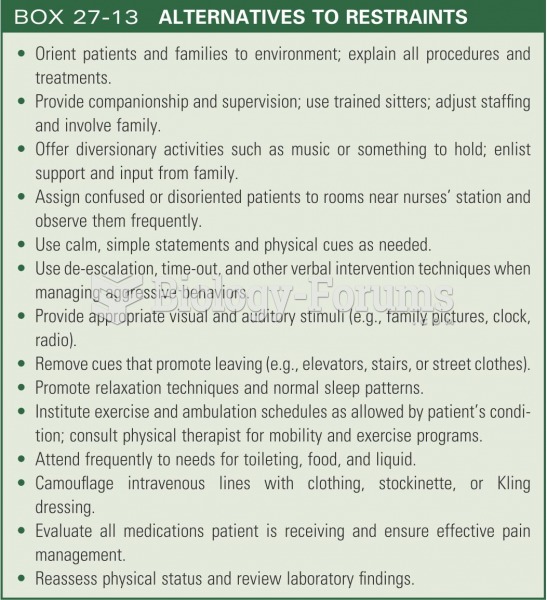 Alternatives to restraints
 Storage devices (A) External hard-disk drive (B) USB drive (C) Memory card (D) Optical disc (DVD) ...
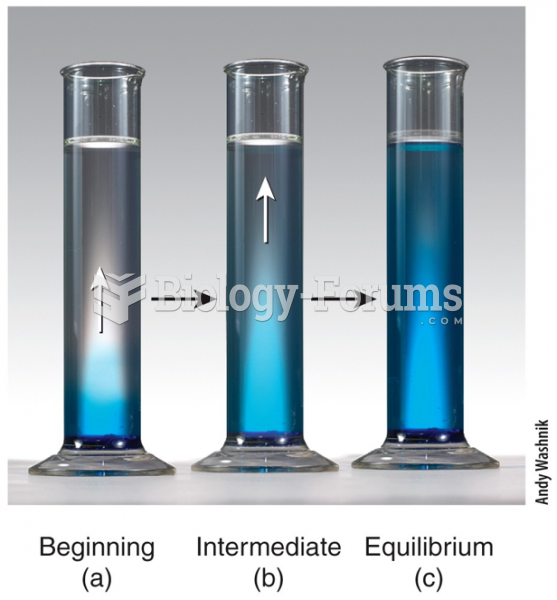 Simple Diffusion
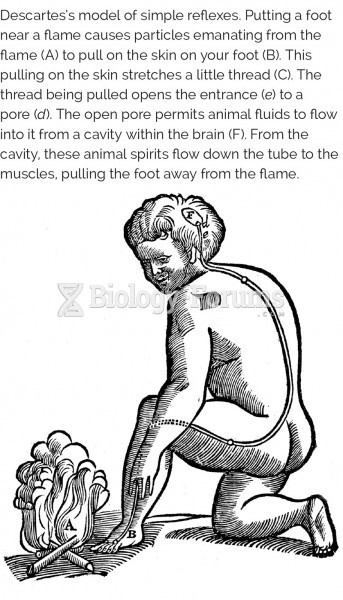 Descartes's model of simple reflexes