
This topic contains a solution. Click here to go to the answer
|
|
|

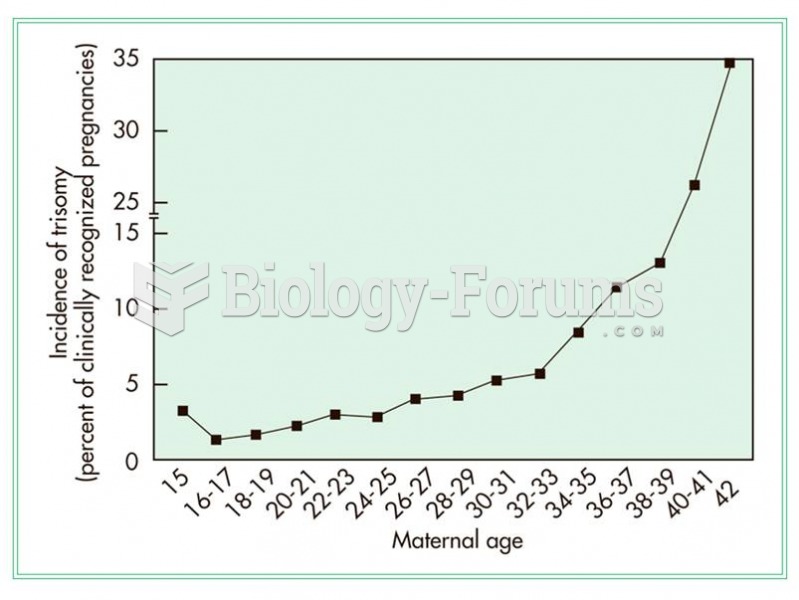 Increased risk of trisomy with maternal age.
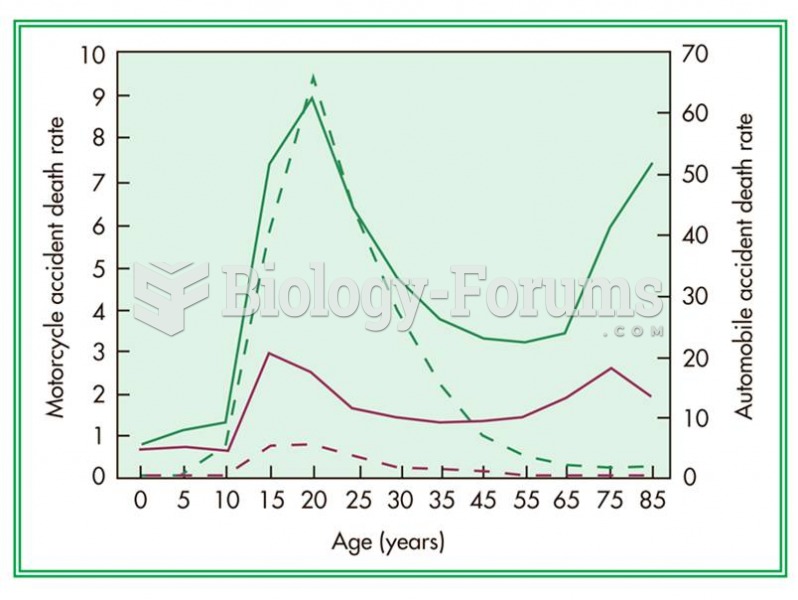 Risk of death from motorcycle accidents (dashed lines) and passenger accidents (solid lines) per 100
 This painting depicts New Orleans in 1803, when the city was acquired—along with much of the modern
 Improving your flexibility can help you reduce muscle soreness and lower your risk of injury
 Income per Capita versus Total Fertility Rate
 Annotation of a DNA sequence containing part of the human beta-globin gene