
|
|
|

Did you know?
Methicillin-resistant Staphylococcus aureus or MRSA was discovered in 1961 in the United Kingdom. It if often referred to as a superbug. MRSA infections cause more deaths in the United States every year than AIDS.

 Scoliometer and Its Use, Equipment
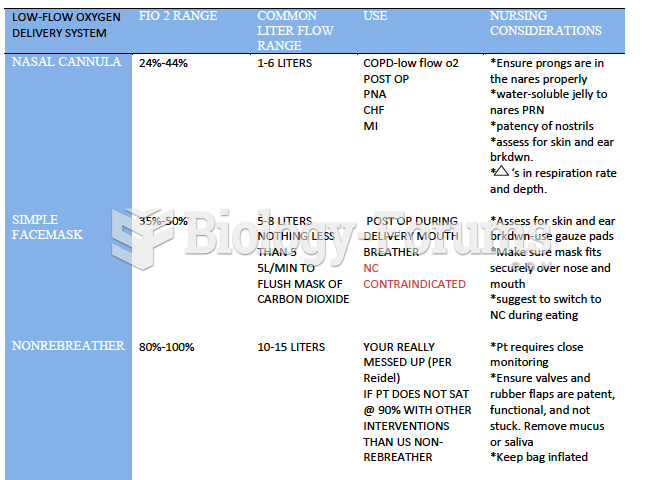 Oxygen Equipment 2
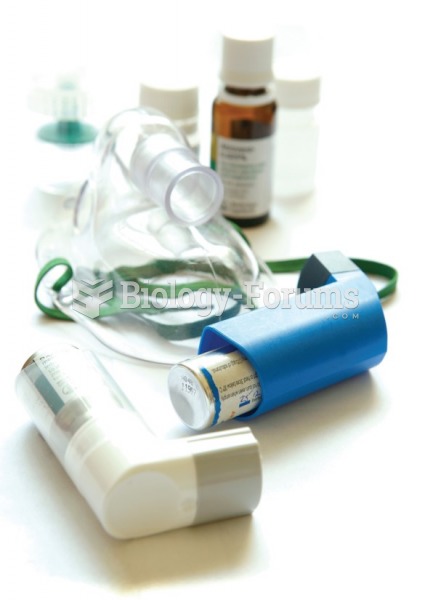 Equipment used for administering inhalation medications.
 Chemicals can adversely affect personal protective equipment (PPE) in three ways: They can permeate ...
 A company that sells sweatshirts finds that the profit can be modelled by P(s)= ...