You are a health care professional examining an elderly patient. He is currently taking medication for hypertension, arthritis, and hypercholesterolemi a.
The man is in the same physical condition as
last time and seems to just need refills for his prescriptions; however,
you smell alcohol on his breath. What do you do?
A. Refer him to a chemical dependency professional for an
assessment.
B. Write the prescriptions for the refills and see your next patient.
C. Ask him about any changes in his use of alcohol since his last
visit.
D. Give him a breath analyzer test.
Question 2
An 80 year old woman has been drinking one alcoholic beverage every day for the last thirty years. She ensures she never drinks more, but she always has one. Why?
A. She has alcoholism, because she drinks every day.
B. She has a Type I AUD and needs help abstaining.
C. She is trying to lower her risk for ischemic stroke, cardiovascular
disease, and heart failure.
D. She is trying to receive the benefits of research showing that one
drink per day for women is beneficial for cognitive performance.


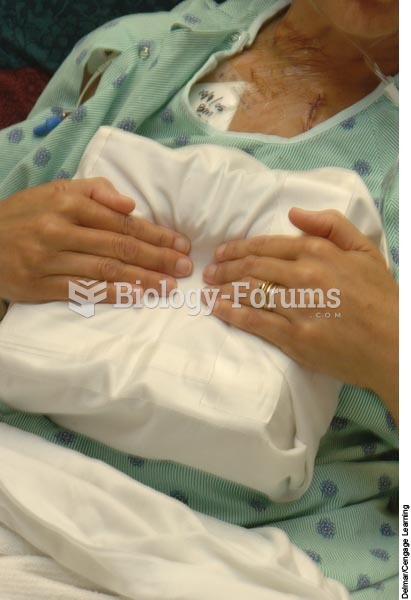 The postoperative client supports an incision with a folded pillow when taking a deep breath and cou
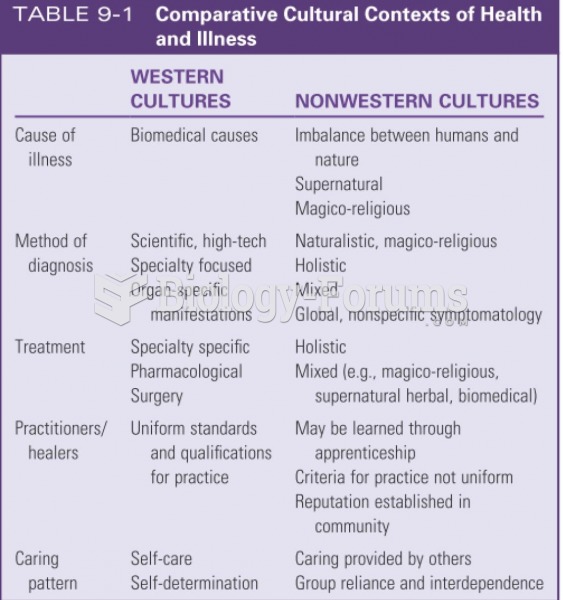 Survivorship Care Plan
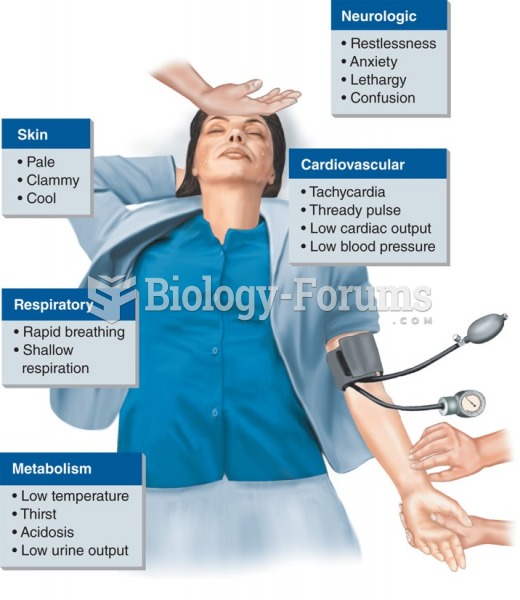 Symptoms of a patient in shock.
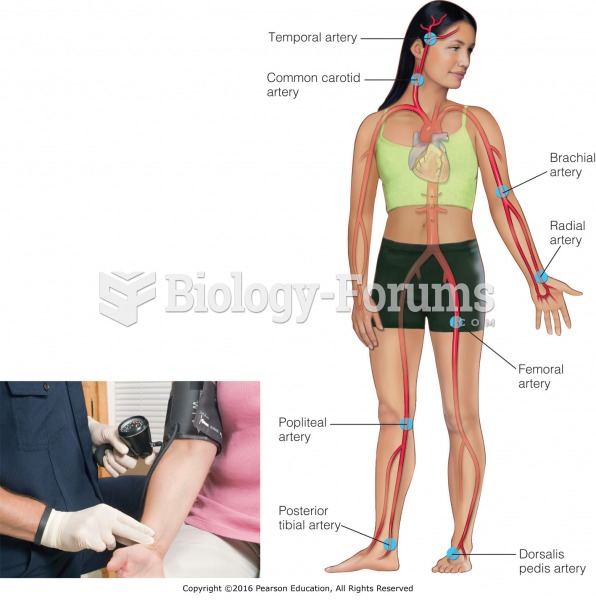 A health care professional taking a radial pulse and common pulse points.
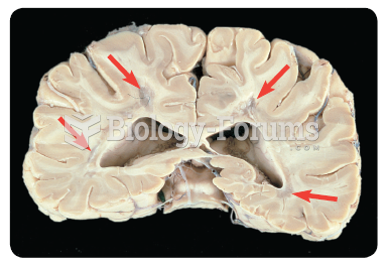 Areas of sclerosis (see arrows) in the white matter of a patient with MS.
 Paramedic Care: Principles & Practice, Volume 1, 5th Edition