Answer to Question 1
2
Rationale 1: The doula will not be involved with fetal monitoring.
Rationale 2: A doula is a trained lay birth companion, and focuses on helping the mother to relax and increase her comfort.
Rationale 3: The doula does not do labor assessments.
Rationale 4: A doula does not do vaginal exams.
Answer to Question 2
2
Rationale 1: Contacting the supervisor is required when an abnormal situation is present. A multip requesting an epidural at 5 cm is not abnormal.
Rationale 2: Average cervical change among primips in the active phase of the first stage of labor is 1.2 cm/hour; thus, this patient's lack of cervical change is unexpected, and should be reported to the supervisor.
Rationale 3: Nausea and vomiting are common during the transitional phase of the first stage of labor. Contacting the supervisor is required only when an abnormal situation is present.
Rationale 4: Patients in the transitional phase of the first stage of labor often fear being left alone; this is an expected finding. Contacting the supervisor is required only when an abnormal situation is present.


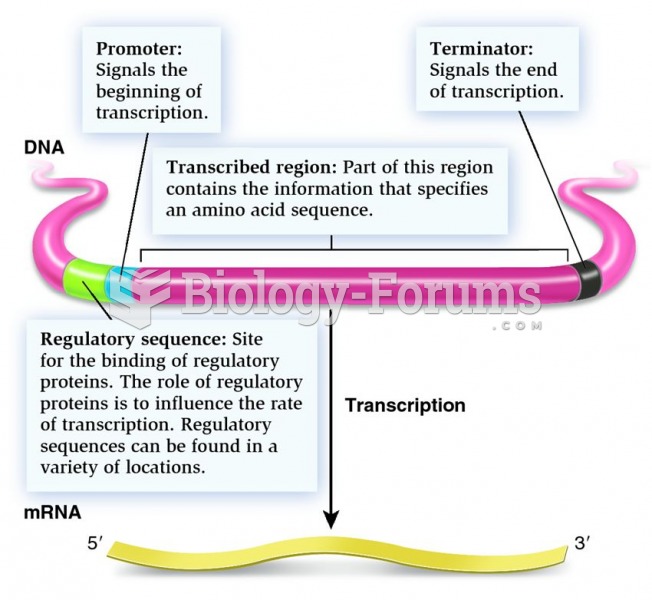 A structural gene as a transcriptional unit
 Documenting the health history is a crucial step in providing patient care
 Patient health history form.
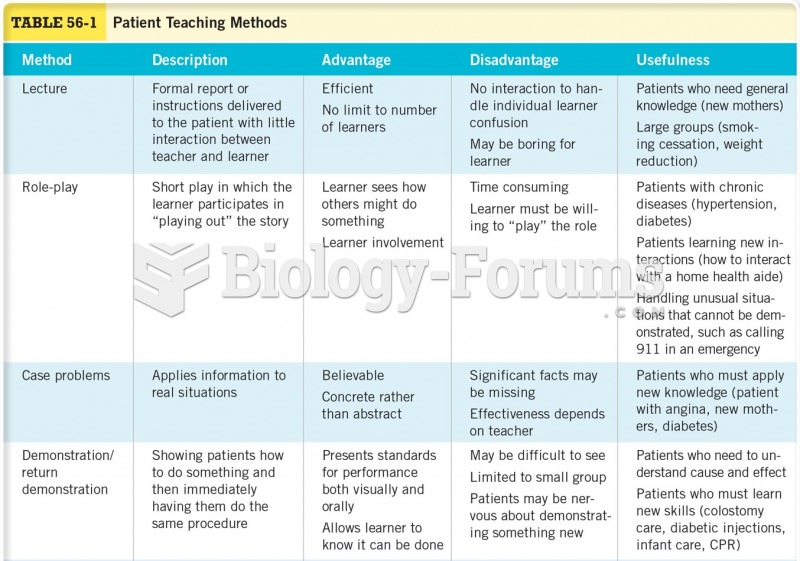 Patient Teaching Methods
 What “race” are these two Brazilians? Is the child’s “race” different from her mother’s ...
 Long-term relationships, especially those who are married, having a child