
|
|
|

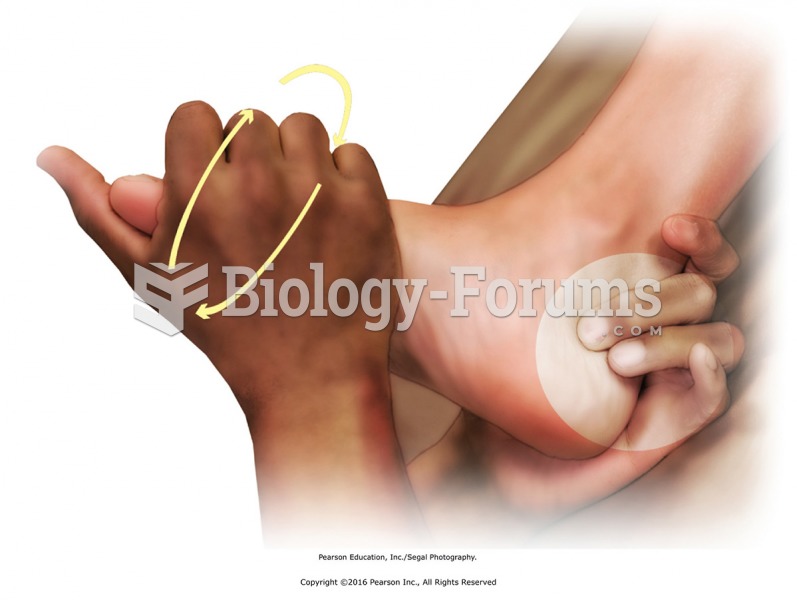
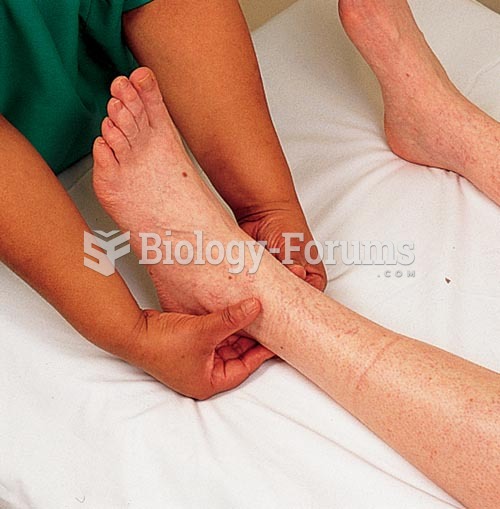 Palpation of the Ankle
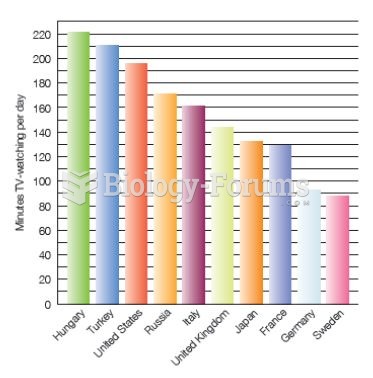 International Television Viewing Rates in Childhood In most developed countries, children watch TV
 Sam Houston—and his horse—earned this heroic tribute. At the Battle of San Jacinto, a musket ball sh
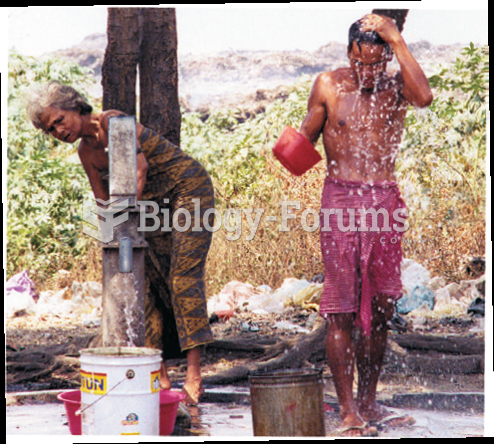 Working and Living and Playing in the City Dump of Phnom Penh, Cambodia
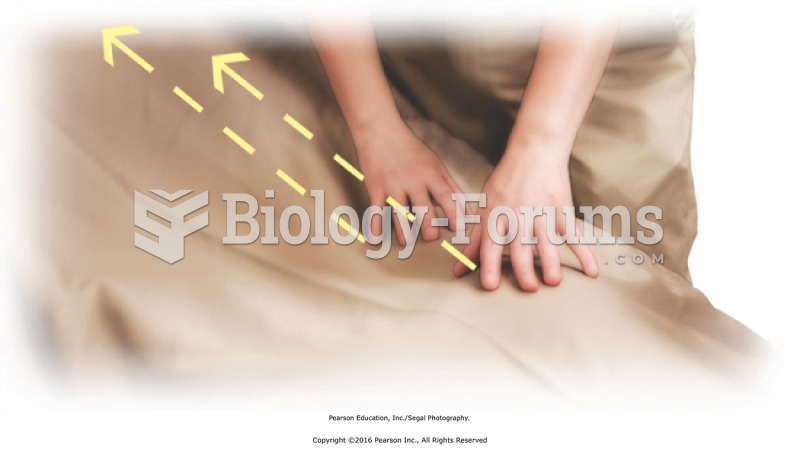 Finishing techniques to entire leg. Start with basic effleurage from ankle to hip. Redrape the leg. ...
 Medial Pelvis/Hip. Press-and-flex medial ankle by positioning fingers as in fingerwalking the ankle. ...