
This topic contains a solution. Click here to go to the answer
|
|
|

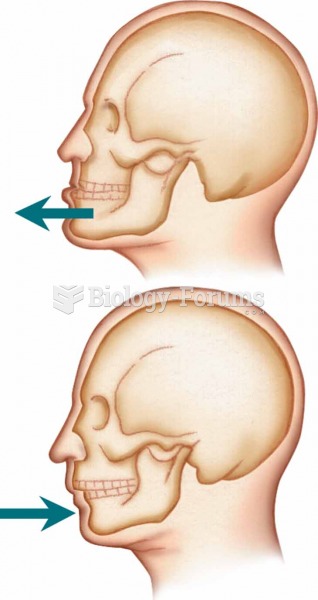 Protraction and Retraction Protraction–Moving a body part forward. Retraction–Moving a body part bac
 Patient health history form.
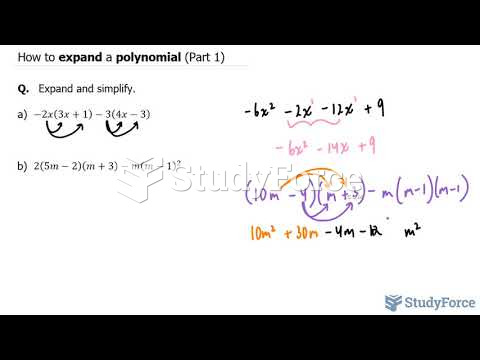 How to expand a polynomial (Part 1)
 Benefits and Drawbacks of Aquaculture "فوائد وعيوب تربية الأحياء"
 The Benefits of Physical Fitness (1 of 2)
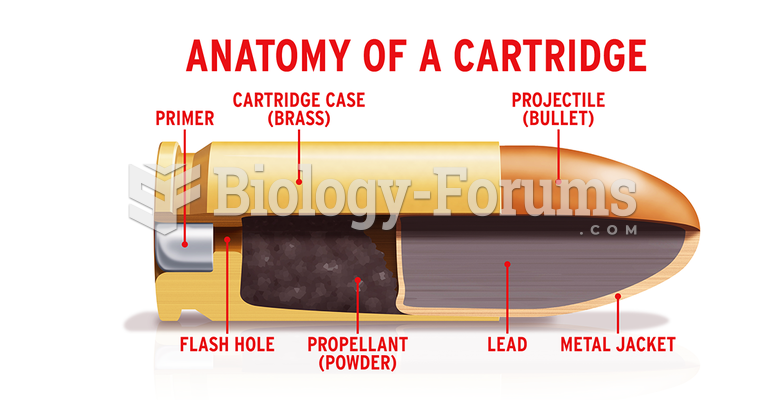 This is how a bullet works "anatomy of a bullet"