On which DSM-IV-TR axis should a nurse expect bipolar illness: manic phase to be coded?
A) Axis I
B) Axis II
C) Axis III
D) Axis IV
E) Axis V
Question 2
During a psychoeducational group on stress management, a client asks about meditation. Which nursing statement is most accurate regarding meditation?
A) It is a procedure whereby various muscle groups are contracted and relaxed, bringing about an overall sense of relaxation.
B) The procedure is one whereby you use your imagination to reduce tension in the body.
C) The purpose is to become aware of one's bodily processes, such as blood pressure and pulse, and to bring them under conscious control.
D) The goal is to gain mastery and control over one's attention, bringing about a special state of consciousness.


 The nurse is using Standard Precautions to draw blood.
 Thick filaments are bipolar structures created by the association of many myosin molecules
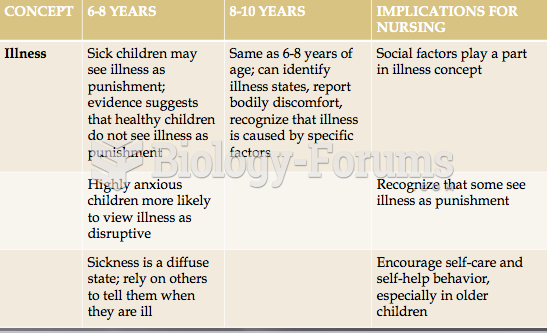 Concept of Illness by Children
 Common skin signs are often evidence of an illness or disorder. A macule is a discolored spot on the ...
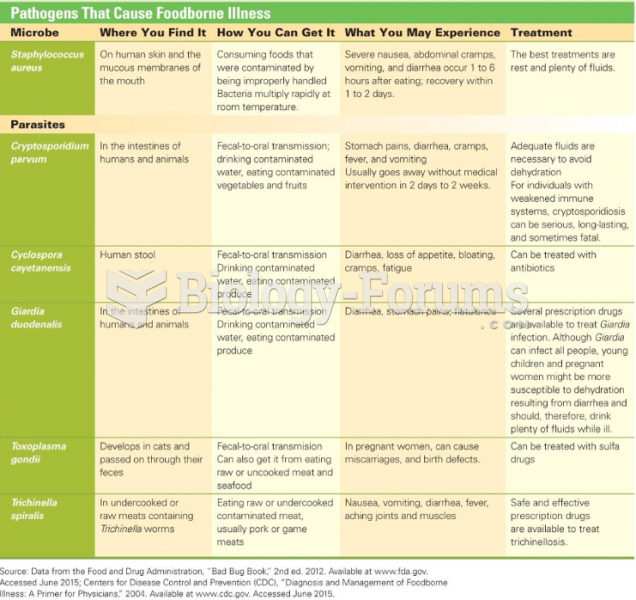 Pathogens That Cause Foodborne Illness (5 of 5)
 Active Transport in Vesicles: Bulk Phase Endocytosis (Pinocytosis)