
This topic contains a solution. Click here to go to the answer
|
|
|

 (a) Savanna baboons live in female-philopatric groups, among which males migrate. (b) Chimpanzees li
 Frequent dining on fast food, which tends to be higher in fat and carbohydrates, may be convenient ...
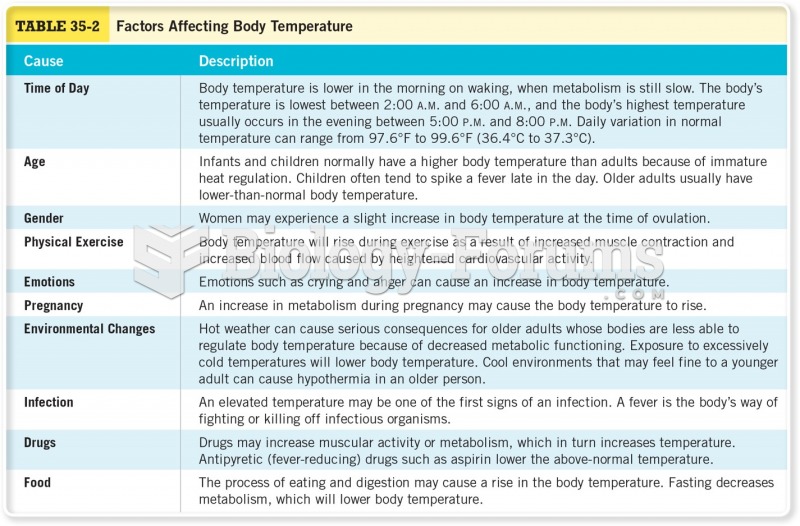 Factors Affecting Body Temperature
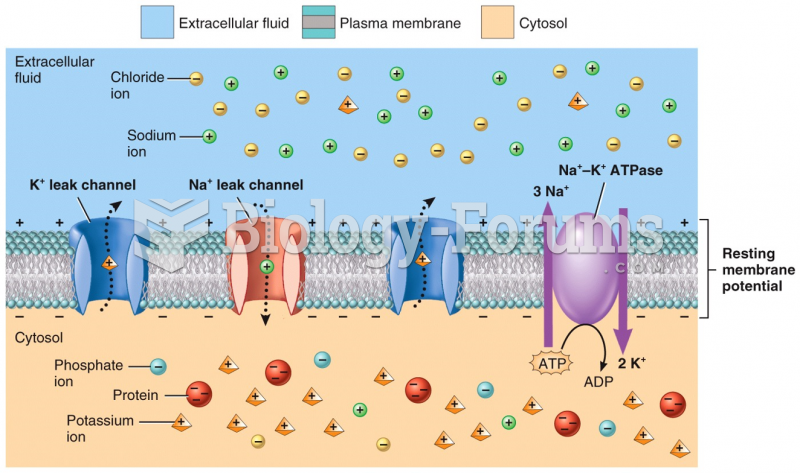 Factors Contributing to Resting Membrane Potential
 Solve the following optimization problem
 Male and female Lions (Panthera leo)