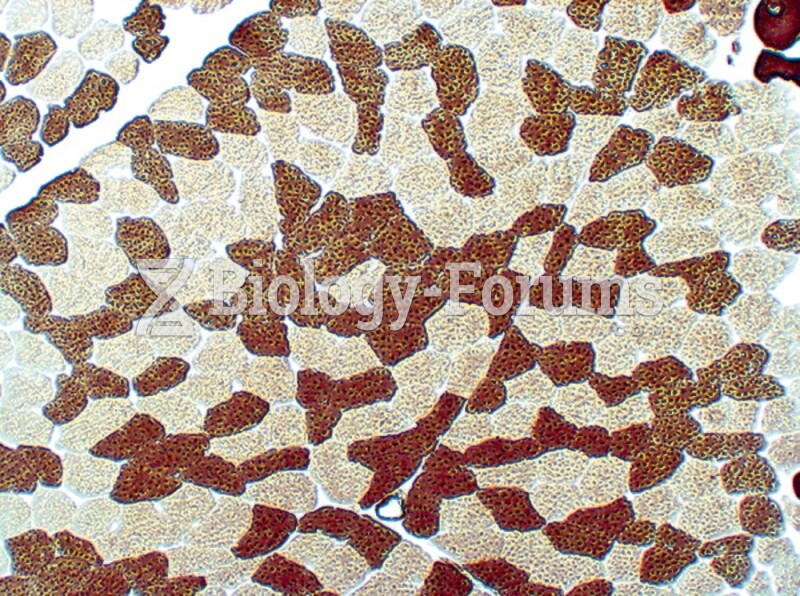
Author Question: The primary function of the Krebs cycle is to ____. A) degrade glucose or glycogen to lactate and ... (Read 134 times)

cookcarl

  • Hero Member
  • *****
  • Posts: 539
The primary function of the Krebs cycle is to ____.
 A) degrade glucose or glycogen to lactate and produce ATP
  B) oxidize carbohydrates, fats, and proteins and ready them for ATP production
  C) generate large amounts of ATP and related compounds
  D) produce carbon dioxide and water for use in other energy-yielding systems

Question 2

When exercise intensity is higher, oxygen consumption stays elevated after exercise for a longer period of time.
  Indicate whether the statement is true or false


brittiany.barnes

  • Sr. Member
  • ****
  • Posts: 321
Answer to Question 1

B

Answer to Question 2

T


Related Topics

Need homework help now?

Ask unlimited questions for free

Ask a Question

cookcarl

  • Hero Member
  • *****
  • Posts: 539
Both answers were spot on, thank you once again


Did you know?

Atropine, along with scopolamine and hyoscyamine, is found in the Datura stramonium plant, which gives hallucinogenic effects and is also known as locoweed.

Did you know?

Elderly adults are at greatest risk of stroke and myocardial infarction and have the most to gain from prophylaxis. Patients ages 60 to 80 years with blood pressures above 160/90 mm Hg should benefit from antihypertensive treatment.

Did you know?

Amphetamine poisoning can cause intravascular coagulation, circulatory collapse, rhabdomyolysis, ischemic colitis, acute psychosis, hyperthermia, respiratory distress syndrome, and pericarditis.

Did you know?

Signs and symptoms of a drug overdose include losing consciousness, fever or sweating, breathing problems, abnormal pulse, and changes in skin color.

Did you know?

Dogs have been used in studies to detect various cancers in human subjects. They have been trained to sniff breath samples from humans that were collected by having them breathe into special tubes. These people included 55 lung cancer patients, 31 breast cancer patients, and 83 cancer-free patients. The dogs detected 54 of the 55 lung cancer patients as having cancer, detected 28 of the 31 breast cancer patients, and gave only three false-positive results (detecting cancer in people who didn't have it).

For a complete list of videos, visit our video library